
What Is a 3D Printer and What Does It Do in Mold & Hardware Manufacturing
Author: SZTC
2026-05-22


Samuel Song Your service representative
Specializing in zinc-aluminum-magnesium alloy die-casting processing, CNC milling, CNC turning, 3D printing, injection molding and sheet metal processing. Manufacturing services.
-----------------------------------------------------------------------------------------------------------------------------------------------------------------------------------------------------------------------------------------------------------------------------------------------------------------------------------------------
For hardware processing and plastic mold production, rapid prototyping has become a core competitive advantage. Many new industry practitioners frequently ask what is a 3D printer and what does it do to improve their sampling efficiency. Understanding this equipment’s definition and core functions helps factories optimize product development and reduce manufacturing risks.
1. Basic Introduction: What Is a 3D Printer
To fully grasp industrial prototyping technology, it is essential to clarify what is a 3D printer and what does it do.
1.1 Definition of Industrial 3D Printers
A 3D printer is a professional additive manufacturing device that turns digital CAD models into physical parts. Different from traditional subtractive machining, it builds objects by stacking materials layer by layer, supporting high-precision and customized production.
1.2 Main Industrial Types
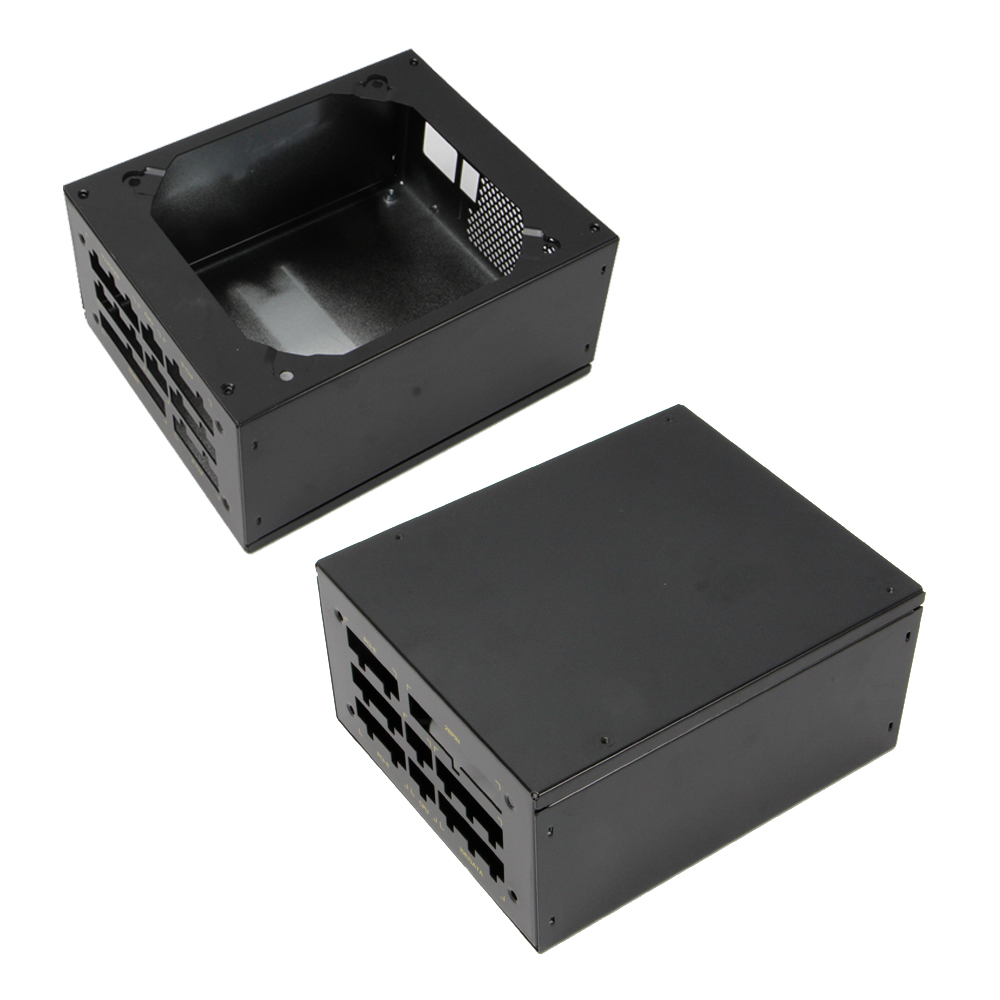
Common industrial models include resin 3D printers for plastic mold samples and metal 3D printers for hardware parts. Both are specially optimized for small-batch trial production and structural verification.
2. Core Functions: What Does a 3D Printer Do
The practical industrial functions best answer what is a 3D printer and what does it do for mold and hardware factories.
2.1 Fast Plastic Mold Sampling
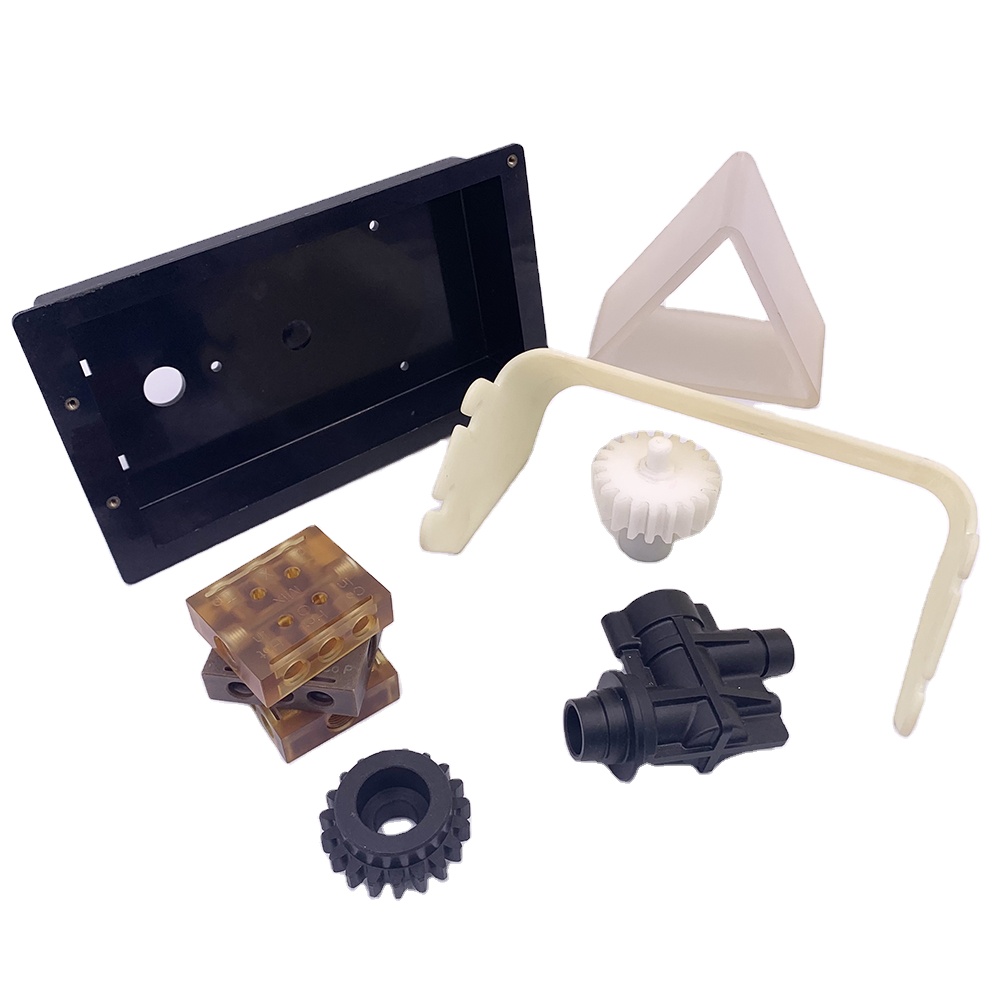
3D printers produce high-precision plastic prototypes and mold inserts within hours. Manufacturers can verify product appearance, internal structures and assembly performance without opening formal steel molds, greatly saving time and cost.
2.2 Custom Hardware Prototyping
This equipment manufactures complex hardware jigs, fixtures and special-shaped mechanical parts. It handles intricate structures that traditional CNC machining struggles to produce, meeting personalized hardware sampling demands.
3. Long-Term Industrial Value
After learning what is a 3D printer and what does it do, manufacturers can leverage its advantages for sustainable production optimization.
3.1 Reduce Mold Modification Costs
Printed trial samples help engineers detect structural flaws in the early design stage. It avoids repeated mold revisions and effectively lowers the overall R&D cost of plastic mold projects.
3.2 Accelerate Product Iteration
With ultra-fast sampling cycles, hardware and mold enterprises can quickly test new designs, adjust product details and launch updated products faster to seize market opportunities.
In conclusion, what is a 3D printer and what does it do defines a flexible, efficient and low-risk manufacturing tool. It has become standard equipment for rapid sampling and technical iteration in modern hardware and plastic mold industries.

What Is the Best 3D Printing Company for Mold and Hardware Fast Sampling
What Is a 3D Printer and How Does It Work for Industrial Sampling
Related Article

Fast sampling is the fastest way to win business in the hardware machining and plastic mold industries. Customers want a working sample in days, and a 3D printer delivers it, but only when you know how to print in 3d correctly.
how to print in 3d

Fast sampling is the fastest way to win business in the hardware machining and plastic mold industries. Customers often send an STL file and expect a working sample in days.
how to print an stl file

