
What is a 3D Printer? The Fast Sampling Solution for Hardware Processing & Plastic Mold Industries
Author: SZTC
2026-03-20


Samuel Song Your service representative
Specializing in zinc-aluminum-magnesium alloy die-casting processing, CNC milling, CNC turning, 3D printing, injection molding and sheet metal processing. Manufacturing services.
-----------------------------------------------------------------------------------------------------------------------------------------------------------------------------------------------------------------------------------------------------------------------------------------------------------------------------------------------
If you work in hardware processing or plastic mold manufacturing, you’ve likely heard of 3D printers, and you’ve almost certainly faced the frustration of waiting days or even weeks for a single prototype sample. Slow, costly traditional prototyping has long been the biggest bottleneck for these two tooling-heavy industries, holding up design verification, client approvals, and product launch schedules. But what is a 3D Printer exactly, and why has it become an indispensable piece of equipment for fast sample production in hardware and mold manufacturing? This blog will clearly explain the full definition, core characteristics, working principle, and industry-specific value of a 3D Printer, with a consistent focus on answering the core question: What is a 3D Printer, and how does it solve real sampling pain points for these two sectors.
1.1 The Fundamental Definition of a 3D Printer
A 3D Printer is an automated additive manufacturing machine that converts digital 3D design files into solid, tangible three-dimensional objects by building them layer by layer. This is the opposite of traditional subtractive manufacturing methods used in hardware and mold industries, such as CNC milling, metal cutting, and mold machining, which shape parts by cutting away excess material from a solid block. Unlike CNC machines, injection molding equipment, or metalworking tools that require custom pre-made tooling, fixtures, or steel molds to produce parts, a 3D Printer directly reads CAD digital models and creates physical samples or functional parts without any dedicated production tooling.
For hardware processing and plastic mold industries, this is the defining feature that answers what a 3D Printer is: it is a professional rapid prototyping tool that skips the lengthy and high-cost setup of traditional manufacturing, turning digital design drawings into testable physical samples in just hours. It is not just a general industrial machine, but a targeted solution to the long-standing slow sampling problem that has troubled hardware and mold manufacturers for decades.
1.2 Key Features That Define a 3D Printer
To fully understand what a 3D Printer is, it is vital to distinguish it from traditional manufacturing equipment through its industry-focused core features, all of which are tailored to the fast sampling needs of hardware and plastic mold sectors:
Additive Layer-by-Layer Construction: The printer deposits, cures, or fuses raw materials in ultra-thin, uniform layers (typically 0.1mm–0.5mm thick), strictly following the digital model’s dimensions. This unique build method allows it to produce complex structures—like intricate plastic mold cavities with fine details or custom hardware brackets with inner hollow designs—that traditional machining tools struggle to make efficiently or at all.
No Tooling Needed for Prototyping: There is no need to manufacture steel molds, design custom fixtures, or program long and complex CNC machining paths. Even for design revisions, only an updated digital CAD file is required, enabling quick and low-cost design iterations without extra delays or expenses, a huge advantage for hardware and mold teams that need to adjust samples frequently.
Industry-Specific Material Compatibility: Industrial-grade 3D Printers support materials perfectly matched to the two industries: metal powders (aluminum, stainless steel, and tool steel) for high-strength hardware prototypes, and high-temperature resistant resins, engineering plastics for mold inserts, trial cavities, and small-batch mold samples that can withstand preliminary testing.
Fast and Unmanned Operation: Once the parameters are set, the 3D Printer runs automatically without continuous manual operation. It can produce small to medium-sized samples in 4–24 hours, compared to 3–15 days for traditional CNC hardware prototypes and 2–4 weeks for custom plastic mold samples, drastically shortening sampling cycles.
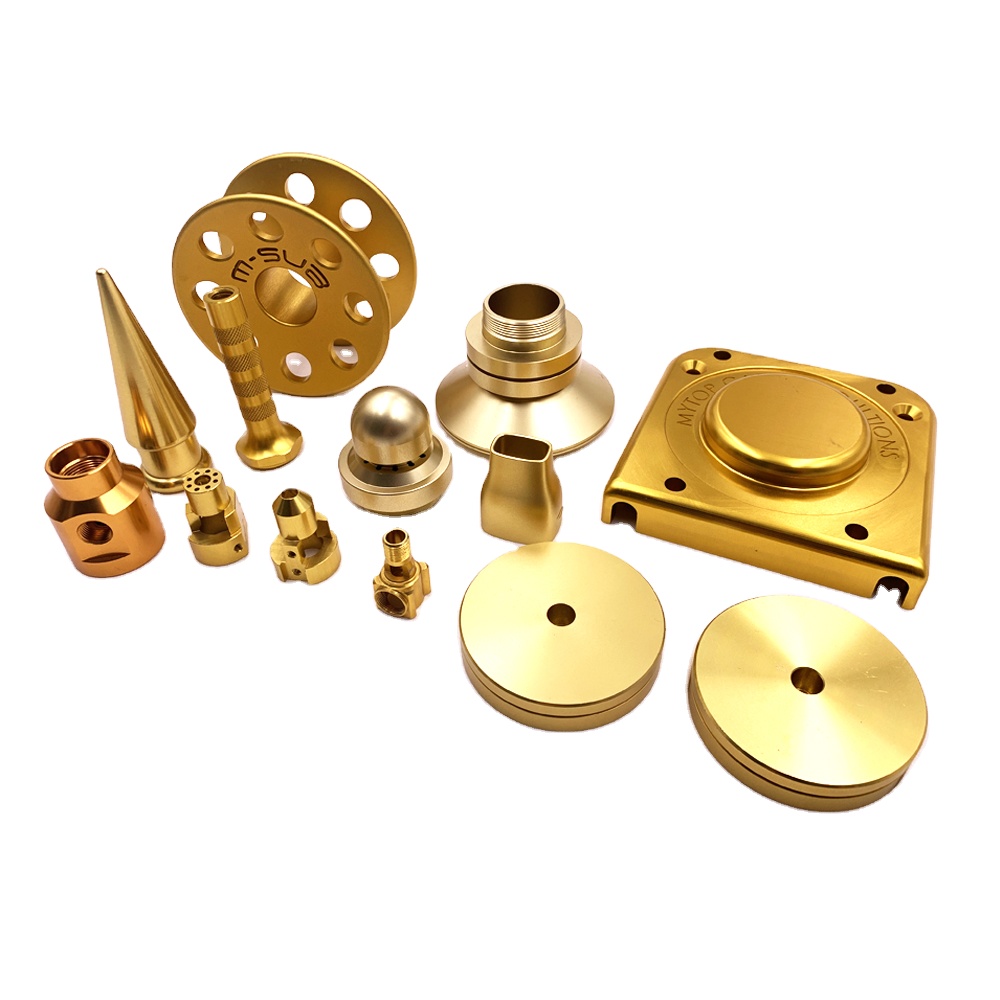
To fully grasp what a 3D Printer is, understanding its simple and efficient workflow is essential. The entire process is designed to fit the daily fast sampling needs of hardware processing and plastic mold factories, with no complicated operation requirements or highly skilled labor, making it easy to integrate into existing production workflows.
2.1 Digital Design Import: The Starting Point of Printing
The printing process starts with a standard 3D digital model, which is already a core part of daily work for hardware and mold designers. For hardware teams, this file is a CAD design for metal parts like fasteners, industrial brackets, or connecting components; for plastic mold teams, it is a design for a mold cavity, insert, or full trial mold. This digital file is imported directly into the 3D Printer’s control system, with no extra format conversion or specialized tooling design needed.
2.2 Automatic Slicing and Parameter Setting
The printer’s built-in professional slicing software automatically divides the complete 3D model into thousands of thin horizontal layers, and matches optimized printing parameters including layer thickness, printing speed, and material output rate. For industrial fast sampling, users can flexibly adjust settings: prioritize speed for initial preliminary test samples, or boost precision for functional prototypes, perfectly balancing speed and quality for different project requirements in hardware and mold production.
2.3 Automatic Layer-by-Layer Printing
The 3D printer then operates autonomously to build the part. For plastic mold samples, resin 3D printers use UV light to cure liquid resin layer by layer, while FDM printers extrude engineering plastic filament; for metal hardware prototypes, industrial metal 3D printers use lasers to fuse metal powder into solid, durable parts. The entire process runs without manual intervention, saving labor time for factory teams.
2.4 Simple Post-Processing & Sample Ready
Once printing finishes, the sample only needs minimal post-processing: removing thin support structures, light sanding for smooth surfaces, or basic heat treatment for metal hardware parts. Unlike traditional machined parts that need extensive finishing, 3D printed samples are ready for fit testing, client presentation or mold trial within 1–2 hours, completing the fast sampling cycle.
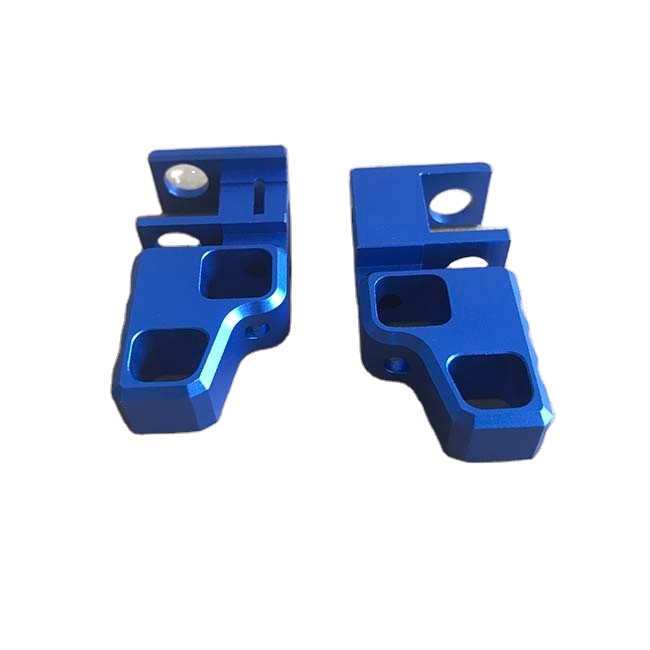
Beyond its technical definition, a 3D printer is a tailored efficiency tool for hardware processing and plastic mold manufacturing, built to solve the sector’s most pressing sampling pain points. It redefines “fast turnaround” and eliminates the risks and costs of traditional prototyping.
3.1 For Hardware Processing: Fast Metal Prototype Maker
Traditional hardware prototyping relies on CNC machining solid metal blocks, which requires long programming times, costly tool changes and days of production. A design tweak means restarting the entire process, wasting time and materials. A 3D printer cuts through this bottleneck, printing fully functional metal hardware samples in hours, letting engineers test dimensional accuracy, fit and durability immediately, and iterate designs in a single day.
3.2 For Plastic Mold Manufacturing: Low-Cost Trial Mold Tool
Plastic mold production is high-stakes: a single steel production mold takes weeks to make and costs thousands of dollars, and a small design flaw means costly retooling. A 3D printer solves this by printing affordable trial molds, mold cores and cavity samples in a day, allowing mold makers to test draft angles, part release and cooling efficiency before investing in formal steel molds. This slashes rework costs and cuts client sample lead times from weeks to days.
3.3 The Core Value: A Must-Have for Fast Sampling
To wrap up the full answer to what is a 3D printer: it is an automated additive manufacturing machine that turns digital designs into physical parts quickly, without traditional tooling, and is purpose-built to deliver fast, low-cost, high-precision prototypes. For hardware and plastic mold industries, it is no longer an optional piece of equipment, but a core workhorse that speeds up product development, reduces costs and keeps businesses competitive in a market that demands quick turnarounds.
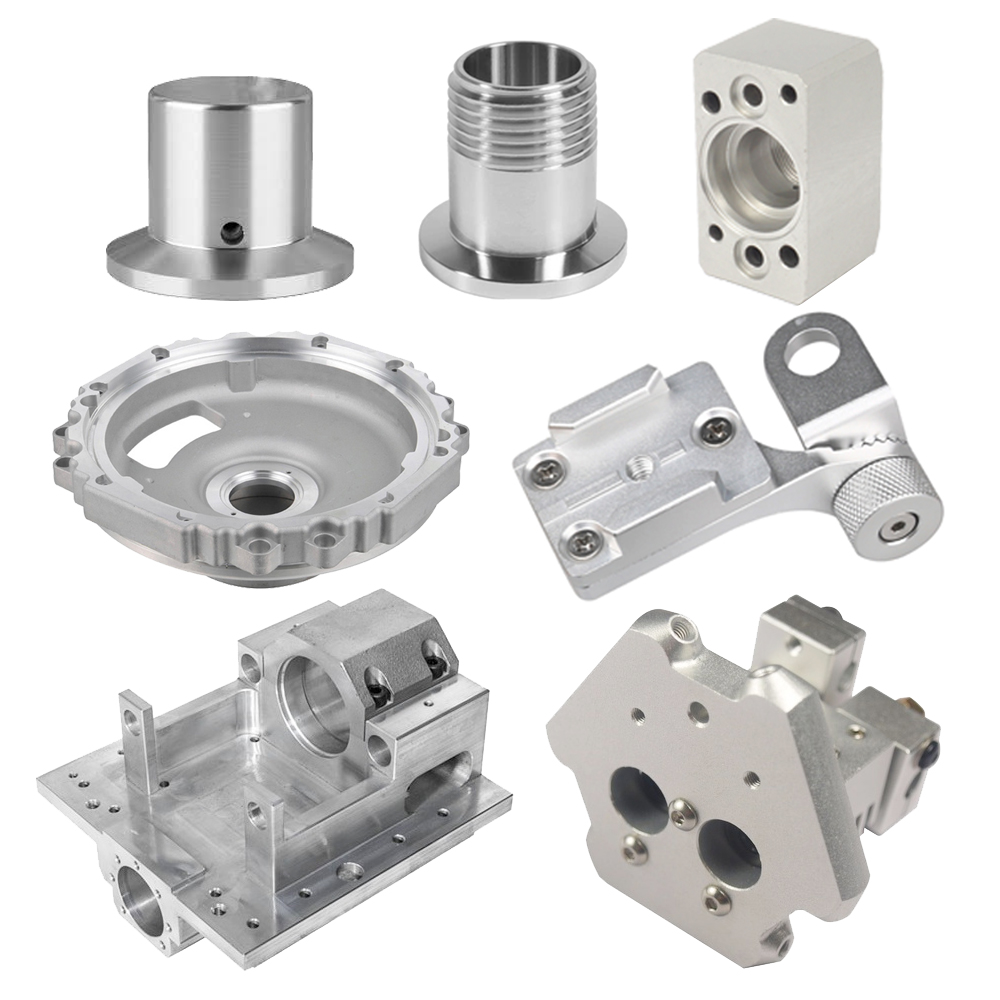
Final Recap: A 3D printer is an automated additive manufacturing device that builds physical 3D objects layer by layer from digital designs, designed for rapid, tooling-free prototyping. For hardware and plastic mold industries, it is the ultimate solution to slow, expensive traditional sampling, making same-day sample production a standard reality.
Where Can I Get Things 3D Printed? Fast Sample Solutions for Hardware & Plastic Mold Industries
What Is a 3D Printer? The Fast Sampling Workhorse for Hardware & Plastic Mold Industries
Related Article

Fast sampling is the fastest way to win business in the hardware machining and plastic mold industries. Customers want a working sample in days, and a 3D printer delivers it, but only when you know how to print in 3d correctly.
how to print in 3d

Fast sampling is the fastest way to win business in the hardware machining and plastic mold industries. Customers often send an STL file and expect a working sample in days.
how to print an stl file

