What Is 18k Gold Plated? Exploring the Basics
Author: SZTC
2025-08-13
When shopping for jewelry or accessories, you’ve likely come across the term “18k gold plated.” It sounds similar to solid gold, but there’s a significant difference in composition, value, and durability. If you’re wondering, “What is 18k gold plated?” you’re not alone. Let’s break down this popular material to help you understand what it is, how it’s made, and what to expect from it.
Defining 18k Gold Plated: The Core Concept
At its simplest, 18k gold plated refers to an item made from a base metal (like copper, brass, or nickel) that has been coated with a thin layer of 18k gold.
First, let’s recall what 18k gold is. Pure gold is 24k, meaning it’s 99.9% gold. 18k gold is an alloy: it contains 75% pure gold mixed with 25% other metals (such as silver, copper, or zinc) to make it stronger and more durable. This alloy is what’s used for the plating layer in 18k gold plated items.
Crucially, the “plated” part means the 18k gold is only a thin covering. The majority of the item’s structure is the base metal, not gold. This distinguishes it from solid 18k gold, where the entire piece is made of the 18k alloy.

The process of creating 18k gold plated items involves a technique called electroplating, which bonds the 18k gold layer to the base metal. Here’s a simplified breakdown of the steps:
Preparation of the Base Metal
The base metal (e.g., brass) is first cleaned thoroughly to remove any dirt, oils, or oxides. This ensures the gold layer adheres properly. Sometimes, a thin layer of another metal (like nickel) is applied first as a “barrier” to prevent tarnishing or reactions between the base metal and the gold.
Electroplating with 18k Gold
The cleaned base metal is submerged in a solution containing dissolved 18k gold ions. An electric current is passed through the solution, causing the gold ions to bond to the surface of the base metal. This forms a thin, even layer of 18k gold.
The thickness of this layer can vary, but it’s typically measured in microns (one micron is 0.001 millimeters). Most 18k gold plated items have a gold layer between 0.5 and 5 microns thick. Thicker layers (sometimes called “heavy gold plating”) tend to be more durable.

Understanding 18k gold plated items means knowing their pros and cons, which stem from their unique composition:
Appearance
They offer the same warm, rich color as solid 18k gold, making them an attractive, budget-friendly alternative for those who love the look of gold.
Durability
The thin gold layer can wear off over time, especially with frequent use or exposure to water, chemicals (like perfume or lotion), or friction. Once the gold wears away, the base metal may tarnish or discolor.
Value
They are much more affordable than solid 18k gold because they contain very little actual gold. Their value lies more in design and craftsmanship than in gold content.
Care Tips
To extend the life of 18k gold plated items, avoid wearing them in water (e.g., while showering or swimming), remove them before applying cosmetics, and store them in a dry, tarnish-resistant pouch.
Conclusion
So, what is 18k gold plated? It’s a base metal coated with a thin layer of 18k gold alloy, offering the look of solid 18k gold at a lower cost. While it’s not as durable or valuable as solid gold, it’s a popular choice for trendy jewelry or accessories. By understanding its nature, you can make informed choices and care for your 18k gold plated items to enjoy them longer.
The Extraordinary Tale: Where Did Joseph Smith Find the Gold Plates?
Is Gold Plated Worth Anything? Unveiling the Truth Behind the Shine
Related Article
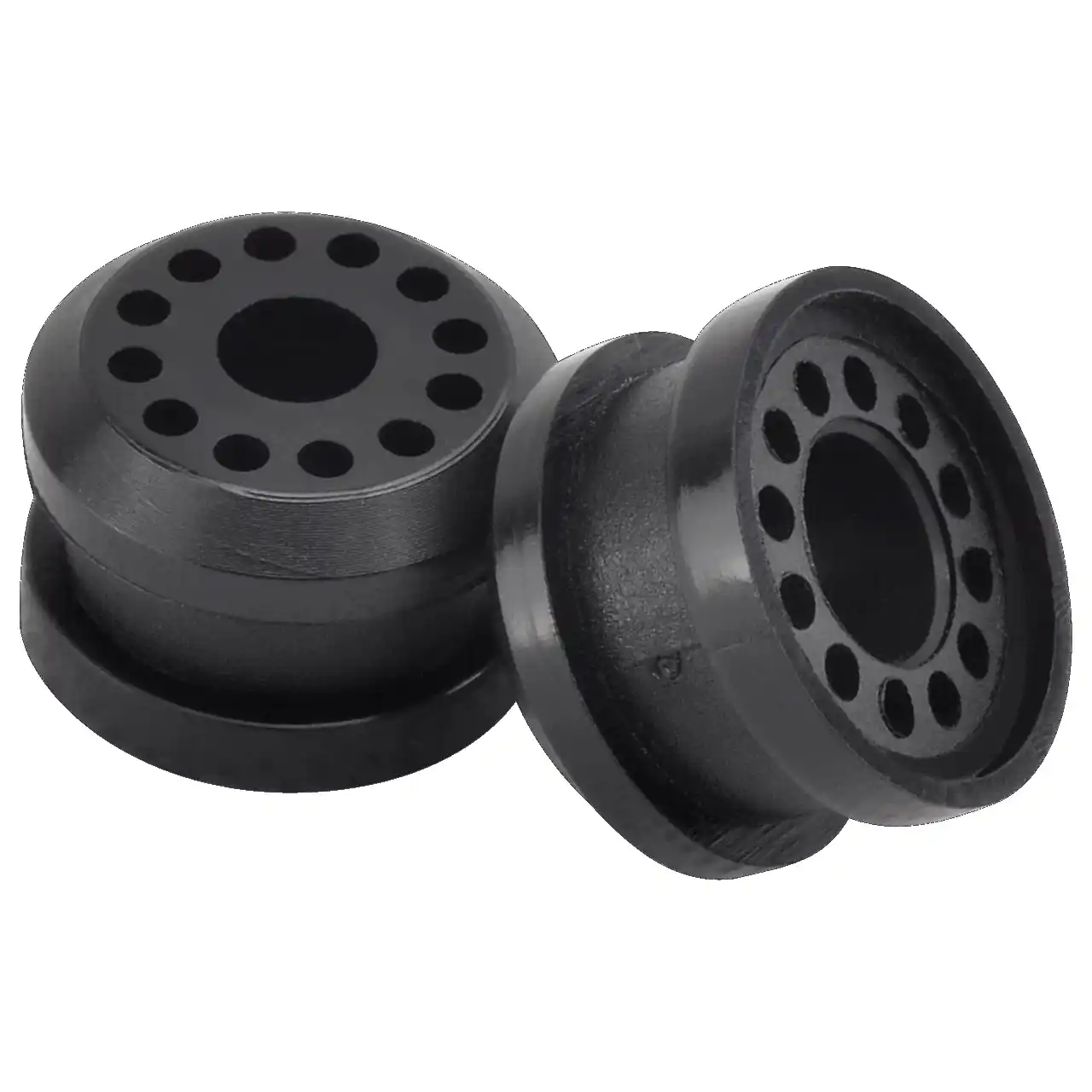
Fast sampling is the fastest way to win business in the hardware machining and plastic mold industries. Customers want a working sample in days, and a 3D printer delivers it, but only when you know how to print in 3d correctly.
how to print in 3d

Fast sampling is the fastest way to win business in the hardware machining and plastic mold industries. Customers often send an STL file and expect a working sample in days.
how to print an stl file