
What Fabric is Nylon
Author: SZTC
2025-06-12
Nylon is a synthetic fabric that has become a staple in various industries, from fashion to sports and even in household items. Its unique properties and versatility make it a popular choice among manufacturers and consumers alike. In this blog post, we'll explore what nylon is, its characteristics, applications, and some considerations regarding its environmental impact.

The Definition and Invention of Nylon
Nylon is a man - made polymer, specifically a type of polyamide. It was first introduced to the world in 1935 by Wallace Carothers, a chemist working for DuPont. The invention of nylon was a significant milestone in the textile industry, as it was the world's first fully synthetic fiber. Unlike natural fibers such as cotton, wool, or silk, nylon is created through a chemical process. Monomers are combined under high pressure and temperature to form long - chain polymers, which are then extruded through spinnerets to create fibers. This manufacturing process allows for precise control over the properties of the resulting nylon fabric.

Strength and Durability
One of the most notable features of nylon is its exceptional strength. Nylon fibers are highly resistant to abrasion, tearing, and stretching, making the fabric long - lasting. This durability makes nylon an ideal choice for items that need to withstand regular use and rough handling, such as backpacks, luggage, and outdoor gear.
Lightweight and Flexible
Despite its strength, nylon is a lightweight fabric. It drapes well and is highly flexible, providing comfort and ease of movement. This characteristic makes it suitable for a wide range of clothing items, from athletic wear that requires freedom of motion to elegant evening gowns that need a flowing silhouette.
Moisture Resistance
Nylon has good moisture - wicking properties, meaning it can draw moisture away from the skin and dry quickly. This makes it a great choice for sportswear, as it helps keep the wearer dry and comfortable during physical activities. Additionally, nylon is resistant to water absorption to some extent, which also contributes to its quick - drying nature.
Chemical Resistance
Nylon is resistant to many chemicals, including oils, fuels, and various solvents. This property makes it useful in industrial applications, such as in the production of protective clothing for workers in chemical plants or laboratories.

In the Fashion Industry
Nylon is widely used in the fashion world. It is often blended with other fibers, such as spandex, to create stretchy and form - fitting garments like leggings, swimwear, and activewear. Nylon's ability to hold its shape and resist wrinkling also makes it a popular choice for outerwear, including windbreakers and raincoats.
In Sports Equipment
Due to its strength and durability, nylon is a common material in sports equipment. It is used to make tennis strings, fishing lines, and parachutes. In team sports, nylon is found in uniforms, providing both comfort and durability on the field or court.
In Household Items
Nylon is present in many household items. It is used to make carpets, which benefit from its durability and resistance to stains. Nylon is also used in the production of curtains, upholstery, and other home textiles, offering both aesthetic appeal and practicality.
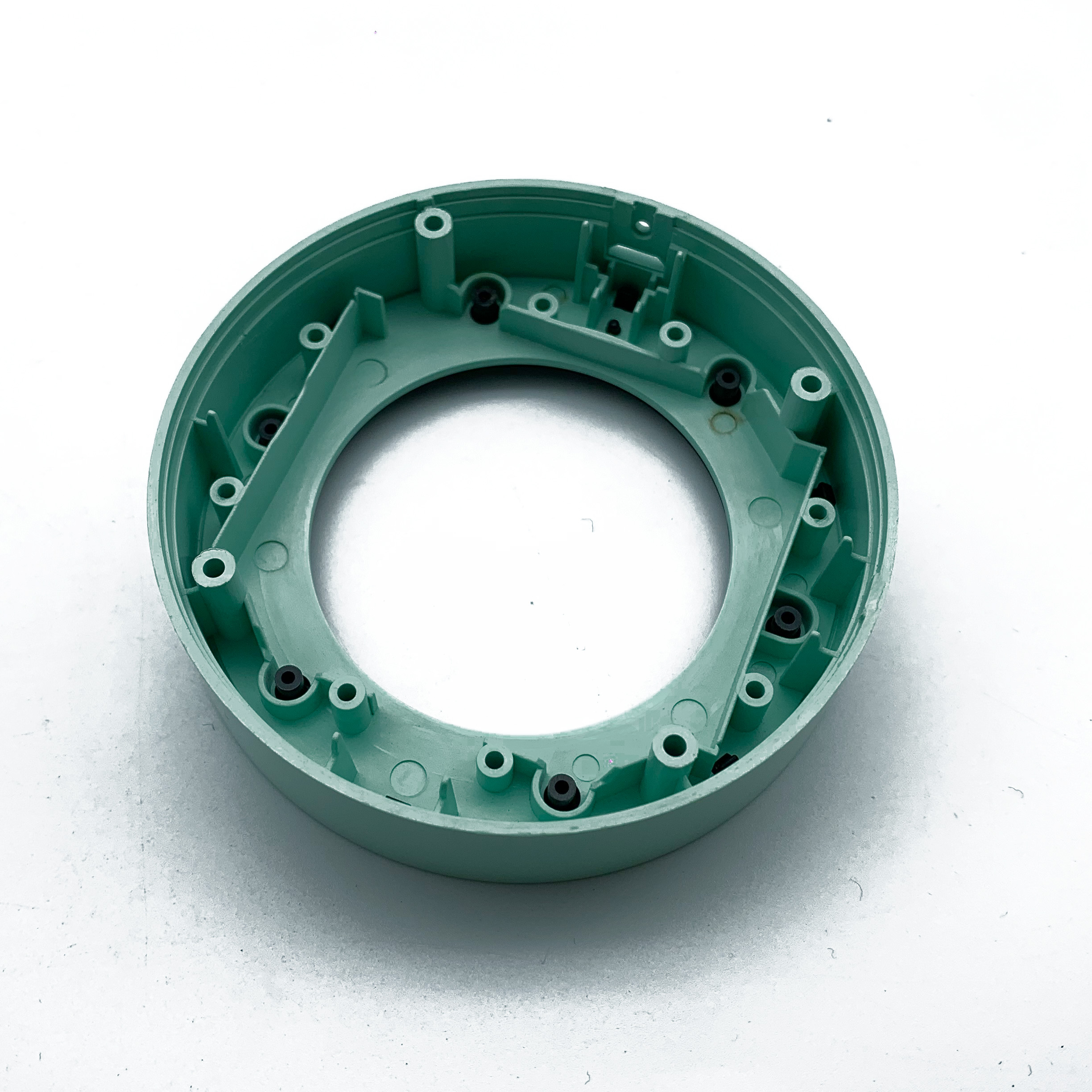
While nylon offers many advantages, it also has some environmental drawbacks. As a synthetic fabric, nylon is derived from petroleum, a non - renewable resource. The production of nylon requires a significant amount of energy and generates greenhouse gas emissions. Additionally, nylon is not biodegradable, meaning that nylon products that end up in landfills will persist for a long time. However, efforts are being made to address these issues. There are now initiatives to produce nylon from renewable sources, such as plant - based materials, and to improve recycling processes for nylon products.
In conclusion, nylon is a remarkable synthetic fabric with a wide range of applications thanks to its unique characteristics. Understanding what nylon is and its various aspects can help consumers make more informed choices when purchasing products, and also encourage the development of more sustainable practices in its production and use.
is nylon a synthetic
Is Nylon Plastic
Related Article

Fast sampling is the fastest way to win business in the hardware machining and plastic mold industries. Customers want a working sample in days, and a 3D printer delivers it, but only when you know how to print in 3d correctly.
how to print in 3d

Fast sampling is the fastest way to win business in the hardware machining and plastic mold industries. Customers often send an STL file and expect a working sample in days.
how to print an stl file

