
What Does It Mean to Be Gold Plated? A Clear Explanation
Author: SZTC
2025-08-15
The term “gold plated” is commonly used in jewelry, electronics, and home decor, but many people wonder: what does it mean to be gold plated? In this blog, we’ll break down the definition, manufacturing process, and key characteristics of gold plated items, helping you understand exactly what this term entails.

At its core, gold plated refers to an item that has a thin layer of gold applied to the surface of a base metal. Unlike solid gold (which is made entirely of gold alloy), gold plated items are primarily composed of a less expensive metal—such as copper, brass, silver, or even stainless steel—with gold covering only the outermost layer.
This gold layer is measured in microns (a micron is 0.001 millimeters), and its thickness can vary significantly. Typically, gold plating ranges from 0.5 microns to 5 microns thick. For context, a human hair is about 50 microns thick, so even the thickest gold plating is relatively thin compared to the base metal beneath it.
The purpose of gold plating is to give the item the appearance and some of the properties of gold (like a shiny, luxurious finish) at a fraction of the cost of solid gold.
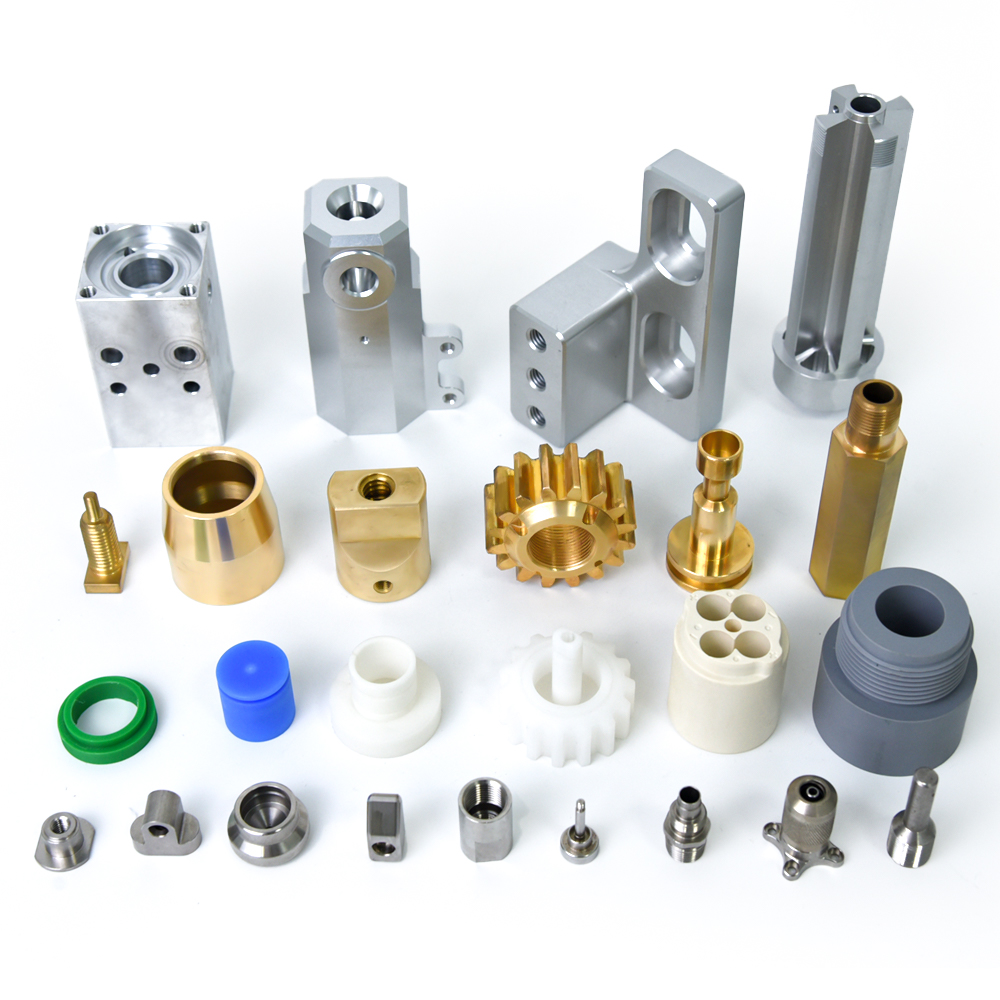
To understand what it means to be gold plated, it’s helpful to know how the process is done. Gold plating is achieved through a technique called electroplating—a common method in metalworking that uses an electric current to deposit a thin layer of metal onto another surface. Here’s a simplified breakdown of the steps:
1. Preparing the Base Metal
First, the base metal (e.g., brass) is thoroughly cleaned to remove dirt, oil, or oxides. Any impurities on the surface could prevent the gold from adhering properly, so this step is critical for a smooth, even finish.
2. Setting Up the Electroplating Bath
The cleaned base metal is submerged in a liquid solution (called an electrolyte) that contains dissolved gold ions. A piece of solid gold (or a gold alloy) is also placed in the bath to act as the anode (the source of gold ions).
3. Applying an Electric Current
When an electric current is passed through the bath, the gold ions in the solution are drawn to the base metal (now acting as the cathode). Over time, these ions bond to the surface of the base metal, forming a thin, continuous layer of gold.
4. Finishing Touches
After plating, the item is rinsed and dried. Some pieces may undergo additional steps, like polishing, to enhance the shine of the gold layer.
The thickness of the gold layer is controlled by adjusting the duration of the electroplating process—the longer the current runs, the thicker the gold layer will be.
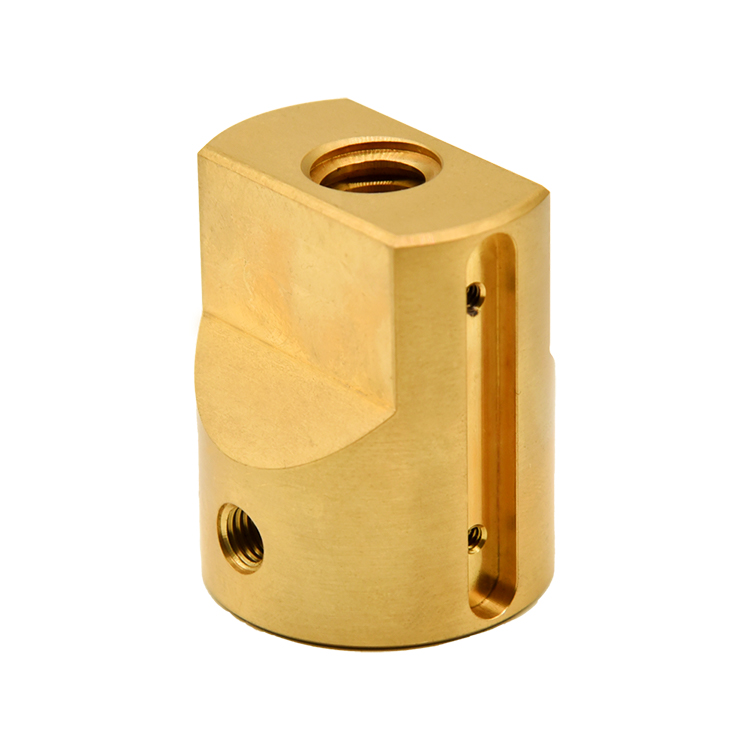
To fully grasp what it means to be gold plated, it’s important to distinguish it from other gold-related terms that are often confused with it:
Gold Plated vs. Gold Filled
Gold filled items have a much thicker layer of gold than gold plated ones—usually 5% or more of the item’s total weight. The gold is bonded to the base metal through heat and pressure, making it more durable than gold plating. Gold filled pieces can last 10–30 years with proper care, whereas gold plated items typically last 6 months to 3 years.
Gold Plated vs. Vermeil
Vermeil (pronounced “ver-may”) is a type of high-quality gold plating that uses sterling silver as the base metal. To be classified as vermeil, the gold layer must be at least 2.5 microns thick. This makes vermeil more durable than standard gold plating (which can use any base metal and thinner layers) and often more expensive.
Gold Plated vs. Solid Gold
Solid gold is an alloy of gold and other metals (like copper or silver) throughout the entire item, not just the surface. It is measured in karats (e.g., 14k, 18k) and is much more valuable and durable than gold plated items. Solid gold does not tarnish or wear away, whereas the gold layer on plated items can fade over time.
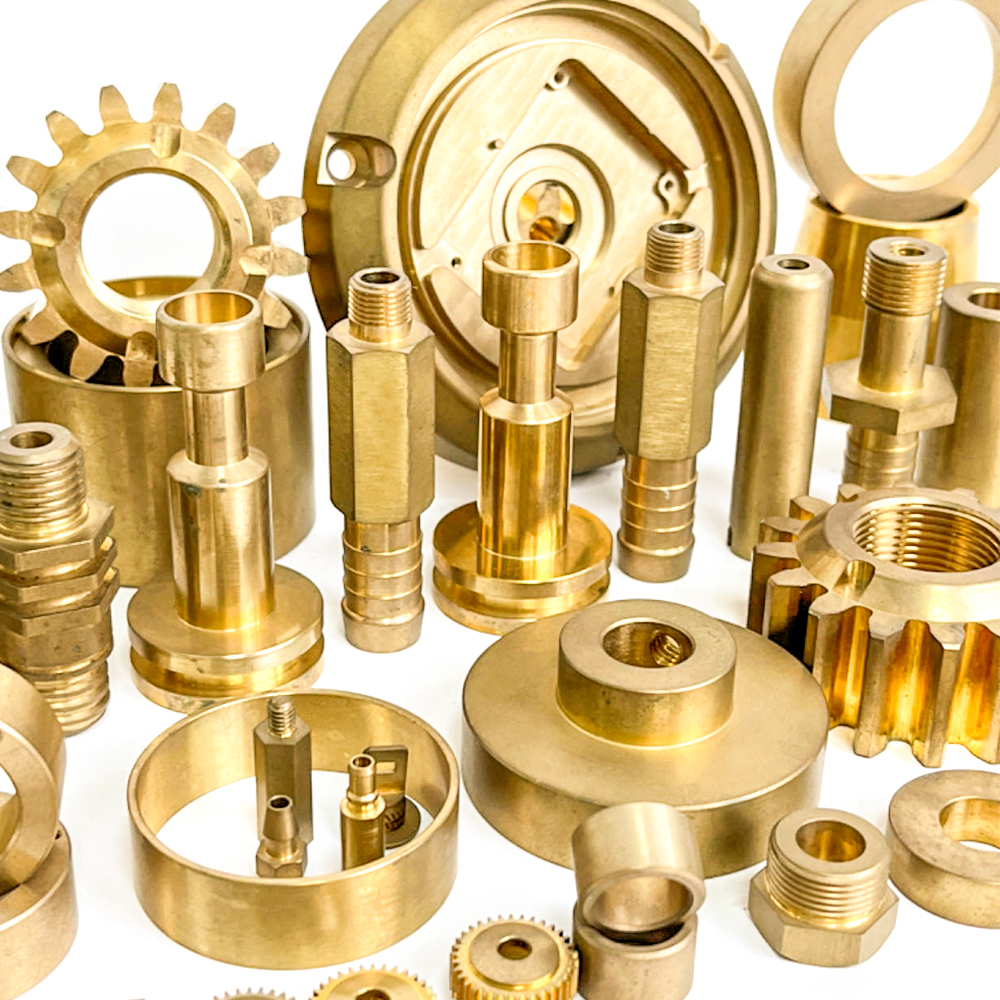
Understanding the advantages and drawbacks of gold plated items helps clarify what it means to own one:
Pros
- Affordability: Gold plated items offer the look of gold at a fraction of the cost of solid gold, making them accessible for everyday use.
- Versatility: They come in a wide range of designs, from jewelry to home decor, allowing you to enjoy gold’s aesthetic without a large investment.
- Customization: Gold plating can be applied to various base metals, offering flexibility in color (e.g., yellow gold, rose gold, white gold) and style.
Cons
- Limited Durability: The thin gold layer can wear away with frequent use, exposing the base metal and causing tarnishing or discoloration.
- Sensitivity Risks: If the base metal is nickel (a common allergen), gold plated items may cause skin irritation once the plating wears thin.
- Lower Resale Value: Gold plated items have little to no intrinsic value, as the gold content is minimal.
Conclusion
So, what does it mean to be gold plated? It means an item has a thin layer of gold electroplated onto a base metal, offering the appearance of gold at a lower cost. While not as durable or valuable as solid gold, gold filled, or vermeil, gold plated items are a popular choice for those seeking affordable luxury. By understanding its definition, manufacturing process, and differences from similar terms, you can make informed decisions when buying or caring for gold plated items. Whether it’s a necklace, watch, or decorative tray, knowing what “gold plated” truly means helps you appreciate its role in balancing style and practicality.
what is difference between gold filled and gold plated
Is Hermès Fashion Jewelry Gold Plated? Exploring the Brand’s Craftsmanship
Related Article

Fast sampling is the fastest way to win business in the hardware machining and plastic mold industries. Customers want a working sample in days, and a 3D printer delivers it, but only when you know how to print in 3d correctly.
how to print in 3d

Fast sampling is the fastest way to win business in the hardware machining and plastic mold industries. Customers often send an STL file and expect a working sample in days.
how to print an stl file

