
What Does a Metal Fabricator Do?
Author: SZTC
2025-05-10
Introduction
Metal fabricators are the unsung heroes behind a vast array of products and structures that shape our modern world. From the sturdy frames of skyscrapers to the intricate components of high - tech machinery, their skills and expertise are essential in transforming raw metal materials into functional and durable items. But what exactly does a metal fabricator do? This blog will delve into the diverse responsibilities and tasks that define the role of a metal fabricator.
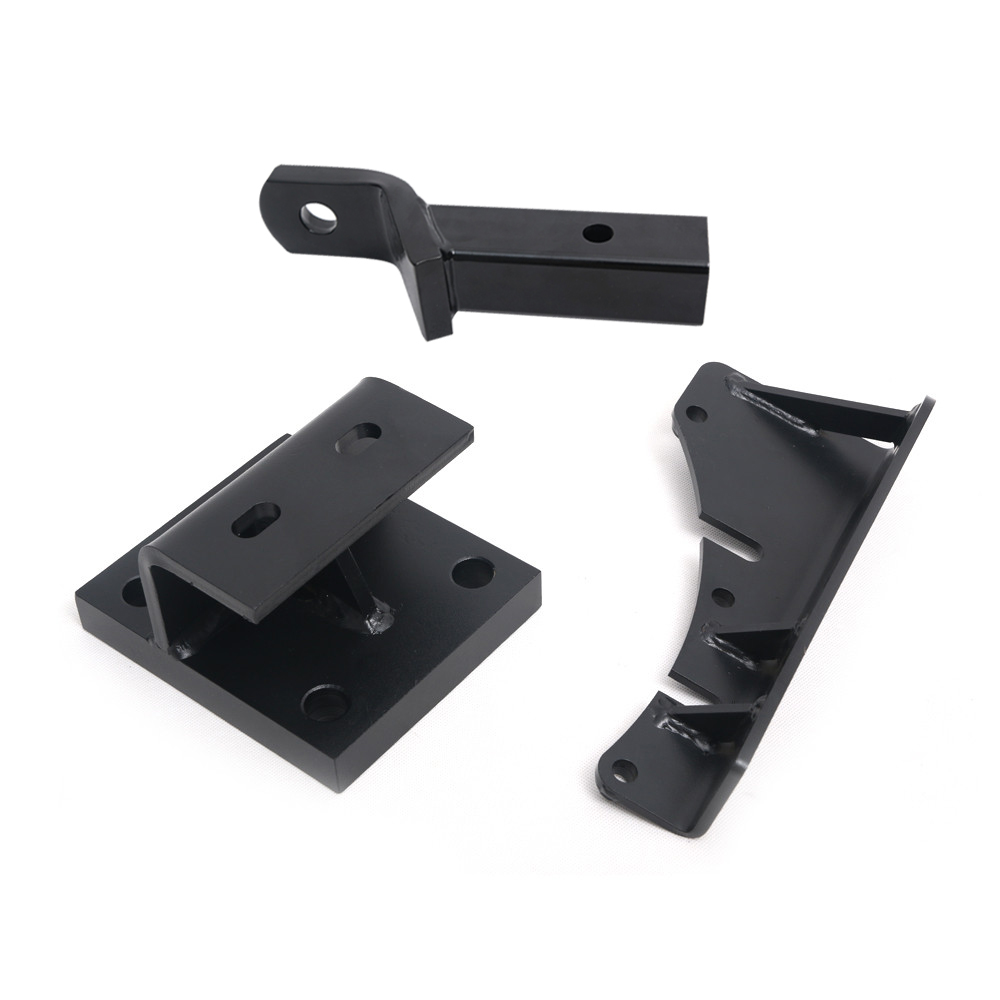
Project Initiation and Planning
Blueprint Analysis
At the start of any metal fabrication project, a metal fabricator begins by carefully studying engineering blueprints. These detailed drawings are the roadmap for the entire fabrication process, containing crucial information such as the dimensions, shapes, and specifications of the metal parts to be created. Fabricators must be proficient in deciphering symbols, understanding tolerances, and identifying any special requirements. A single misinterpretation could lead to costly errors, delays, and wasted materials, so meticulous attention to detail is key.
Material Sourcing and Preparation
Based on the blueprint specifications, metal fabricators select the appropriate metal materials. Factors like strength, corrosion resistance, and cost - effectiveness come into play when choosing between materials such as steel, aluminum, stainless steel, or copper. Once the materials are sourced, the fabricator prepares them for the fabrication process. This may involve cutting large sheets or bars to the required sizes, removing any protective coatings or contaminants, and ensuring the metal is in the best possible condition for subsequent operations.

Fabrication Operations
Cutting and Shaping
The heart of a metal fabricator’s job lies in cutting and shaping metal. Using a range of tools and techniques, fabricators transform flat sheets or solid bars into the desired forms. Traditional methods like shearing are employed to cut metal sheets into smaller, more manageable pieces, while advanced technologies such as laser cutting and plasma cutting allow for highly precise and intricate cuts, even on complex shapes. After cutting, fabricators use bending and forming equipment, like press brakes and rolling machines, to shape the metal according to the design. They carefully control the angles, curves, and dimensions to ensure the parts meet the required specifications.
Assembly and Joining
Once the individual metal parts are cut and shaped, the fabricator moves on to the assembly stage. This involves bringing the parts together to create a complete structure or component. Welding is one of the most common methods for joining metal parts, and fabricators are skilled in various welding techniques, including Shielded Metal Arc Welding (SMAW), Gas Metal Arc Welding (GMAW), and Tungsten Inert Gas Welding (TIG). Depending on the project requirements, they may also use other fastening methods, such as bolts, nuts, and rivets, to secure the parts together.

Quality Assurance and Finishing
Inspection and Quality Control
Throughout the fabrication process, metal fabricators are responsible for ensuring the quality of their work. Regular inspections are carried out to check for dimensional accuracy, proper alignment of parts, and the integrity of welds. Using precision measuring tools like calipers, micrometers, and gauges, fabricators compare the fabricated parts against the blueprint specifications. Any deviations or defects are identified and corrected promptly to prevent the production of substandard products.
Surface Finishing
Once the fabrication is complete, metal fabricators may perform surface finishing operations to enhance the appearance and durability of the metal items. Processes such as grinding, sandblasting, painting, and powder coating are used to smooth the surfaces, remove any burrs or rough edges, and apply protective coatings. These finishing touches not only make the products look better but also protect them from corrosion, wear, and other environmental factors, extending their lifespan and performance.
How Much Do Metal Fabricators Make?
What Do Metal Fabricators Do?
Related Article

Fast sampling is the fastest way to win business in the hardware machining and plastic mold industries. Customers want a working sample in days, and a 3D printer delivers it, but only when you know how to print in 3d correctly.
how to print in 3d

Fast sampling is the fastest way to win business in the hardware machining and plastic mold industries. Customers often send an STL file and expect a working sample in days.
how to print an stl file

