
What Does 3D Printing Mean? A Guide for Hardware & Plastic Mold Fast Sampling
Author: SZTC
2026-04-07


Samuel Song Your service representative
Specializing in zinc-aluminum-magnesium alloy die-casting processing, CNC milling, CNC turning, 3D printing, injection molding and sheet metal processing. Manufacturing services.
-----------------------------------------------------------------------------------------------------------------------------------------------------------------------------------------------------------------------------------------------------------------------------------------------------------------------------------------------
In the dynamic landscape of hardware processing and plastic mold manufacturing, 3D printing is no longer a futuristic concept—it’s a daily tool that reshapes how manufacturers create samples, validate designs, and stay competitive. For engineering teams, factory managers, and even clients, a fundamental question persists: what does 3D printing mean, especially in the context of fast sampling—the lifeblood of product development and client collaboration?
This blog will demystify what does 3D printing mean by breaking down its core definition, technical essence, and industry-specific significance for hardware and plastic mold sectors. We’ll connect the concept to real-world fast sampling needs, explaining how 3D printing transforms traditional workflows, reduces costs, and accelerates time-to-market—ensuring you grasp its full value for your business.

1. The Core Definition: What Does 3D Printing Mean Fundamentally?
To answer what does 3D printing mean, we start with its universal industrial definition, moving beyond the "hobbyist" stereotype to its role in manufacturing. At its core, 3D printing—also known as additive manufacturing (AM)—is a digital-driven production process that builds physical objects layer by layer from a 3D digital model (CAD file), rather than removing material (subtractive manufacturing, like CNC machining) or shaping it with molds (formative manufacturing, like injection molding).
But what does 3D printing mean beyond this basic explanation? It means a shift from "tool-dependent" to "design-driven" manufacturing—a process where physical parts are created directly from digital designs, with no need for custom tooling or molds during the prototyping phase. This core principle is what makes 3D printing a game-changer for fast sampling in hardware and plastic mold industries.
1.1 The Technical Essence of 3D Printing
To fully understand what does 3D printing mean, we must unpack its technical foundation, which differentiates it from traditional manufacturing:
-
Digital-Centric Workflow: The entire process starts with a 3D CAD model, which is sliced into thousands of ultra-thin layers (0.03–0.2mm) by specialized software. The 3D printer then follows these sliced instructions to build the part, ensuring high precision and consistency across every sample.
-
Additive Material Usage: Unlike CNC machining, which wastes 30–50% of material by cutting away excess, 3D printing adds material only where it’s needed—material utilization can reach 85–95%, reducing waste and lowering material costs for expensive metals and resins.
-
Technology Versatility: Industrial 3D printing uses various technologies (SLM/DMLS for metals, SLA/SLS for plastics) to accommodate different materials and part requirements—critical for hardware and mold applications that demand specific strength, heat resistance, and precision.
1.2 What 3D Printing Does NOT Mean (Clearing Misconceptions)
To avoid misinterpreting what does 3D printing mean, it’s vital to correct common myths, especially for industrial use:
-
It does NOT mean "low-quality prototypes": Industrial 3D printing produces functional, testable parts that meet strict industry standards—metal parts undergo heat treatment for strength, while resin parts use high-temperature materials for mold applications.
-
It does NOT mean "mass production replacement": 3D printing excels at fast sampling and small-batch production (1–100 pieces); traditional methods (CNC, injection molding) remain more cost-effective for high-volume runs (1000+ pieces).
-
It does NOT mean "complicated operation": Modern industrial 3D printers are automated, with user-friendly software and remote monitoring—many service providers offer turnkey solutions, so you don’t need specialized technical expertise to leverage fast sampling.

2. What Does 3D Printing Mean for the Hardware Processing Industry?
For hardware manufacturers, what does 3D printing mean translates to tangible solutions for fast metal sampling, design iteration, and cost reduction—addressing the biggest pain points of traditional CNC machining.
2.1 It Means Fast, Functional Metal Prototyping
The most critical answer to what does 3D printing mean for hardware processing is rapid metal prototyping. Traditional CNC machining of metal parts (brackets, fasteners, mold steel components) takes 3–15 days, requiring expensive tooling and programming. 3D printing (using SLM/DMLS technology) produces these prototypes in 6–24 hours, using industrial-grade metals like 17-4PH stainless steel, AlSi10Mg aluminum, and H13 mold steel.
This means engineers can test dimensional accuracy, structural strength, and fit in days—not weeks—accelerating product development cycles by over 80%. For example, a hardware manufacturer can 3D print a custom metal bracket prototype, test it for load-bearing capacity, and reprint a revised version the same day if adjustments are needed—something impossible with traditional methods.
2.2 It Means Freedom to Create Complex Hardware Components
Another key aspect of what does 3D printing mean for hardware is design freedom. Traditional CNC machining struggles with complex geometries—hollow structures, internal channels, or special-shaped fittings require expensive custom tooling or multiple machining steps, often leading to precision loss.
3D printing eliminates these limitations, allowing manufacturers to print complex hardware parts in one piece. For example, 3D printed metal components with internal lattice structures are 30% lighter while maintaining strength—ideal for aerospace or automotive hardware. This design freedom also enables custom hardware production for niche industries, where one-off or small-batch parts are cost-prohibitive with traditional methods.
2.3 It Means Cost-Effective Tooling & Fixture Sampling
For hardware manufacturers, what does 3D printing mean also includes affordable auxiliary tooling. 3D printers can quickly produce custom jigs, fixtures, and tool holders—used to hold parts during machining or assembly—in 4–12 hours at a fraction of the cost of traditional tooling. These tooling samples can be easily modified or replaced, making them perfect for small-batch or custom hardware production scenarios.
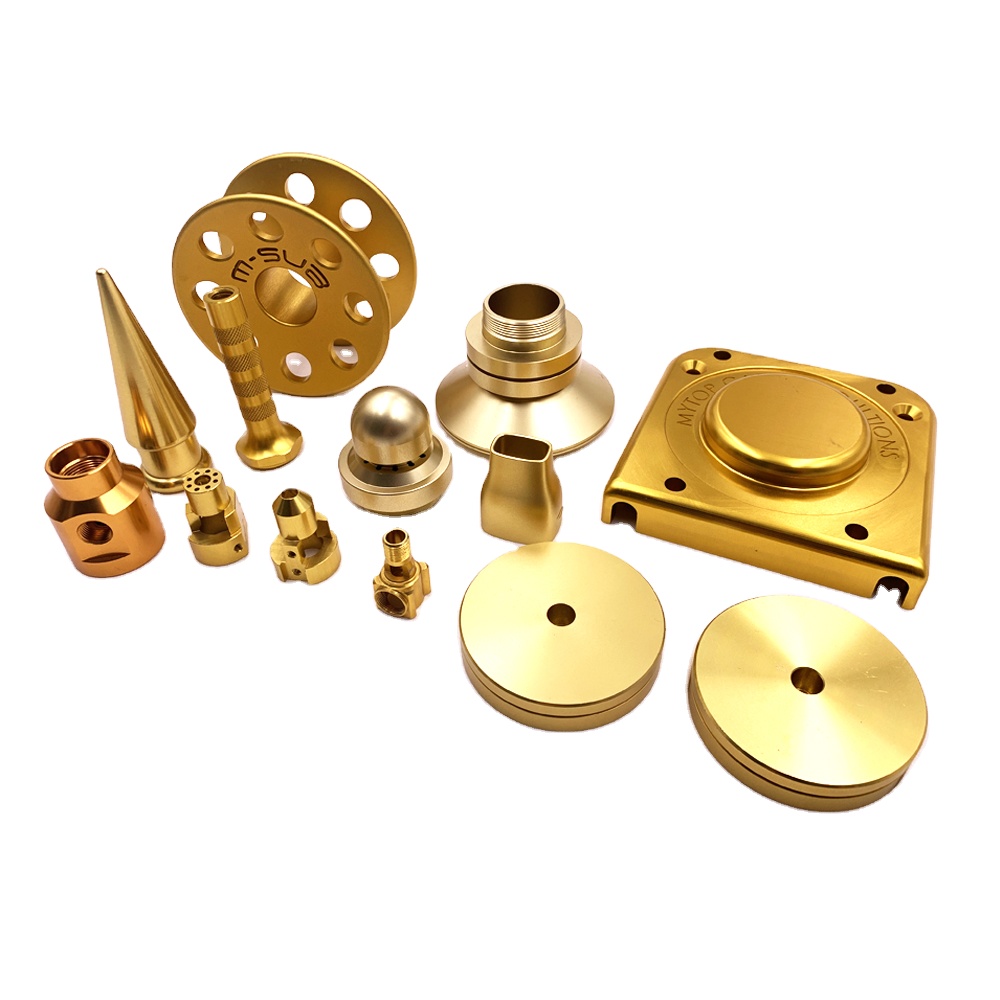
3. What Does 3D Printing Mean for the Plastic Mold Industry?
In the plastic mold industry, where mold development is high-risk, time-consuming, and costly, what does 3D printing mean is a revolution in risk reduction, speed, and design validation—all centered on fast sampling.
3.1 It Means Rapid Trial Molds & Reduced Risk
The most impactful answer to what does 3D printing mean for plastic mold manufacturers is fast trial molds. Traditional steel mold opening takes 2–4 weeks and costs tens of thousands of dollars; if design flaws are found, rework is expensive and time-consuming. 3D printing produces trial molds, mold cores, and cavity inserts in 4–12 hours using high-temperature resistant resins (e.g., Rigid 10K Resin) or engineering plastics (e.g., glass-filled nylon).
These trial molds are durable enough for 50–100 injection molding test cycles, allowing designers to verify draft angles, part release, and cooling efficiency before investing in formal steel molds. This means reducing mold development time by 50% or more and eliminating the risk of costly rework—critical for staying competitive in the mold industry.
3.2 It Means Complex Mold Structures & Improved Efficiency
3D printing also redefines what does 3D printing mean for mold design by enabling complex, high-efficiency mold structures that traditional machining cannot achieve. The most notable example is conformal cooling channels—internal channels that follow the shape of the mold cavity, reducing injection molding cycles by 20–40% and improving product surface quality.
These channels are impossible to machine with traditional methods, but 3D printing can produce them in one piece, no assembly required. For mold manufacturers, this means faster production cycles, better product quality, and a competitive edge in a market where efficiency and precision are non-negotiable.
3.3 It Means Fast Client Samples & Faster Approval
Finally, what does 3D printing mean for plastic mold manufacturers is accelerated client collaboration. 3D printing can quickly produce plastic product prototypes (e.g., consumer electronics casings, automotive parts) that match the appearance and basic performance of the final product. These samples allow clients to visualize, test, and approve designs before mold development begins—reducing miscommunication and speeding up the approval process by weeks.

4. What Does 3D Printing Mean for the Future of Both Industries?
Beyond immediate fast sampling benefits, what does 3D printing mean for the long-term success of hardware and plastic mold industries? It means a shift toward more flexible, sustainable, and client-centric manufacturing.
4.1 It Means Agile, Iterative Development
3D printing enables "weekly design iterations"—a level of agility that traditional manufacturing cannot match. For both industries, this means being able to adapt to client changes, market trends, and design flaws quickly, without sacrificing time or cost. It turns product development from a slow, linear process into a dynamic, iterative one.
4.2 It Means Sustainable, Cost-Efficient Manufacturing
With material utilization close to 100%, 3D printing reduces waste and lowers material costs—especially for expensive metals and resins. This aligns with global ESG standards and helps manufacturers reduce their environmental footprint, while also cutting operational costs. For example, 3D printing reduces plastic waste by avoiding excess material removal, and metal powder can be recycled for future use.
Final Recap: To answer what does 3D printing mean for the hardware processing and plastic mold industries, it is far more than a manufacturing technology—it is a catalyst for speed, efficiency, and innovation. Fundamentally, it means layer-by-layer, digital-driven production that eliminates tooling barriers. For hardware, it means fast metal prototyping, design freedom, and cost-effective tooling. For plastic molds, it means rapid trial molds, complex structures, and faster client approval. By understandingwhat does 3D printing mean in these contexts, manufacturers can leverage it to streamline fast sampling, reduce risk, and stay ahead in a competitive market where speed and precision make all the difference.
What Does 3D Printing Mean? (And What Does a 3D Printer Do) For Hardware & Plastic Mold Fast Sampling
What Does 3D Printers Print? A Guide for Hardware & Plastic Mold Fast Sampling
Related Article

Fast sampling is the fastest way to win business in the hardware machining and plastic mold industries. Customers want a working sample in days, and a 3D printer delivers it, but only when you know how to print in 3d correctly.
how to print in 3d

Fast sampling is the fastest way to win business in the hardware machining and plastic mold industries. Customers often send an STL file and expect a working sample in days.
how to print an stl file

