
What Does 3D Printing Look Like for Hardware and Mold Sampling
Author: SZTC
2026-05-21


Samuel Song Your service representative
Specializing in zinc-aluminum-magnesium alloy die-casting processing, CNC milling, CNC turning, 3D printing, injection molding and sheet metal processing. Manufacturing services.
-----------------------------------------------------------------------------------------------------------------------------------------------------------------------------------------------------------------------------------------------------------------------------------------------------------------------------------------------
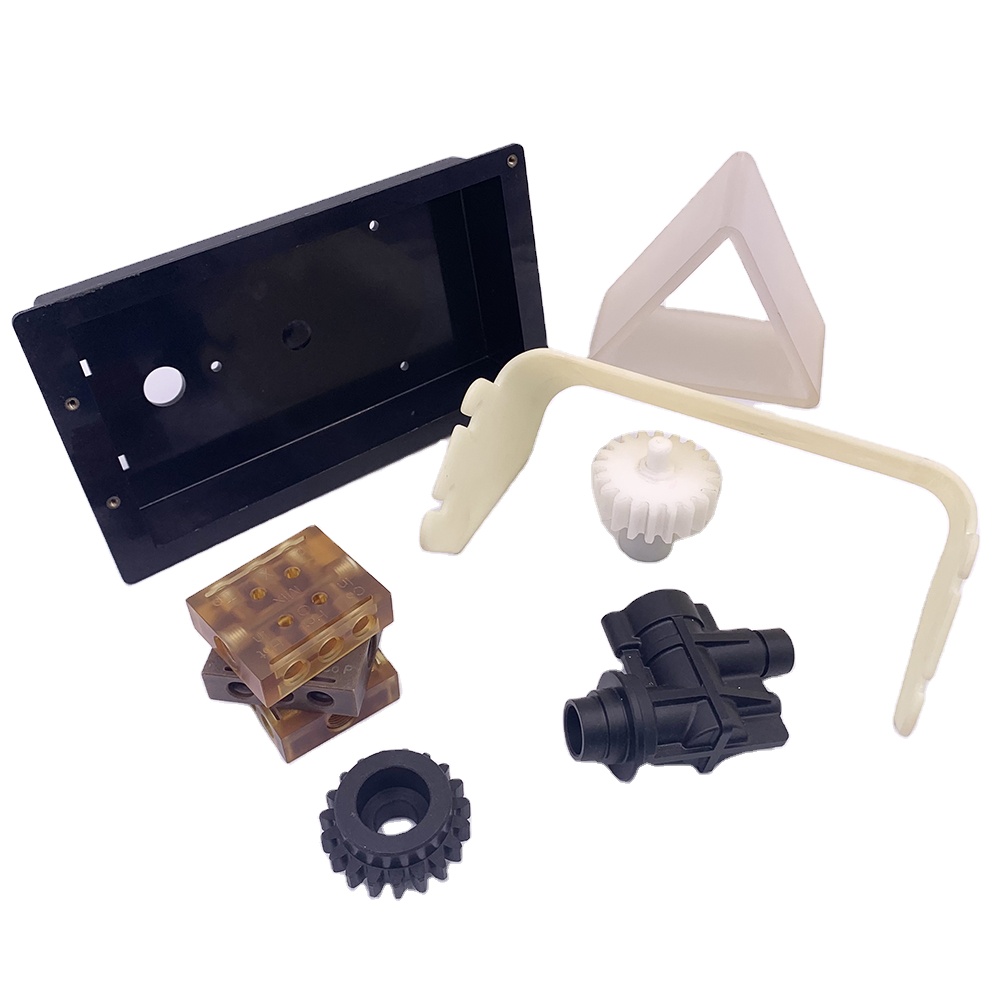
Many factory buyers and industrial beginners often wonder what does 3D printing look like in actual manufacturing environments. Unlike traditional CNC cutting and mold injection, industrial 3D printing presents unique visual features and production appearances. For hardware processing and plastic mold industries, understanding what does 3D printing look like helps engineers distinguish prototype quality and select suitable sampling solutions.
1. Visual Appearance of the Printing Process
The running state directly shows what does 3D printing look like inside a workshop.
1.1 Layer-by-Layer Stacking Traces
During operation, 3D printers continuously stack thin material layers. People can observe uniform horizontal lines on the part surface. These obvious layer textures are the most intuitive feature that shows what does 3D printing look like.
1.2 Quiet and Stable Movement
Different from noisy metal stamping machines, industrial printers move smoothly and quietly. The nozzle or laser moves precisely along fixed tracks without strong vibration, creating a neat and clean production scene.

2. Physical Features of Printed Industrial Samples
Finished prototypes further clearly explain what does 3D printing look like.
2.1 Complex Irregular Structures
3D printed mold inserts and hardware jigs usually have complicated hollow structures and curved surfaces. Such intricate shapes are difficult for traditional machining, making printed parts visually unique in structure design.
2.2 Raw Surface Texture
Unprocessed 3D samples have matte surfaces with tiny grainy traces. Plastic prototypes show smooth resin texture, while printed hardware parts present metallic granular feeling before polishing and plating treatment.

3. Post-Processed Final Appearance
After finishing treatment, people will see another version ofwhat does 3D printing look like.
3.1 Polished and Smoothed Surface
After removing supports and polishing, layer lines disappear. Mold samples achieve transparent and glossy effects, while hardware parts can be brushed or chrome-plated to obtain a high-grade metal luster.
3.2 Consistent Dimensional Presentation
Whether for small plastic shells or miniature hardware accessories, processed 3D samples maintain neat edges and stable sizes. They perfectly display qualified industrial appearance for mold testing and assembly verification.
In conclusion, what does 3D printing look like ranges from layered raw prints to smooth finished prototypes. For hardware and plastic mold industries, its unique visual characteristics bring flexible, fast and low-risk rapid sampling services.
What Is a 3D Printer and How Does It Work for Industrial Sampling
Casting Zamak: Premium Zinc Alloy for Modern Hardware Manufacturing
Related Article

Fast sampling is the fastest way to win business in the hardware machining and plastic mold industries. Customers want a working sample in days, and a 3D printer delivers it, but only when you know how to print in 3d correctly.
how to print in 3d

Fast sampling is the fastest way to win business in the hardware machining and plastic mold industries. Customers often send an STL file and expect a working sample in days.
how to print an stl file

