
What Does "Gold Plated" Mean? A Comprehensive Guide
Author: SZTC
2025-07-22
If you’ve ever shopped for jewelry, electronics, or home decor, you’ve likely come across the term “gold plated.” But what exactly does it mean? Is it real gold? How is it made? In this blog, we’ll break down the definition of gold plating, its manufacturing process, how it differs from other gold-related terms, and where you might encounter it in everyday life.
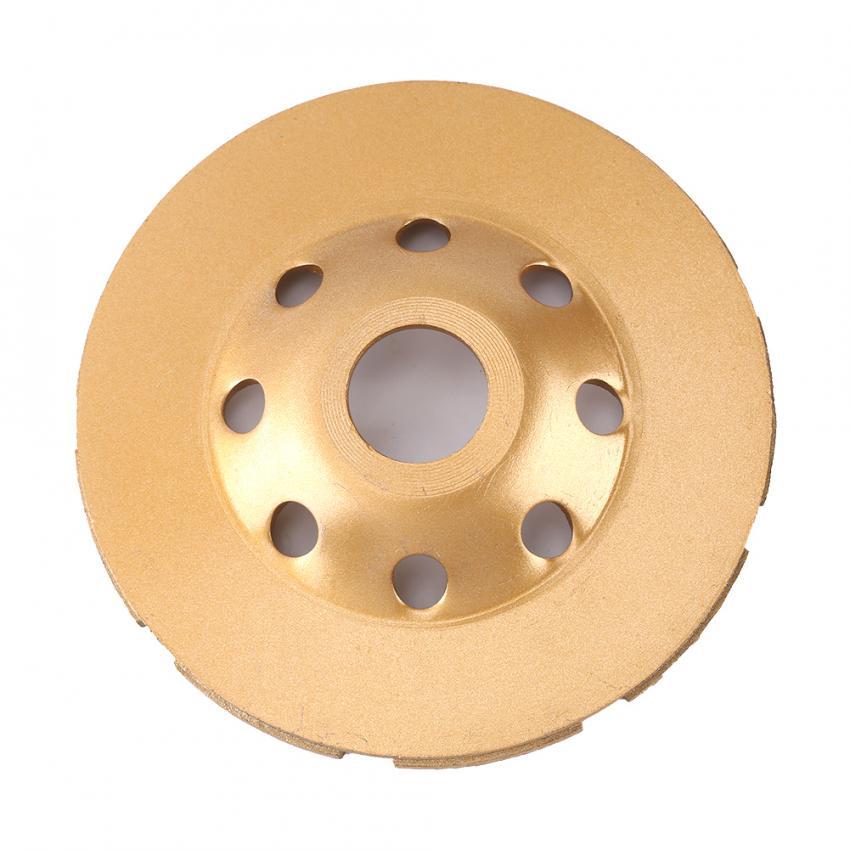
At its core, gold plated refers to a material (usually a base metal like copper, brass, or silver) that has a thin layer of real gold applied to its surface. The key here is that the gold is only a coating—the majority of the item is made from another, less expensive metal.
This process allows manufacturers to create products that have the appearance of gold at a fraction of the cost of solid gold. The thickness of the gold layer can vary, but it’s typically measured in microns (one micron is one-millionth of a meter). For example, many gold-plated jewelry pieces have a gold layer between 0.5 and 5 microns thick.

Gold plating is achieved through a technique called electroplating, which uses an electric current to bond a thin layer of gold to the base metal. Here’s a simplified breakdown of the steps:
2.1 Preparation of the Base Metal
First, the base metal (e.g., brass) is cleaned thoroughly to remove any dirt, oils, or oxides. This ensures the gold layer adheres properly. Sometimes, a “strike layer” of another metal (like nickel) is applied first to improve adhesion, especially if the base metal is prone to reacting with gold.
2.2 The Electroplating Bath
The cleaned base metal is then submerged in a solution containing dissolved gold ions. An electric current is passed through the solution, causing the gold ions to be drawn to the base metal. Over time, these ions accumulate on the surface, forming a thin, even layer of gold.
2.3 Finishing Touches
Once the desired thickness is achieved, the item is removed from the bath, rinsed, and polished to enhance its shine. The result is a piece that looks like solid gold but is much lighter and more affordable.
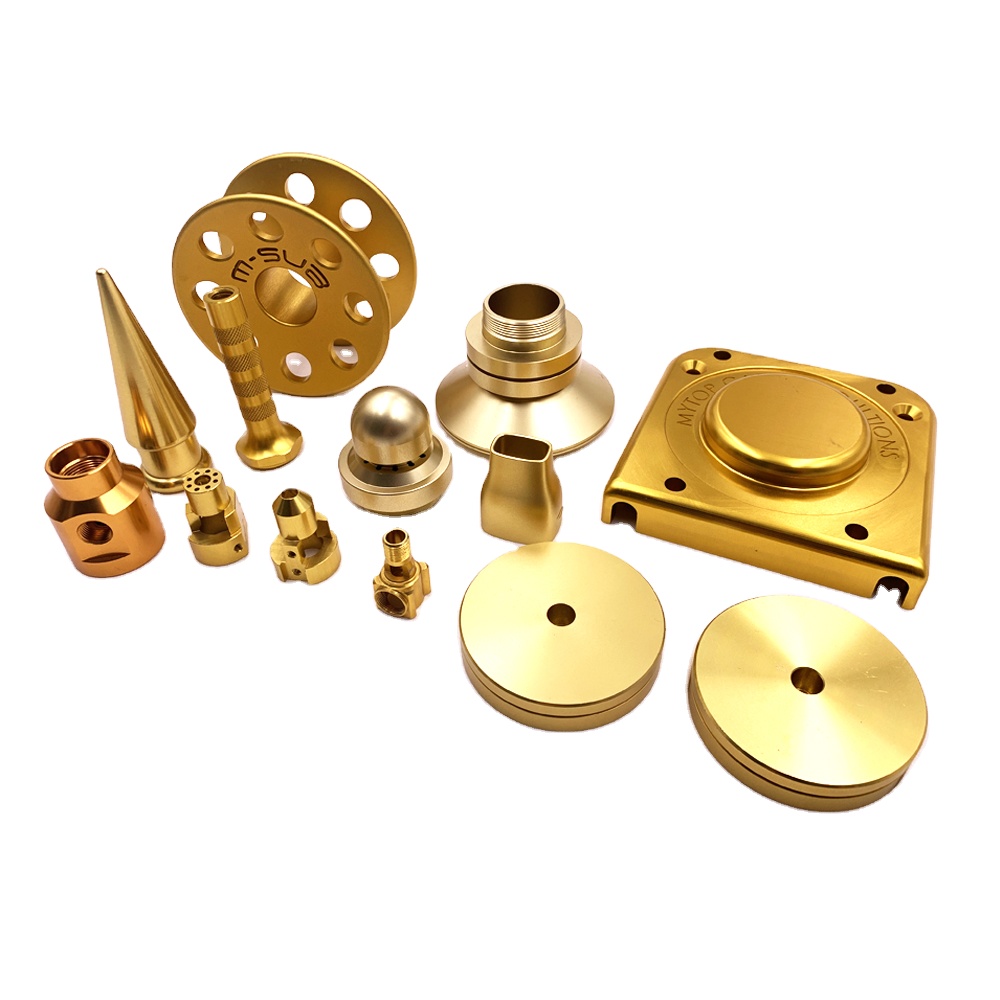
It’s easy to confuse “gold plated” with other terms like “gold filled,” “vermeil,” or “solid gold.” Here’s how they differ:
3.1 Gold Filled
Gold filled items have a much thicker layer of gold than gold plated ones—usually 5% or more of the total weight. The gold is bonded to the base metal through heat and pressure, making it more durable and longer-lasting than gold plating. It’s often marked with a karatage (e.g., “14k GF”).
3.2 Vermeil
Vermeil (pronounced “ver-may”) is a type of gold plating with specific standards: the base metal must be sterling silver, and the gold layer must be at least 2.5 microns thick and of 10k purity or higher. It’s popular in jewelry for its bright, durable finish.
3.3 Solid Gold
Solid gold items are made entirely of gold (or an alloy of gold and other metals, like copper or silver). They are marked with a karatage (e.g., 18k, 14k) to indicate the purity of the gold (18k is 75% gold, 14k is 58.3%). Solid gold is much more expensive and heavier than gold plated items.
Gold plating is used in a wide range of products, thanks to its combination of beauty and affordability:
- Jewelry: Necklaces, rings, earrings, and bracelets often use gold plating to mimic the look of solid gold without the high cost.
- Electronics: Some connectors, switches, and circuit boards are gold plated because gold is an excellent conductor of electricity and resists corrosion.
- Home Decor: Items like picture frames, candle holders, and cutlery may feature gold plating to add a touch of elegance.
- Fashion Accessories: Belts, watch bands, and even sunglasses sometimes use gold plating for a luxurious appearance.
Conclusion
In short, “gold plated” means an item has a thin layer of real gold applied to a base metal via electroplating. It offers the aesthetic appeal of gold at a lower price but is less durable than solid gold, gold filled, or vermeil. Whether you’re buying jewelry or electronics, understanding this term can help you make informed decisions about value and quality.
Does Gold Plated Turn Green
What Is Gold Plated Jewelry: A Complete Guide
Related Article

Fast sampling is the fastest way to win business in the hardware machining and plastic mold industries. Customers want a working sample in days, and a 3D printer delivers it, but only when you know how to print in 3d correctly.
how to print in 3d

Fast sampling is the fastest way to win business in the hardware machining and plastic mold industries. Customers often send an STL file and expect a working sample in days.
how to print an stl file

