
What Do 3D Printers Print? A Guide for Hardware & Plastic Mold Fast Sampling
Author: SZTC
2026-04-02


Samuel Song Your service representative
Specializing in zinc-aluminum-magnesium alloy die-casting processing, CNC milling, CNC turning, 3D printing, injection molding and sheet metal processing. Manufacturing services.
-----------------------------------------------------------------------------------------------------------------------------------------------------------------------------------------------------------------------------------------------------------------------------------------------------------------------------------------------
For manufacturers in the hardware processing and plastic mold industries, 3D printing has become an indispensable tool for fast, cost-effective prototyping. Yet one practical question remains top of mind for many engineering and production teams: what do 3D printers print, especially when it comes to meeting the industrial-grade needs of hardware metal parts and plastic mold samples?
Unlike consumer-grade 3D printers that produce small crafts or hobby items, industrial 3D printers are designed to print functional, high-precision parts tailored to manufacturing needs. This blog will answer what do 3D printers print by focusing on the specific, industry-relevant items—all tied to fast sampling—that hardware and plastic mold manufacturers rely on. We’ll break down the categories, materials, and use cases to clarify exactly what 3D printers can produce for your business.
1. What Do 3D Printers Print for the Hardware Processing Industry?
In hardware processing, 3D printers are primarily used to print functional metal samples and small-batch parts—critical for accelerating product development and design validation. When asking what do 3D printers print for this industry, the answer centers on metal components that meet strength, precision, and durability standards.
1.1 Functional Metal Hardware Prototypes
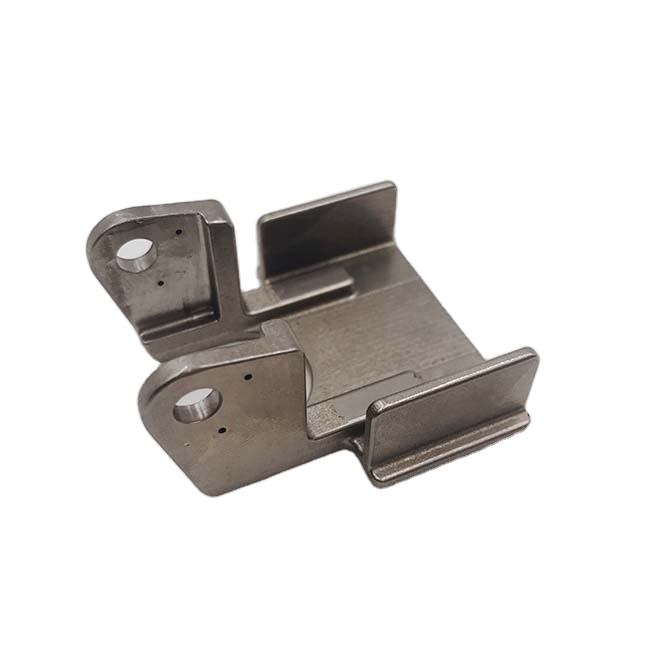
The most common answer to what do 3D printers print for hardware processing is functional metal prototypes. These are not just decorative models—they are testable, high-strength parts that mimic the performance of mass-produced hardware. Industrial 3D printers (using SLM/DMLS technology) print these prototypes using industrial-grade metals, including:
-
Stainless Steel Parts: Brackets, fasteners, connectors, and guide pillars—used in machinery, automotive, and industrial equipment. 3D printed stainless steel prototypes (e.g., 17-4PH) have a hardness of 40-45HRC after heat treatment, suitable for fit and load-bearing tests.
-
Aluminum Alloy Parts: Lightweight components like heat sinks, small mechanical fittings, and aerospace hardware. 3D printed aluminum (e.g., AlSi10Mg) balances strength and weight, ideal for prototypes that require portability without sacrificing durability.
-
Mold Steel Parts: Tooling components like mold inserts, punches, and dies—used in hardware mold manufacturing. H13 hot-work mold steel prototypes, printed with 3D technology, can withstand high temperatures and wear, making them perfect for testing mold performance.
These prototypes are printed in 6-24 hours, allowing engineers to test dimensional accuracy, structural strength, and fit before investing in mass production tooling.
1.2 Custom & Complex Hardware Components
Another key answer to what do 3D printers print for hardware processing is custom and complex components that traditional CNC machining cannot easily produce. 3D printing’s layer-by-layer technology enables the creation of parts with intricate geometries, such as:
-
Hollow or Lattice-Structure Parts: Lightweight but strong hardware components (e.g., industrial brackets, robotic arms) that reduce material use and weight by 30% or more.
-
Special-Shaped Fittings: Custom hardware for heavy machinery, construction equipment, or niche industries—one-off or small-batch parts that would be cost-prohibitive to machine with traditional tools.
-
Integrated Components: Multi-part hardware assemblies printed as a single piece, eliminating the need for assembly and reducing the risk of failure.
1.3 Hardware Tooling & Fixture Samples
3D printers also print tooling and fixture samples for hardware processing. These are auxiliary parts that help streamline production, such as custom jigs to hold hardware during machining, alignment fixtures for assembly, or small tool holders. These samples are printed quickly (4-12 hours) and at low cost, allowing manufacturers to test tooling designs before producing full-scale, durable versions.
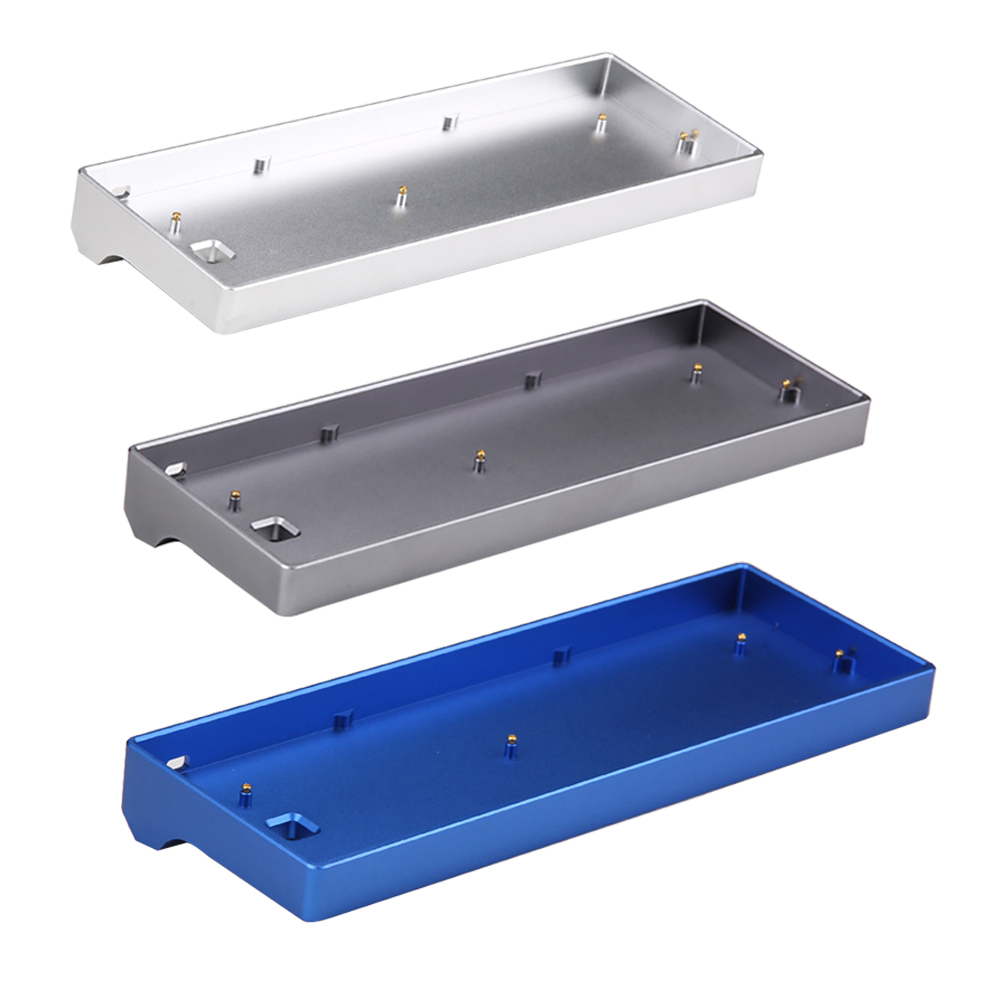
2. What Do 3D Printers Print for the Plastic Mold Industry?
In the plastic mold industry, 3D printers focus on printing mold-related parts and plastic prototypes—all designed to speed up mold development and reduce risk. When asking what do 3D printers print here, the answer revolves around trial molds, mold components, and plastic samples that support fast design validation.
2.1 Rapid Trial Molds & Mold Inserts
The primary item 3D printers print for plastic mold manufacturers is rapid trial molds and mold inserts. Traditional steel mold opening takes 2-4 weeks, but 3D printers produce trial molds in 4-12 hours using high-temperature resistant materials, including:
-
High-Temp Resin Mold Inserts: Precision cavity inserts, mold cores, and slider parts that can withstand preliminary injection molding tests (temperatures up to 150℃). These allow designers to verify draft angles, part release, and cooling efficiency before investing in expensive steel molds.
-
Engineering Plastic Trial Molds: Full trial molds for small-batch injection testing, printed with glass-filled nylons or PEEK. These molds are durable enough for 50-100 injection cycles, making them ideal for validating mold designs.
Printing trial molds and inserts eliminates the risk of costly rework and shortens mold development cycles by 50% or more.
2.2 Complex Mold Structures
3D printers excel at printing complex mold structures that traditional machining cannot achieve—another key answer to what do 3D printers print for plastic molds. These include:
-
Conformal Cooling Channels: Mold parts with internal cooling channels that follow the shape of the mold cavity, reducing injection molding cycles by 20-40% and improving product surface quality.
-
Undercut Mold Components: Intricate mold parts with undercuts or internal features that are impossible to machine with traditional tools, enabling the production of complex plastic products.
-
Integrated Mold Assemblies: Multi-part mold components printed as a single piece, reducing assembly time and improving mold precision.
2.3 Plastic Product Prototypes
3D printers also print plastic product prototypes for mold manufacturers and their clients. These are physical samples of the final plastic product (e.g., consumer electronics casings, automotive parts, medical devices) that are used for client approval, design validation, and market testing. Printed using resin or engineering plastics (ABS, PC, PP), these prototypes match the appearance and basic performance of the final product, allowing clients to visualize and test the product before mold development.
3. Common Misconceptions: What 3D Printers Do NOT Print (For Industrial Use)
To fully answer what do 3D printers print, it’s also important to clarify what they cannot print—especially for hardware and plastic mold industries, where precision and durability are non-negotiable.
3.1 Mass-Produced High-Volume Parts
3D printers are ideal for fast sampling and small-batch production (1-100 pieces), but they are not designed for high-volume mass production (1000+ pieces). For large-scale hardware or plastic parts, traditional manufacturing methods (CNC machining, injection molding) are more cost-effective and efficient.
3.2 Low-Quality Consumer-Grade Parts
Industrial 3D printers do not print low-quality, fragile parts like consumer-grade 3D printers (which use PLA or basic ABS). Instead, they print industrial-grade parts with high precision, strength, and durability—meeting the strict standards of hardware and plastic mold industries.
3.3 Non-Industrial Materials
For hardware and mold use, 3D printers do not print with non-industrial materials (e.g., clay, basic plastics). They use specialized materials like metal powders, high-temp resins, and engineering plastics that are tailored to industrial performance requirements.
Final Recap: To answer what do 3D printers print for the hardware processing and plastic mold industries, the core is functional, industrial-grade parts tied to fast sampling. For hardware, they print metal prototypes, custom complex components, and tooling fixtures. For plastic molds, they print trial molds, complex mold structures, and plastic product prototypes. These printed items are designed to speed up design validation, reduce costs, and minimize risk—making 3D printing an essential tool for modern hardware and mold manufacturers. Understanding exactly what 3D printers can print helps you leverage this technology to streamline your sampling process and stay competitive.
What Does 3D Printers Print? A Guide for Hardware & Plastic Mold Fast Sampling
What Are Some 3D Printing Websites? A Guide for Hardware & Plastic Mold Fast Sampling
Related Article

Fast sampling is the fastest way to win business in the hardware machining and plastic mold industries. Customers want a working sample in days, and a 3D printer delivers it, but only when you know how to print in 3d correctly.
how to print in 3d

Fast sampling is the fastest way to win business in the hardware machining and plastic mold industries. Customers often send an STL file and expect a working sample in days.
how to print an stl file

