
What Can You 3D Print for Mold and Hardware Rapid Sampling
Author: SZTC
2026-08-07


Samuel Song Your service representative
Specializing in zinc-aluminum-magnesium alloy die-casting processing, CNC milling, CNC turning, 3D printing, injection molding and sheet metal processing. Manufacturing services.
-----------------------------------------------------------------------------------------------------------------------------------------------------------------------------------------------------------------------------------------------------------------------------------------------------------------------------------------------
3D printing has become a standard solution for fast prototyping in plastic mold and hardware processing industries. Many factory designers and technicians frequently ask what can you 3D print to support daily sampling and testing work. With diverse printable materials and mature printing technologies, modern 3D printers can produce various industrial parts to replace traditional trial machining and accelerate product iteration.

1. Print Plastic Mold Prototype Parts
The most common answer to what can you 3D print in manufacturing is functional plastic mold samples.
1.1 Mold Cavity and Structural Prototypes
You can 3D print detailed mold cavities, thin-wall mold structures and complex groove prototypes. These high-precision samples allow engineers to verify structural rationality, check assembly gaps and identify design flaws before formal mold manufacturing, avoiding costly mold modifications.
1.2 Appearance and Trial Mold Components
You can also produce appearance verification molds and small auxiliary mold parts. These printed components help customers confirm product outlines and surface effects quickly, greatly shortening mold design confirmation cycles.
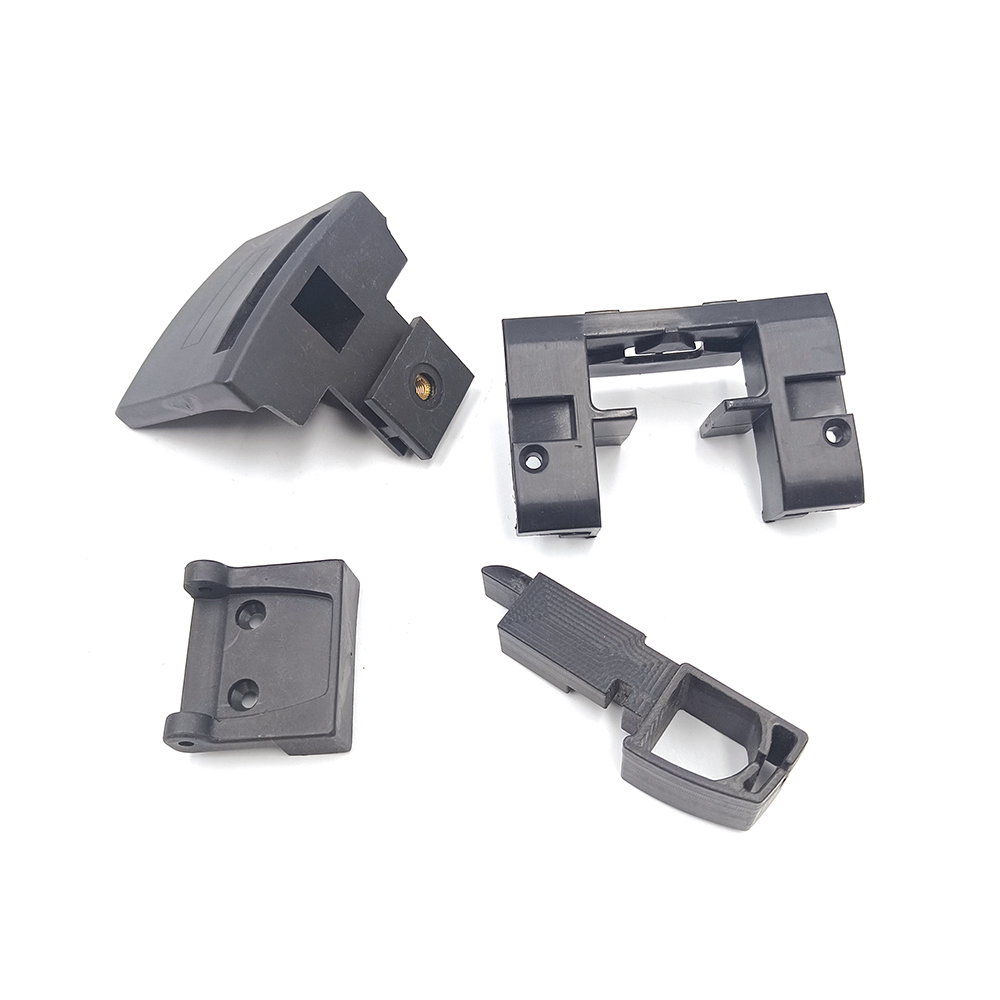
2. Print Custom Hardware Industrial Parts
When exploring what can you 3D print, customized hardware parts are highly practical for workshop production.
2.2 Processing Jigs and Fixtures
You can print reusable positioning jigs, assembly fixtures and detection tools. These tailor-made auxiliary parts improve clamping accuracy and processing efficiency for hardware batch production and mold testing.

3. Print Functional Parts for Trial Testing
A complete answer to what can you 3D print also covers functional industrial trial products.
3.1 Small-Batch Trial Products
You can 3D print small-batch finished plastic and hardware parts for market testing and functional verification. It eliminates the need for early high-cost mold opening, making low-volume trial production economical and efficient.
3.2 Wear-Resistant Functional Components
With engineering and metal printing materials, you can produce high-strength, wear-resistant parts that meet actual mechanical testing standards. These samples can withstand assembly extrusion and long-term friction tests for industrial validation.
In short, understanding what can you 3D print empowers mold and hardware factories to make full use of additive manufacturing. It covers mold prototypes, custom hardware tools and functional trial parts, bringing efficient and low-cost solutions for modern industrial rapid sampling.
What Can You Do With 3D Printing in Mold and Hardware Manufacturing
What Can a 3D Printer Do for Mold and Hardware Rapid Sampling
Related Article

Machine parts are essential crafting materials in Fortnite: Save the World. They are used to craft weapons and traps, so running short can slow down mission progress.
what is the meaning of machining?
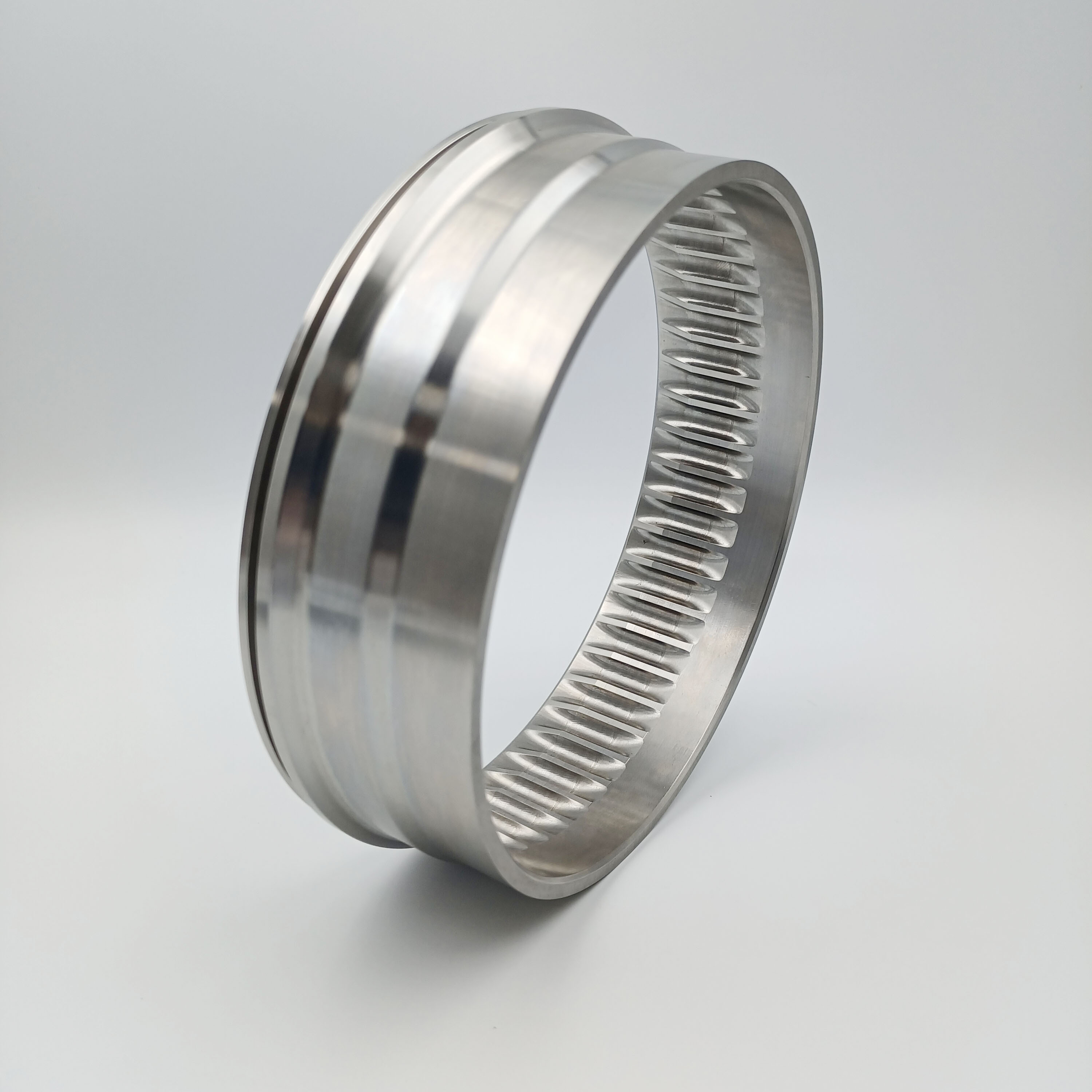
In hardware machining and plastic mold manufacturing, machines use rotating, cutting, pressing, and moving components to shape materials. These parts can create serious hazards if workers come into contact with them during operation.
what is machining?
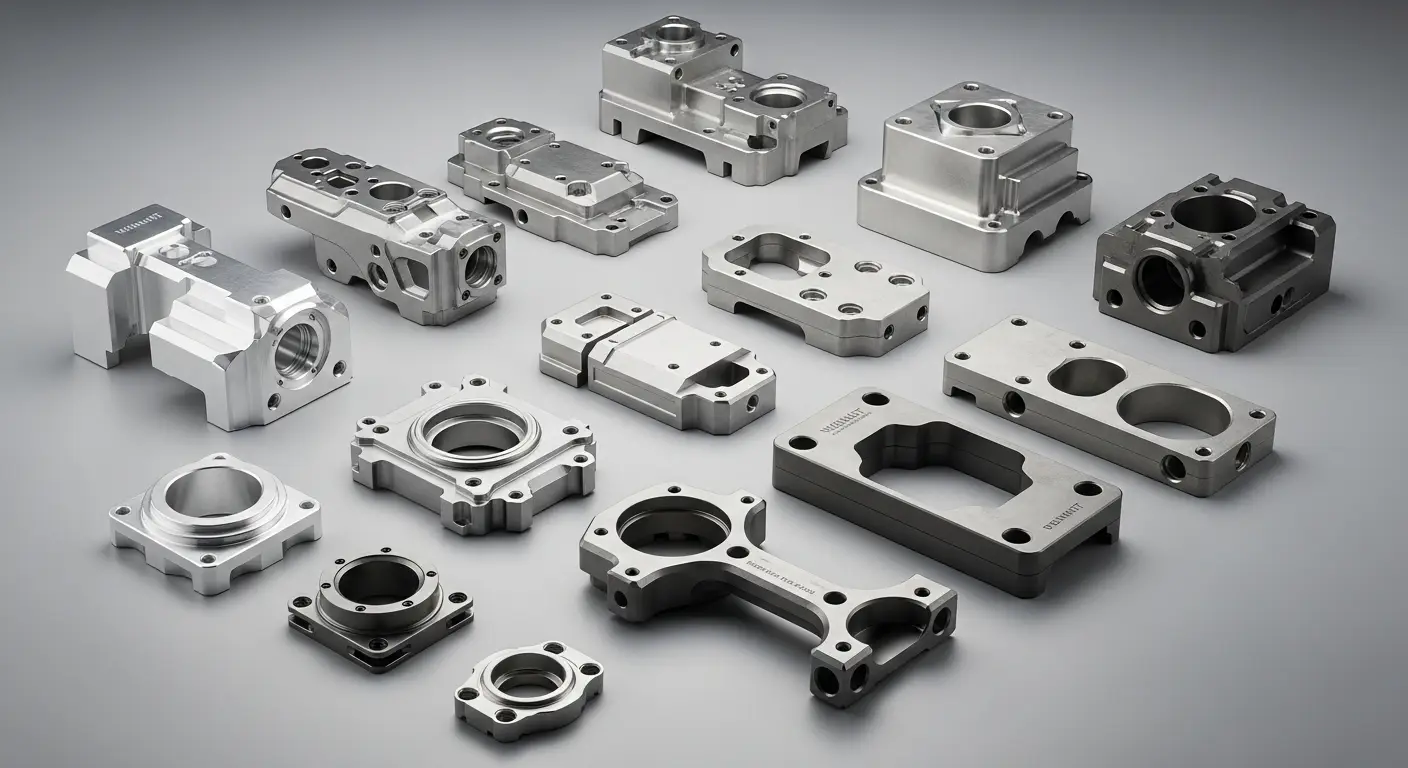
Machine parts are essential crafting materials in Fortnite: Save the World. They are used to craft weapons and traps, so running short can slow down mission progress.
how to collect machine parts in save the world?
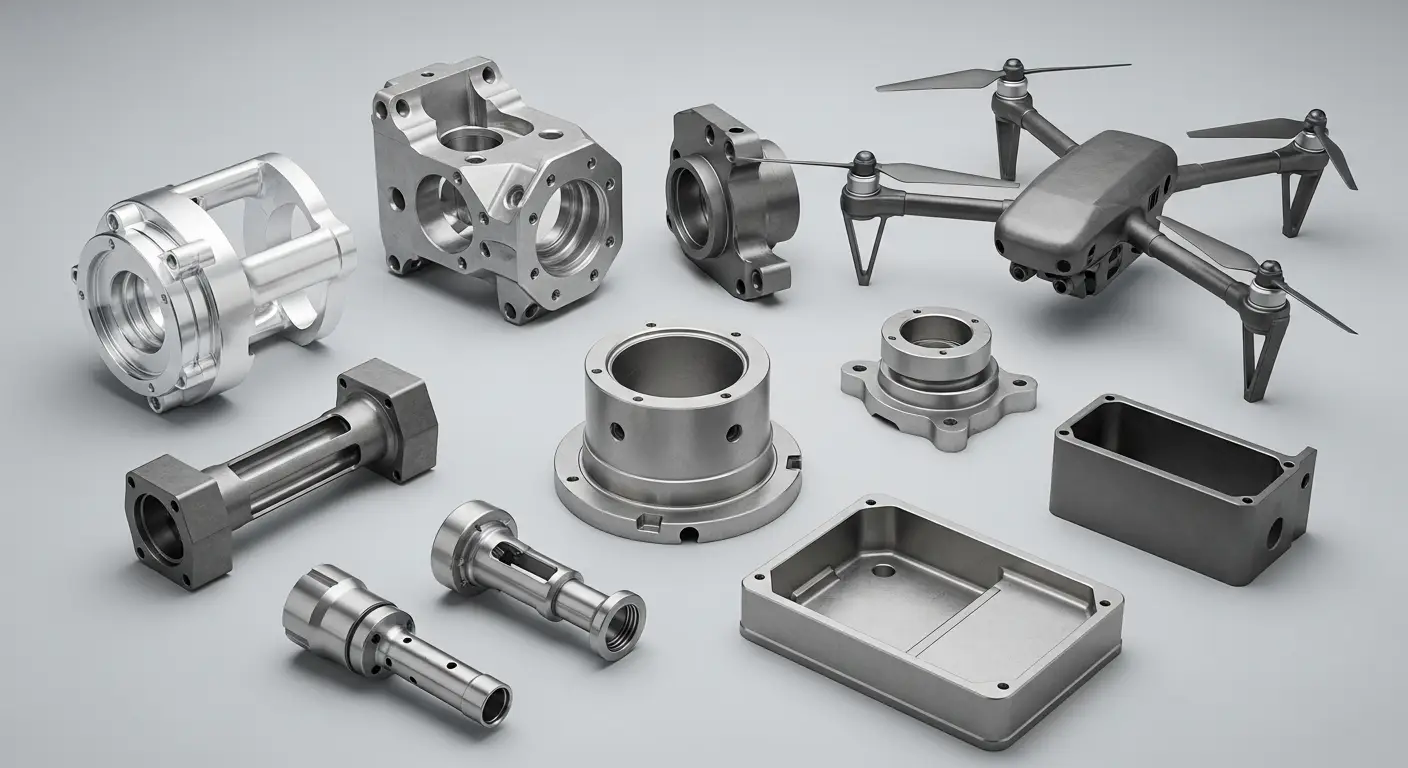
In hardware machining and plastic mold manufacturing, machines use rotating, cutting, pressing, and moving components to shape materials. These parts can create serious hazards if workers come into contact with them during operation.
which of the following machine parts always require guards?