
What Can a CNC Machine Do?
Author: SZTC
2025-06-05
In the ever-evolving landscape of modern manufacturing, Computer Numerical Control (CNC) machines have emerged as transformative tools, revolutionizing the way products are designed and produced. These automated devices, guided by pre-programmed software, offer unparalleled precision, efficiency, and versatility. Let’s explore the diverse capabilities of CNC machines across various industries.

One of the most remarkable capabilities of CNC machines lies in their ability to execute precision machining with extreme accuracy. Traditional manual machining is prone to human error, which can lead to inconsistencies in the final product. In contrast, CNC machines can consistently produce parts with tolerances as tight as 0.001 millimeters. They are capable of performing operations such as milling, turning, drilling, and grinding on a wide range of materials, including metals, plastics, and composites. For instance, in the aerospace industry, CNC machines are used to manufacture intricate components like turbine blades, which require high precision to ensure optimal performance and safety.
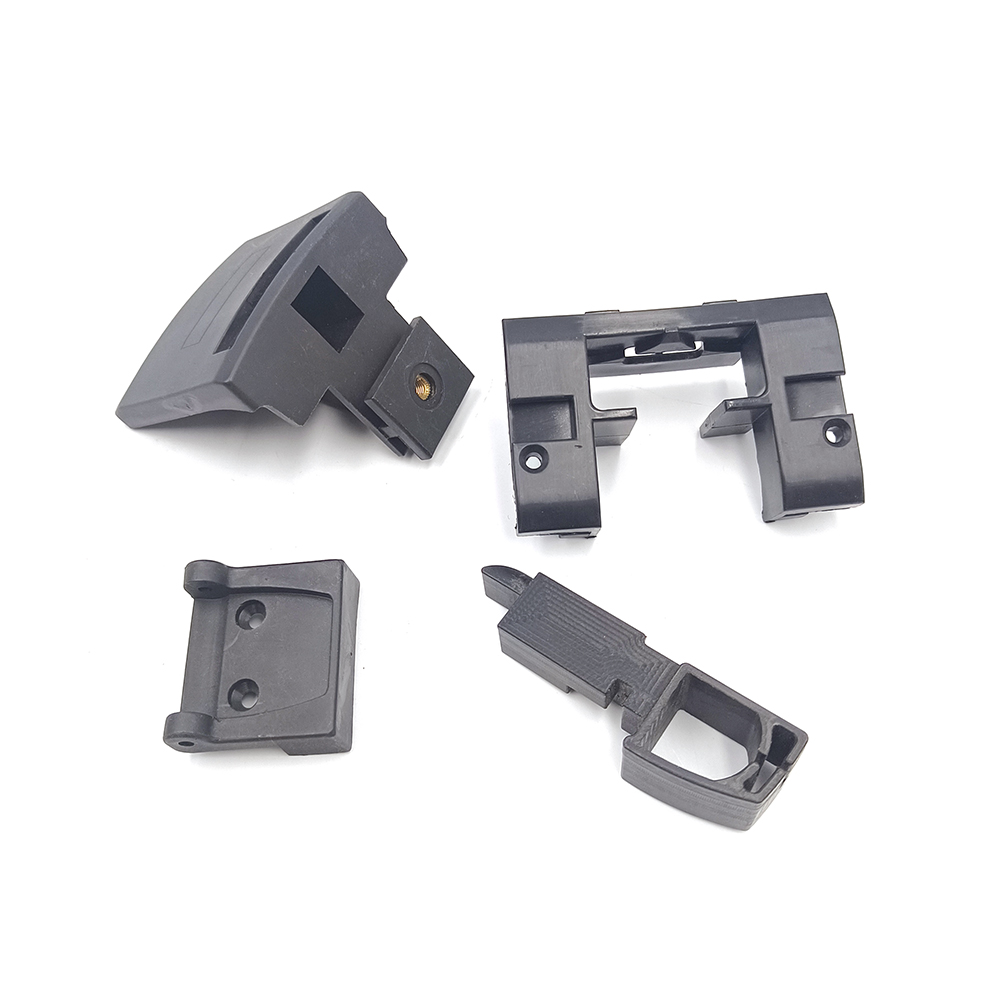
CNC machines play a crucial role in rapid prototyping, enabling designers and engineers to quickly transform their ideas into physical models. By using CAD (Computer-Aided Design) software to create a digital model, CNC machines can rapidly produce prototypes with a high level of detail and accuracy. This iterative process allows for design modifications and improvements to be made in a timely manner, significantly reducing the time and cost associated with traditional prototyping methods. In the automotive industry, for example, CNC - machined prototypes are used to test the fit, form, and function of new parts before mass production, ensuring that potential issues are identified and resolved early in the development cycle.

Customization and Batch Production
CNC machines offer the flexibility to produce both customized and batch-manufactured products. For customized items, operators can simply input unique design specifications into the CNC software, and the machine will produce a one-of-a-kind product. This is particularly valuable in industries such as jewelry making and woodworking, where personalized designs are highly sought after. On the other hand, for batch production, once the program is set up, CNC machines can reproduce the same part repeatedly with consistent quality, making them ideal for mass manufacturing. This combination of customization and batch production capabilities makes CNC machines suitable for a wide range of manufacturing needs, from small-scale artisanal production to large-scale industrial operations.

Specialized Machining and Surface Finishing
CNC machines can also perform specialized machining operations and achieve high-quality surface finishes. Electro-discharge machining (EDM), for example, is a process where CNC machines use electrical discharges to erode materials, allowing for the creation of complex shapes and cavities that are difficult to achieve through traditional machining methods. Additionally, CNC machines can be equipped with various attachments and tools to perform surface finishing operations such as polishing, lapping, and honing, enhancing the aesthetic appeal and functionality of the final product. In the medical device industry, where smooth and precise surface finishes are critical for patient safety and device performance, CNC machines are widely used to manufacture implants and surgical instruments.
In conclusion, CNC machines have become indispensable in modern manufacturing due to their wide-ranging capabilities. From precision machining of complex components to rapid prototyping, customization, and specialized operations, these machines continue to drive innovation and efficiency across numerous industries. As technology continues to advance, the potential applications of CNC machines are only set to expand further.
What Can I Do with a CNC Machine?
Is CNC Machining a Good Career
Related Article

Fast sampling is the fastest way to win business in the hardware machining and plastic mold industries. Customers want a working sample in days, and a 3D printer delivers it, but only when you know how to print in 3d correctly.
how to print in 3d

Fast sampling is the fastest way to win business in the hardware machining and plastic mold industries. Customers often send an STL file and expect a working sample in days.
how to print an stl file

