
What Can a 3D Printer Do for Mold and Hardware Rapid Sampling
Author: SZTC
2026-08-07


Samuel Song Your service representative
Specializing in zinc-aluminum-magnesium alloy die-casting processing, CNC milling, CNC turning, 3D printing, injection molding and sheet metal processing. Manufacturing services.
-----------------------------------------------------------------------------------------------------------------------------------------------------------------------------------------------------------------------------------------------------------------------------------------------------------------------------------------------
Modern plastic mold and hardware processing industries rely heavily on fast prototyping to speed up product development. Many workshop technicians and designers constantly wonder what can a 3D printer do to improve traditional manufacturing workflows. A single 3D printer offers powerful functions for rapid sampling, custom fabrication and cost reduction, bringing huge upgrades to industrial trial production.

1. Deliver High-Precision Industrial Prototypes
The most fundamental answer to what can a 3D printer do is producing reliable industrial prototypes for manufacturing verification.
1.1 Simulate Plastic Mold Structures
A 3D printer can accurately replicate complex mold cavities, thin-wall structures and intricate surface details. Manufacturers can test mold fit, check structural defects and verify design rationality before formal mold opening, avoiding costly machining errors and mold rework.
1.2 Produce Custom Hardware Samples
It can print non-standard hardware parts, special-shaped fixtures and functional mechanical prototypes. Unlike rigid traditional cutting processes, it supports flexible customization to meet diverse trial production needs for hardware processing projects.
A 3D printer can rapidly produce personalized jigs, clamping tools and detection fixtures. These customized accessories improve positioning accuracy during mold testing and hardware assembly, greatly boosting workshop working efficiency.
2.2 Support Small-Batch Trial Runs
It can complete low-volume production of qualified mold accessories and small hardware parts. This eliminates the need for early large-scale mold investment, making small-batch trial production affordable and time-saving.

3. Optimize Industrial R&D and Costs
Understanding what can a 3D printer do helps factories achieve efficient and low-cost operation.
3.1 Shorten Product Iteration Cycles
A 3D printer can finish sample production in several hours, far faster than traditional CNC machining. Designers can modify models and iterate samples repeatedly, accelerating new product research and market launch.
3.2 Reduce Production Waste and Expenses
As an additive device, it only consumes necessary materials with minimal waste. It effectively cuts sampling costs, lowers rework rates and optimizes the overall profit margin of mold and hardware manufacturing projects.
In conclusion, fully understanding what can a 3D printer do allows mold and hardware factories to maximize the value of additive manufacturing. It serves as a core tool for efficient, flexible and economical industrial rapid sampling and product iteration.
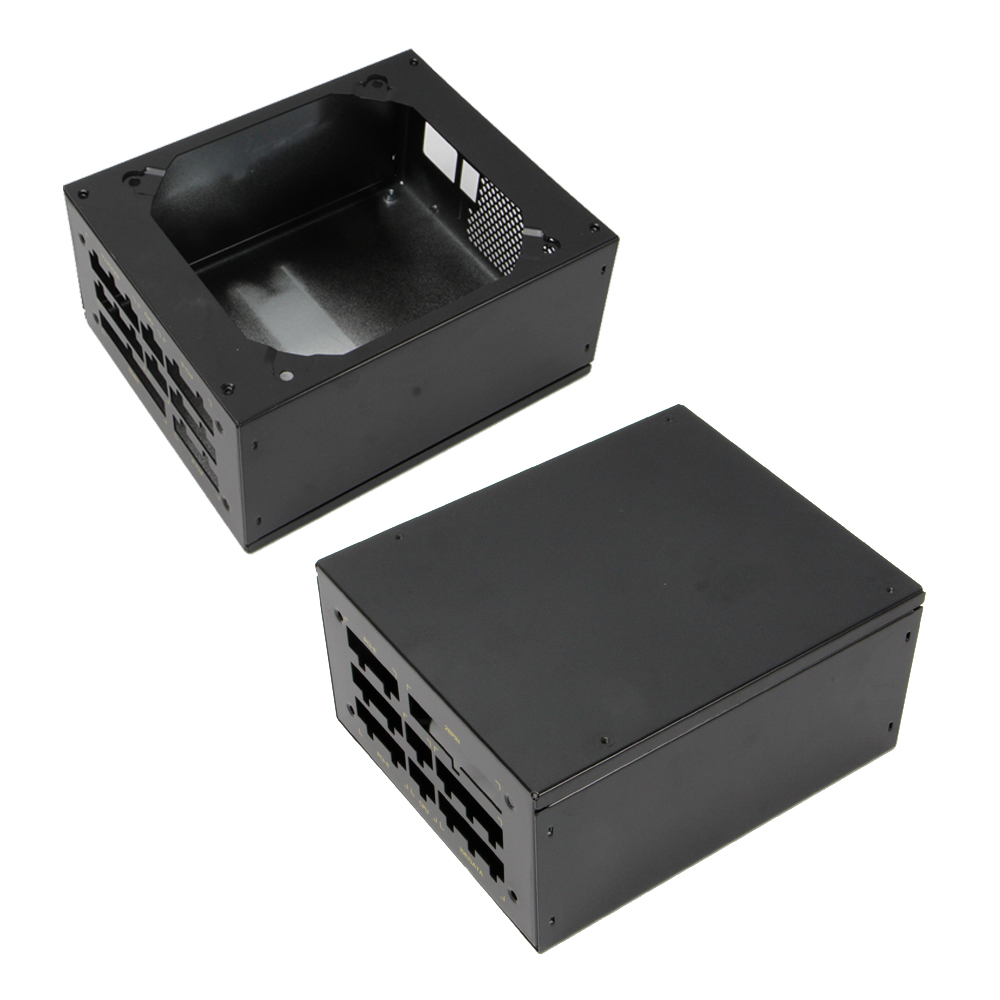
What Can You 3D Print for Mold and Hardware Rapid Sampling
What Can 3D Printers Do for Mold and Hardware Rapid Sampling
Related Article

Machine parts are essential crafting materials in Fortnite: Save the World. They are used to craft weapons and traps, so running short can slow down mission progress.
what is the meaning of machining?
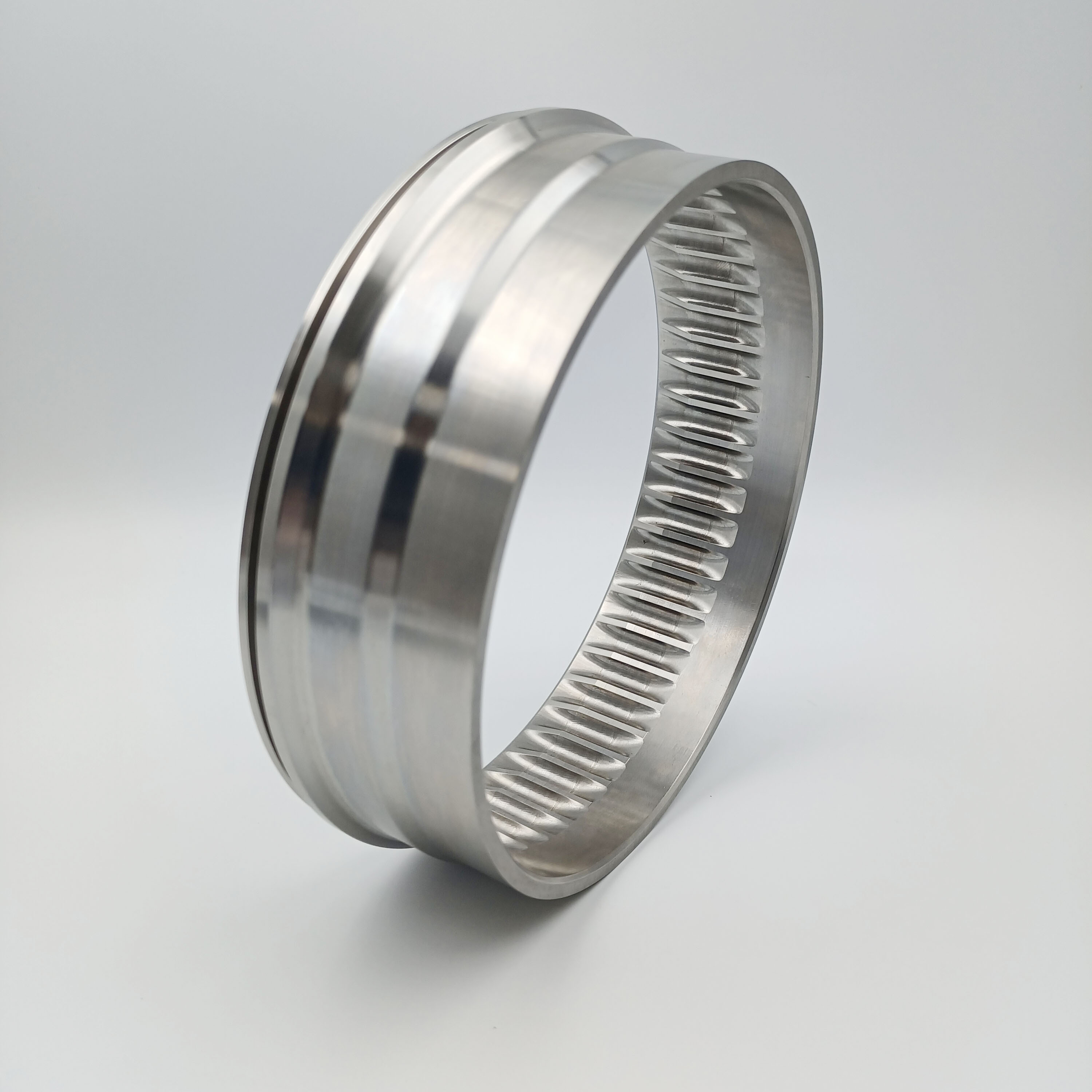
In hardware machining and plastic mold manufacturing, machines use rotating, cutting, pressing, and moving components to shape materials. These parts can create serious hazards if workers come into contact with them during operation.
what is machining?
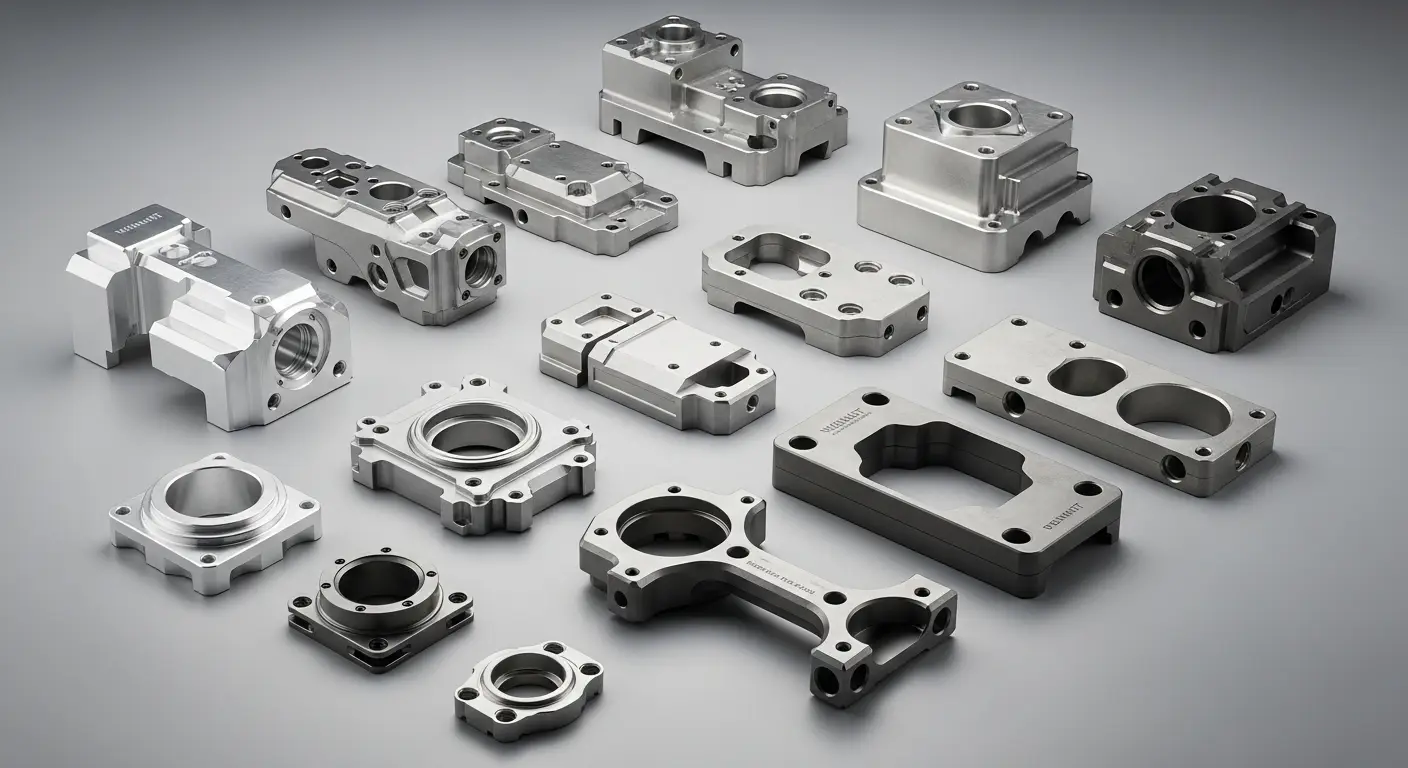
Machine parts are essential crafting materials in Fortnite: Save the World. They are used to craft weapons and traps, so running short can slow down mission progress.
how to collect machine parts in save the world?
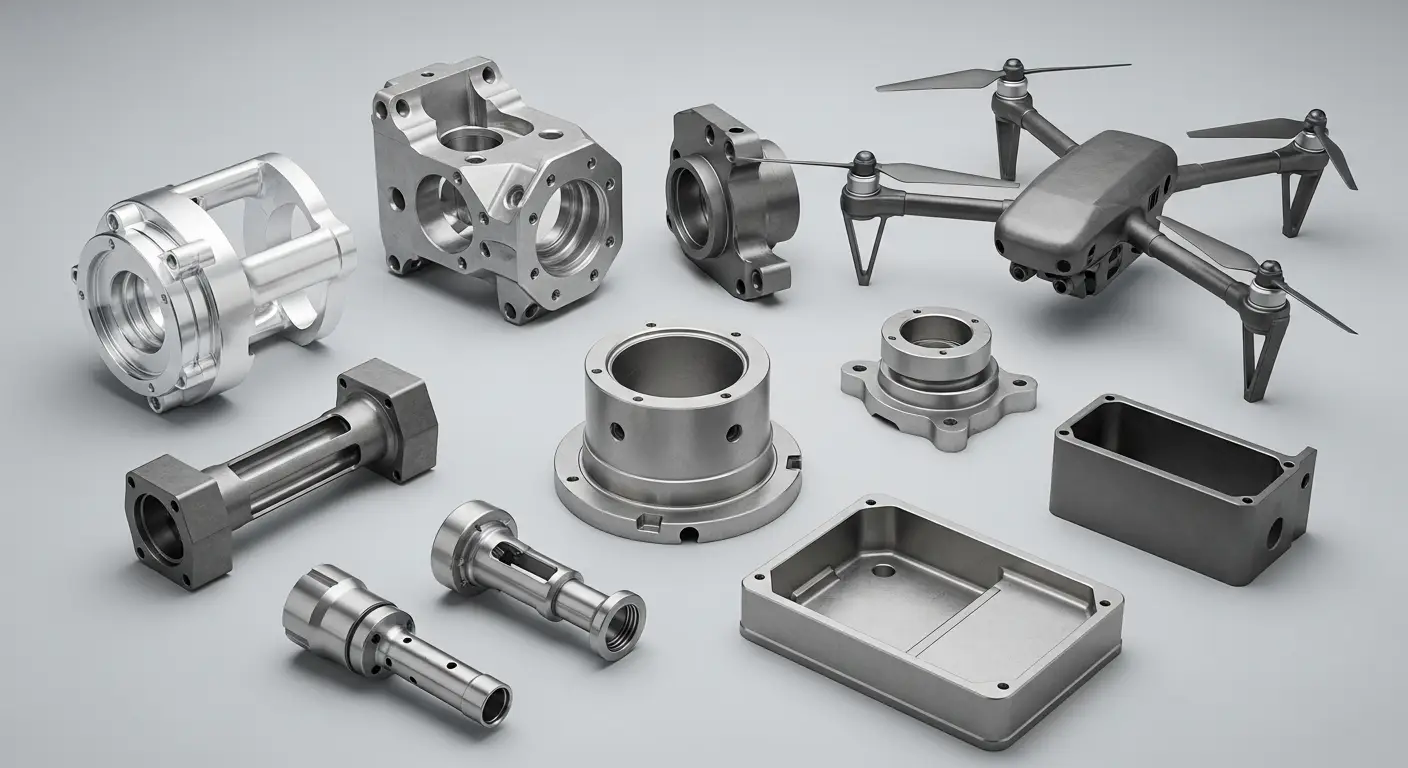
In hardware machining and plastic mold manufacturing, machines use rotating, cutting, pressing, and moving components to shape materials. These parts can create serious hazards if workers come into contact with them during operation.
which of the following machine parts always require guards?