
What Are 3D Printers? A Complete Guide for Hardware & Plastic Processing Professionals
Author: SZTC
2026-03-19


Samuel Song Your service representative
Specializing in zinc-aluminum-magnesium alloy die-casting processing, CNC milling, CNC turning, 3D printing, injection molding and sheet metal processing. Manufacturing services.
-----------------------------------------------------------------------------------------------------------------------------------------------------------------------------------------------------------------------------------------------------------------------------------------------------------------------------------------------
In the hardware and plastic processing industry, traditional manufacturing methods like injection molding, CNC machining, and stamping have long dominated our production lines. But in recent years, 3D printers have emerged as a transformative tool, reshaping prototyping, small-batch production, and custom part manufacturing for businesses like ours. If you’re new to this technology or looking to deepen your industry-specific understanding, this guide will break down exactly what 3D printers are, how they operate, their core types, and their real-world value for plastic and metal hardware processing.
1. What Exactly Are 3D Printers? Core Definition & Core Concept
1.1 Basic Definition of 3D Printers
A 3D printer is an advanced computer-controlled manufacturing device that creates three-dimensional solid objects from a digital 3D model by depositing, curing, or fusing materials layer by layer. Also widely known as additive manufacturing equipment, it stands in direct contrast to the subtractive manufacturing methods we use daily in hardware and plastic processing—such as cutting, carving, or milling material away from a solid block of plastic, metal, or alloy.
Unlike traditional 2D printers that only print text and images on flat paper, 3D printers build tangible, functional parts with complex shapes, internal structures, and custom dimensions. For our industry, this means moving beyond the limitations of fixed molds and tooling to create physical components directly from CAD designs, which is a game-changer for prototyping and low-volume production.
1.2 Key Distinction: Additive Manufacturing vs. Subtractive Manufacturing
To fully grasp what 3D printers are, it’s critical to highlight the difference between additive and subtractive processes, as both play vital roles in hardware and plastic processing:
-
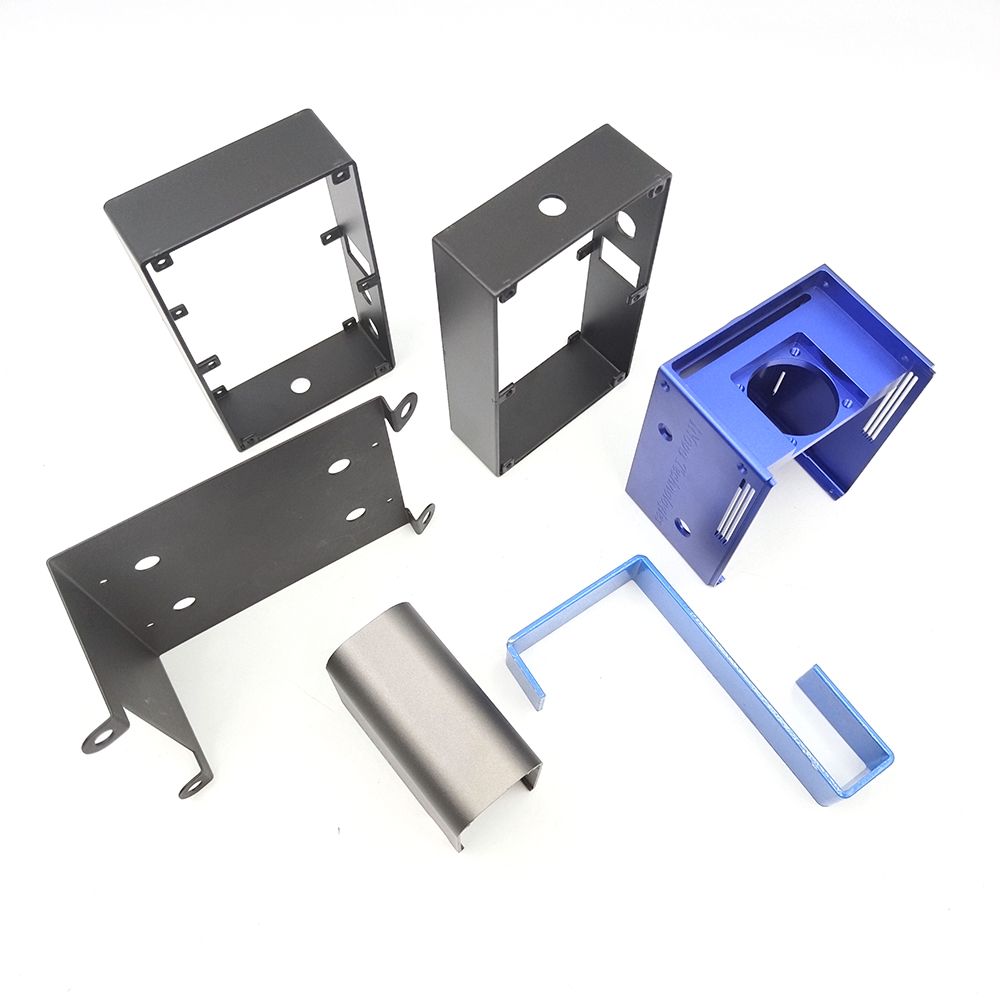
Subtractive Manufacturing (Traditional): Starts with a solid block of raw material (plastic resin, aluminum, steel, or ABS). We remove excess material using CNC machines, lathes, or cutting tools to form the final part. This method is ideal for mass production but requires expensive molds, long lead times, and generates significant material waste.
-
Additive Manufacturing (3D Printing): Starts with nothing and builds the part layer by thin layer, only using the exact amount of material needed. There’s almost no waste, no custom molds required, and complex geometries (like internal cavities, undercuts, and interlocking parts) that are impossible or costly to make with subtractive methods are easily achievable.
For plastic and hardware processing teams, 3D printers are not a replacement for traditional manufacturing but a powerful complementary tool that accelerates product development and expands production capabilities.
2. How Do 3D Printers Work? Step-by-Step Working Principle
2.1 Pre-Print Preparation: Digital Design & Slicing
Every 3D print job begins with a digital 3D model, typically created using CAD (Computer-Aided Design) software—tools we already use daily for plastic mold design and hardware part engineering. Once the model is finalized, it’s imported into slicing software, which divides the 3D object into hundreds or thousands of ultra-thin horizontal layers (usually 0.1mm to 0.3mm thick). The slicer then converts these layers into G-code, a set of precise instructions that tells the 3D printer exactly where to move, how much material to deposit, and at what temperature to operate.
2.2 Layer-by-Layer Printing Process
After loading the correct raw material (plastic filament, resin, metal powder, or composite materials compatible with hardware and plastic parts) into the printer, the machine executes the G-code instructions. The printer builds the object one layer at a time, starting from the bottom layer on the build platform. Each new layer bonds securely to the previous one, gradually forming the full 3D shape. This layer-by-layer approach is the defining feature of 3D printers and enables the creation of complex, custom parts without dedicated tooling.
2.3 Post-Processing (For Industrial-Grade Parts)
Once printing is complete, most parts require minor post-processing to meet hardware and plastic processing quality standards. This can include removing support structures (used for overhanging parts), sanding, polishing, heat treatment, or coating. For plastic parts, this step ensures smooth surface finishes matching injection-molded components; for metal hardware, it enhances strength and durability for functional use.
3. Common Types of 3D Printers for Hardware & Plastic Processing
3.1 FDM (Fused Deposition Modeling) Printers
FDM is the most widely used and cost-effective 3D printing technology for plastic processing applications. These printers melt thermoplastic filaments (such as PLA, ABS, PETG—common materials in our industry) and extrude the molten plastic through a heated nozzle, depositing it layer by layer onto the build platform. FDM printers are perfect for rapid prototyping of plastic components, jigs, fixtures, and low-volume non-critical hardware parts. They are easy to operate, maintain, and compatible with standard industrial plastics, making them a staple for small and medium-sized processing shops.
3.2 SLA (Stereolithography) & DLP (Digital Light Processing) Printers
SLA and DLP are resin-based 3D printers that produce high-precision, smooth-surfaced parts, ideal for detailed plastic prototypes, mold inserts, and small hardware components with tight tolerances. These printers use UV light to cure liquid photopolymer resin layer by layer, creating parts with far higher accuracy and finish than FDM. For our industry, they are perfect for testing form, fit, and function of plastic parts before investing in expensive injection molds, reducing mold modification costs and lead times significantly.
3.3 SLS (Selective Laser Sintering) Printers
SLS printers are industrial-grade machines designed for high-strength functional parts, using a laser to sinter (fuse) plastic or metal powder layer by layer. This technology requires no support structures, making it ideal for complex geometric hardware and plastic parts with internal channels. SLS is widely used in our industry for small-batch production of durable components, replacement parts, and functional prototypes that need to withstand mechanical stress, bridging the gap between prototyping and full-scale manufacturing.
4. Why 3D Printers Matter for Hardware & Plastic Processing Businesses
Now that we’ve defined what 3D printers are and how they work, their value to our industry is clear: they slash prototyping lead times from weeks to days, eliminate costly mold revisions, reduce material waste, and enable the production of custom, complex parts that traditional methods can’t efficiently produce. For hardware and plastic processors, 3D printers are a versatile tool that boosts innovation, cuts costs, and keeps businesses competitive in a fast-evolving manufacturing landscape.
Whether you’re exploring 3D printing for prototyping, small-batch production, or tooling improvements, understanding the core fundamentals of 3D printers is the first step to integrating this technology into your existing workflow. As additive manufacturing continues to advance, it will become an even more essential part of the modern hardware and plastic processing toolkit.
What Does 3D Printing Do? A Practical Guide for Hardware & Plastic Processing Professionals
What a 3D Printer Is: A Fast Sampling Tool for Hardware & Plastic Mold Industries
Related Article

Fast sampling is the fastest way to win business in the hardware machining and plastic mold industries. Customers want a working sample in days, and a 3D printer delivers it, but only when you know how to print in 3d correctly.
how to print in 3d

Fast sampling is the fastest way to win business in the hardware machining and plastic mold industries. Customers often send an STL file and expect a working sample in days.
how to print an stl file

