
How to evaluate whether the ejector stop block needs to be replaced?
Author: SZTC
2024-12-12
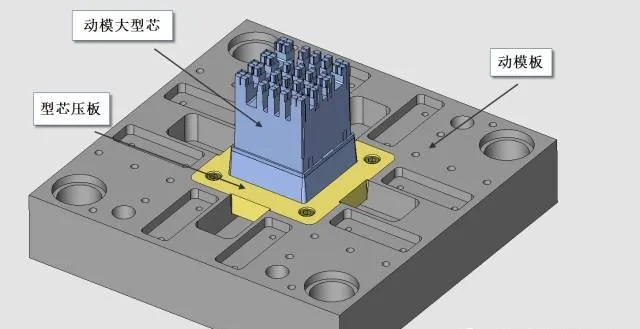
Wear degree: Check whether the ejector stop block has excessive wear. If the wear is severe, it may cause unstable ejection or inaccurate limit of the ejector, and it needs to be replaced.
Damage condition: Check whether the ejector stop block has obvious cracks, breaks or other damage. These damages may affect its function and should be replaced immediately once found.
Functional performance: If the ejector stop block cannot effectively limit the stroke of the ejector plate, or causes the ejector plate to fail to reset correctly, this indicates that the stop block may need to be replaced.
Mold working status: In daily mold inspection, if the mold's fixed template screws and pressure blocks are found to be loose, and the reset spring and ejector reset mechanism are ineffective, this may mean that the ejector stop block needs to be checked or replaced.
Maintenance cycle: According to the mold maintenance regulations, the mold should be inspected and maintained regularly. For the ejector stop block, it should be checked regularly according to the cumulative number of punches and usage. If problems are found, it needs to be replaced.
Production quality impact: If the product quality problem is found to be related to the ejector stopper of the mold during the production process, such as the product has defects such as white ejector, high ejector, and ejector injury, this may be a sign of functional failure of the ejector stopper and needs to be replaced.
Lubrication and cleaning: Check whether the ejector stopper is affected by lack of lubrication or excessive accumulation of dirt. If so, it may need to be cleaned or replaced.
In summary, to evaluate whether the ejector stopper needs to be replaced, it is necessary to comprehensively consider its degree of wear, damage, functional performance, mold working status, maintenance cycle, production quality impact, and lubrication and cleaning conditions. Through these inspections, it can be determined whether the ejector stopper needs to be replaced to ensure the normal operation of the mold and extend its service life.
What is the emergency repair process after mold failure?
Four questions about mold hot runners
Related Article

Fast sampling is the fastest way to win business in the hardware machining and plastic mold industries. Customers want a working sample in days, and a 3D printer delivers it, but only when you know how to print in 3d correctly.
how to print in 3d

Fast sampling is the fastest way to win business in the hardware machining and plastic mold industries. Customers often send an STL file and expect a working sample in days.
how to print an stl file

