
Who Makes Precision Chassis Parts?
Author: SZTC
2025-04-29
In the automotive world, precision chassis parts are the unsung heroes that ensure a vehicle's stability, handling, and safety. But who exactly is responsible for creating these crucial components? Let's explore the key players involved in the production of precision chassis parts.
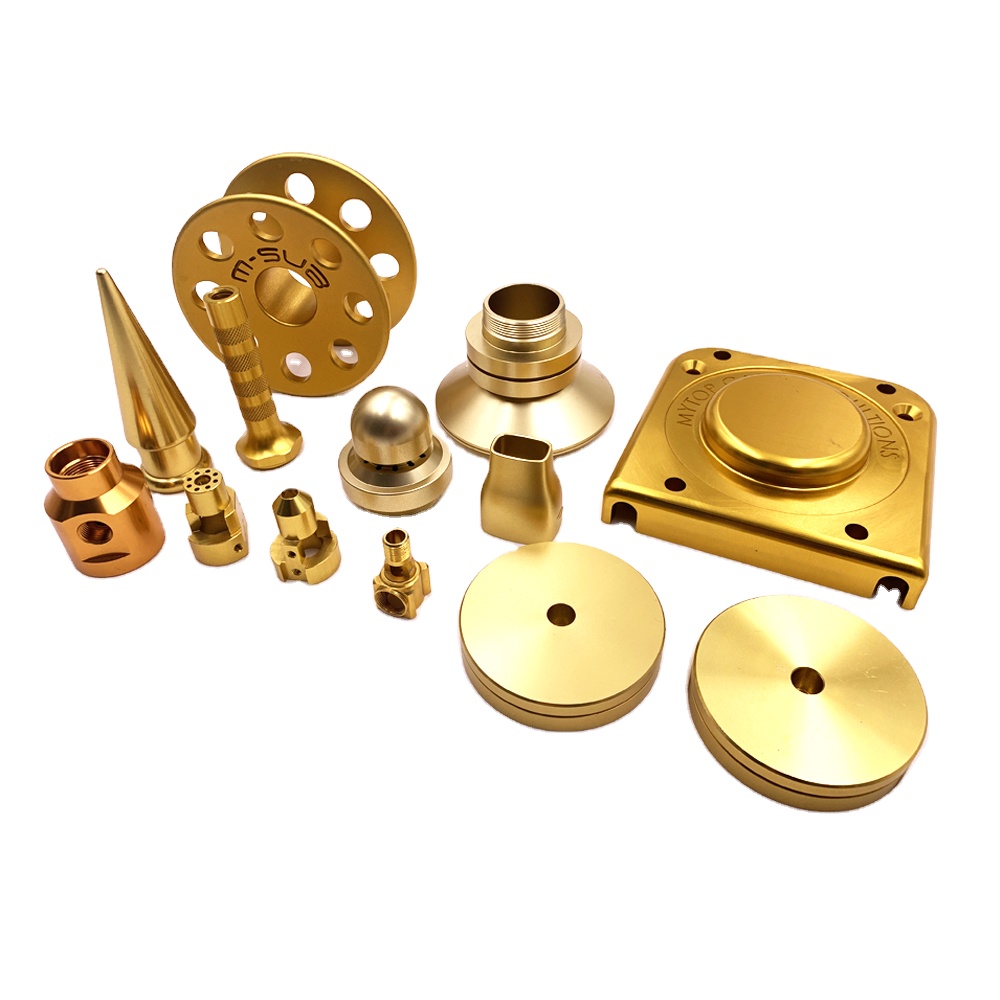
Automotive Manufacturers
Automotive manufacturers play a central role in the creation of precision chassis parts. Companies like Toyota, BMW, and Mercedes - Benz are not only responsible for designing and assembling entire vehicles but also for developing many of the chassis components in - house.
For example, Toyota invests heavily in research and development to design chassis parts that offer a balance between comfort and performance. Their engineers work on optimizing suspension systems, ensuring that the shock absorbers and springs are tuned to provide a smooth ride while maintaining excellent handling characteristics. By producing these parts themselves, automotive manufacturers can tightly control the quality and ensure that all components integrate seamlessly with the overall vehicle design. This in - house production also allows for quick implementation of new technologies and design improvements.
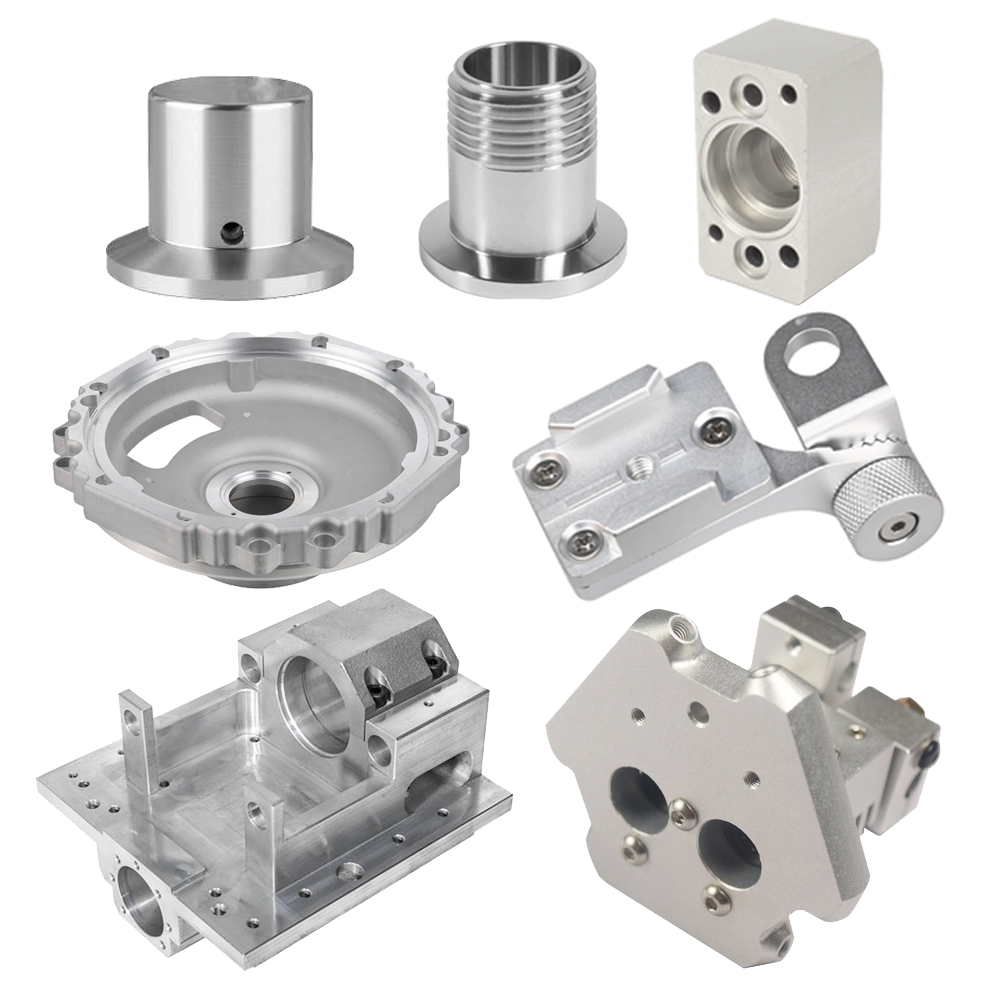
Tier 1 Suppliers
Tier 1 suppliers are large, global companies that supply complete systems or major components directly to automotive manufacturers. Names such as Bosch, ZF Friedrichshafen, and Magna International are well - known in this space.
Bosch, for instance, is involved in the production of braking systems, which are a critical part of the chassis. Their advanced anti - lock braking systems (ABS) and electronic stability control (ESC) components require high precision in manufacturing. These systems rely on sensors and actuators that must be manufactured with tight tolerances to ensure accurate operation. ZF Friedrichshafen specializes in driveline and chassis technology, producing components like axles and steering systems. They work closely with automotive manufacturers to develop parts that meet the specific requirements of different vehicle models. Tier 1 suppliers have extensive manufacturing plants around the world and use cutting - edge technologies such as precision machining and advanced materials to produce high - quality chassis parts.

Specialty Precision Chassis Part Manufacturers
There are also numerous specialty manufacturers that focus solely on producing precision chassis parts. These companies often have unique expertise in areas such as precision forging, casting, or machining of chassis - related components.
For example, some manufacturers specialize in precision forging of suspension components like control arms. Through the forging process, they can shape high - strength metals such as alloy steel or aluminum into parts with the required strength and precision. In the case of casting, companies can create complex chassis components with intricate geometries. Precision machining shops use high - precision machine tools to cut, drill, and grind parts to exact specifications. These specialty manufacturers serve multiple automotive manufacturers and Tier 1 suppliers, providing them with the critical parts that require specialized manufacturing processes. Their niche expertise allows them to produce parts that may be difficult or costly for larger manufacturers to produce in - house.

Skilled Workers and Engineers
Behind every precision chassis part are skilled workers and engineers. Engineers use advanced computer - aided design (CAD) and simulation software to design chassis parts. They consider factors such as material properties, stress analysis, and aerodynamics to create parts that can withstand the harsh conditions of automotive use. For example, when designing a chassis frame, engineers need to ensure that it provides sufficient strength to support the vehicle and its occupants while also being lightweight to improve fuel efficiency.
Skilled machinists then bring these designs to life. They operate precision machine tools, such as CNC (Computer Numerical Control) machines, with great accuracy. These machines can be programmed to perform complex operations, ensuring that each part is manufactured to the exact specifications set by the engineers. Quality control inspectors play a vital role as well. They use a variety of measurement tools, including coordinate measuring machines (CMMs), to check the dimensions and quality of the parts at various stages of production. Their attention to detail helps to identify any defects or deviations from the specifications, ensuring that only high - quality parts are shipped.
In conclusion, precision chassis parts are the result of the combined efforts of automotive manufacturers, Tier 1 suppliers, specialty precision chassis part manufacturers, and a team of skilled workers and engineers. Each of these players contributes in their own unique way to produce the high - quality, reliable parts that are essential for the safe and efficient operation of vehicles. Whether it's the innovation and quality control of automotive manufacturers, the global reach and system integration capabilities of Tier 1 suppliers, the specialized manufacturing expertise of specialty part manufacturers, or the technical skills of workers and engineers, they all work together to make precision chassis parts that keep our vehicles stable and well - handling on the road.
What Does CNC Stand for in Manufacturing?
Who Makes Precision Auto Parts?
Related Article

Fast sampling is the fastest way to win business in the hardware machining and plastic mold industries. Customers want a working sample in days, and a 3D printer delivers it, but only when you know how to print in 3d correctly.
how to print in 3d

Fast sampling is the fastest way to win business in the hardware machining and plastic mold industries. Customers often send an STL file and expect a working sample in days.
how to print an stl file

