
Is Polyester and Nylon the Same? A Comprehensive Comparison
Author: SZTC
2025-06-28
When exploring the world of synthetic materials, the question “Is polyester and nylon the same?” frequently emerges. While they may share some similarities as popular polymers, a closer look at their fundamental characteristics, chemical makeup, and real - world applications reveals significant differences. Let’s embark on a detailed analysis to demystify the relationship between polyester and nylon.
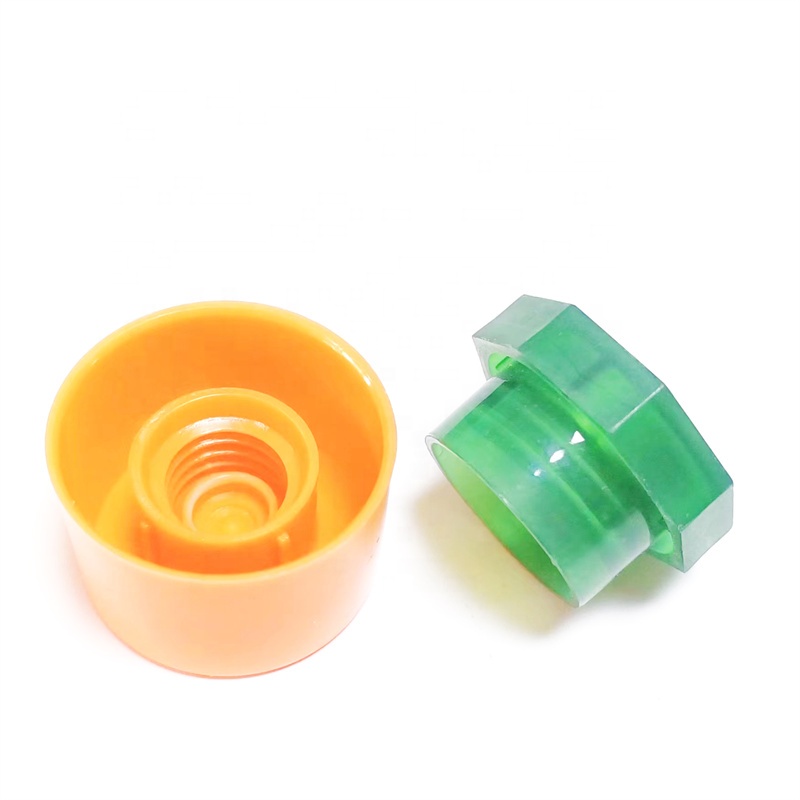
Polyester: The Ester - Based Polymer
Polyester is a broad class of polymers formed through a condensation reaction between carboxylic acids and alcohols. This chemical process results in the formation of ester linkages within the polymer's molecular structure, giving it its name. Polyester is known for its versatility, durability, and resistance to wrinkles and stretching. It has become a staple in various industries, from textiles to packaging. Common types of polyester, such as polyethylene terephthalate (PET), are widely used in the production of clothing, water bottles, and polyester films.
Nylon: A Specific Type of Polyamide
Nylon, on the other hand, falls under the category of polyamides. Polyamides are polymers characterized by the presence of amide linkages in their molecular chains. Nylon was one of the first synthetic fibers to be commercially produced and has since gained popularity for its exceptional strength, abrasion resistance, and elasticity. Different variants of nylon, like Nylon 6 and Nylon 6,6, are created using various monomers, leading to a range of properties that make it suitable for applications such as ropes, automotive parts, and sportswear.
The Molecular Makeup of Polyester
The chemical structure of polyester is defined by the ester functional group (-COO-), which acts as the connecting link between monomer units. For example, in the synthesis of PET, terephthalic acid and ethylene glycol react to form long chains of polyester molecules. This structure contributes to polyester’s low moisture absorption, good dimensional stability, and ability to be molded into various shapes, making it ideal for applications where maintaining form is crucial.
The Amide - Based Structure of Nylon
Nylon, as a polyamide, has amide groups (-CONH-) in its backbone. When hexamethylenediamine and adipic acid react, they form Nylon 6,6, a commonly used type of nylon. The amide linkages in nylon endow it with unique mechanical properties. These linkages allow nylon to have high tensile strength, toughness, and the ability to withstand significant stress, making it a preferred choice for applications that require durability and strength.
Properties and Applications
Polyester’s Characteristics and Uses
Polyester’s properties make it highly desirable in many applications. Its wrinkle - resistant nature ensures that clothing made from polyester retains a neat appearance with minimal ironing. It also offers good chemical resistance, allowing it to withstand exposure to various substances without significant degradation. In the textile industry, polyester is used to create a wide range of fabrics, from lightweight summer wear to heavy - duty upholstery. Additionally, its transparency and strength make it suitable for manufacturing bottles, films, and other packaging materials.
Nylon’s Traits and Applications
Nylon stands out for its high strength - to - weight ratio, making it an excellent choice for applications where strength and durability are paramount. It is commonly used in the production of ropes, cables, and parachutes, where its ability to bear heavy loads without breaking is essential. In the automotive industry, nylon is used for components such as gears, bearings, and engine parts due to its abrasion resistance and heat tolerance. In fashion, nylon is popular for making sportswear and activewear because of its elasticity and moisture - wicking properties, which keep the wearer dry and comfortable during physical activities.

Conclusion: Key Differences Between Polyester and Nylon
In conclusion, polyester and nylon are not the same. Although they are both synthetic polymers widely used across multiple industries, their differences in definition, chemical structure, properties, and applications are quite distinct. Understanding these disparities is vital for consumers, manufacturers, and designers. Whether choosing between a polyester - made shirt and a nylon - based backpack or selecting materials for industrial applications, being aware of the unique qualities of each material enables more informed decisions, ensuring the best fit for specific needs and requirements.
Is Polyester Nylon? Unraveling the Mystery
Is Polyester a Nylon? Unveiling the Truth
Related Article

Fast sampling is the fastest way to win business in the hardware machining and plastic mold industries. Customers want a working sample in days, and a 3D printer delivers it, but only when you know how to print in 3d correctly.
how to print in 3d

Fast sampling is the fastest way to win business in the hardware machining and plastic mold industries. Customers often send an STL file and expect a working sample in days.
how to print an stl file

