
Is Polyester a Nylon? Unveiling the Truth
Author: SZTC
2025-06-28
In the vast world of synthetic polymers, the question “Is polyester a nylon?” often leaves people scratching their heads. At first glance, the names might seem somewhat related, but a detailed exploration quickly reveals that they are distinct materials with their own unique characteristics. Let’s dive into the details to understand the relationship between these two widely - used polymers.
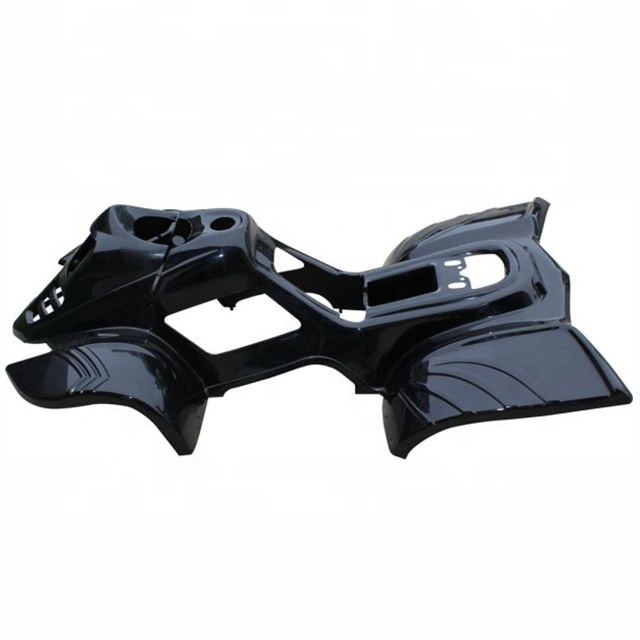
Polyester is a category of polymers formed through a condensation reaction between carboxylic acids and alcohols, resulting in the creation of ester linkages within its molecular structure. This chemical process gives rise to a diverse family of polymers known for their durability, flexibility, and resistance to wrinkles. Polyester has found its way into numerous applications, from clothing and upholstery to packaging materials.
Nylon, on the other hand, is a specific type of polyamide. Polyamides are polymers characterized by the presence of amide linkages in their molecular chains. Nylon was one of the first synthetic fibers developed, and it’s renowned for its high strength, abrasion resistance, and elasticity. Different types of nylon, such as Nylon 6 and Nylon 6,6, are produced using various monomers, leading to variations in their properties.

The chemical structure of polyester is defined by the ester functional group (-COO-), which links the monomer units together. For instance, polyethylene terephthalate (PET), a common polyester, is synthesized from terephthalic acid and ethylene glycol. This structure contributes to polyester’s properties like low moisture absorption and good dimensional stability.
Nylon, as a polyamide, has amide groups (-CONH-) in its backbone. Nylon 6,6, for example, is created through the reaction of hexamethylenediamine and adipic acid. The amide linkages in nylon endow it with excellent mechanical properties, including high tensile strength and toughness. The distinct chemical structures of polyester and nylon mean that they are fundamentally different materials at the molecular level.
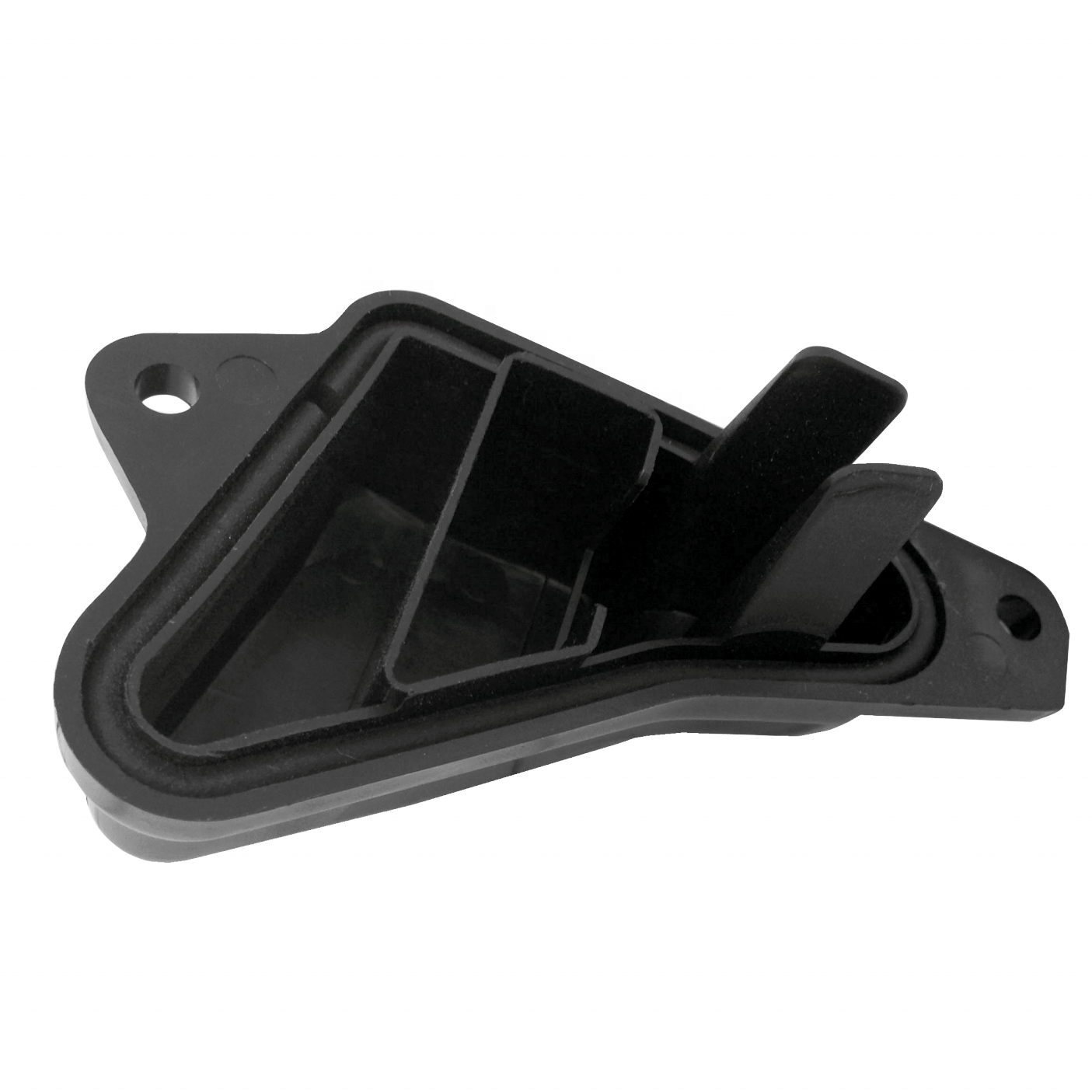
Polyester exhibits properties that make it ideal for many uses. Its wrinkle - resistant nature makes it a popular choice for clothing, as it maintains a neat appearance without much ironing. It also has good chemical resistance and can be easily dyed, adding to its versatility in the textile industry. In addition, polyester is used in the production of bottles, films, and other packaging items due to its transparency and strength.
Nylon, with its high strength - to - weight ratio, is widely used in applications where durability and abrasion resistance are crucial. It’s commonly found in items like ropes, parachutes, and automotive components. In the fashion world, nylon is used for making sportswear and lingerie because of its elasticity and ability to wick away moisture. These different properties and applications clearly demonstrate that polyester is not the same as nylon.
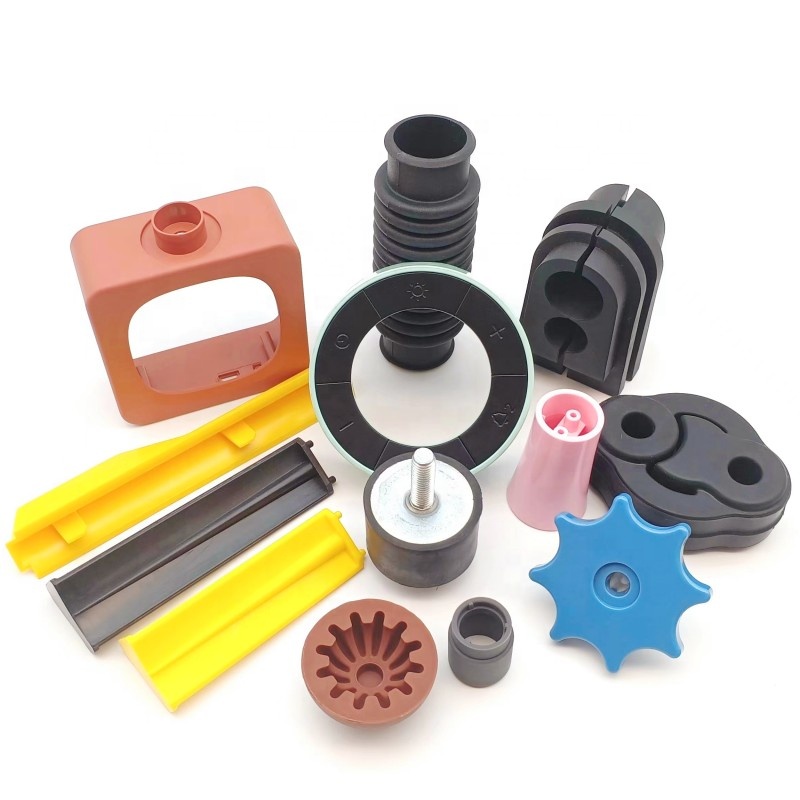
In conclusion, polyester is not nylon. Despite both being synthetic polymers used in a variety of industries, they have different chemical structures, formation processes, properties, and applications. Whether you’re a consumer looking to make informed choices about the products you buy or a professional in the manufacturing field selecting materials, understanding the difference between polyester and nylon is essential. This knowledge ensures that the right material is chosen for the right task, maximizing performance and functionality.
Is Polyester and Nylon the Same? A Comprehensive Comparison
Is Polyamide the Same as Polyester? Debunking the Confusion
Related Article

Fast sampling is the fastest way to win business in the hardware machining and plastic mold industries. Customers want a working sample in days, and a 3D printer delivers it, but only when you know how to print in 3d correctly.
how to print in 3d

Fast sampling is the fastest way to win business in the hardware machining and plastic mold industries. Customers often send an STL file and expect a working sample in days.
how to print an stl file

