
Is Polyamide the Same as Nylon? Unraveling the Confusion
Author: SZTC
2025-06-28
In the world of polymers, terms can often get jumbled, leading to common questions like “Is polyamide the same as nylon?” At first glance, the two might seem interchangeable, but a deeper dive reveals nuances that are crucial to understand. Let’s break it down.
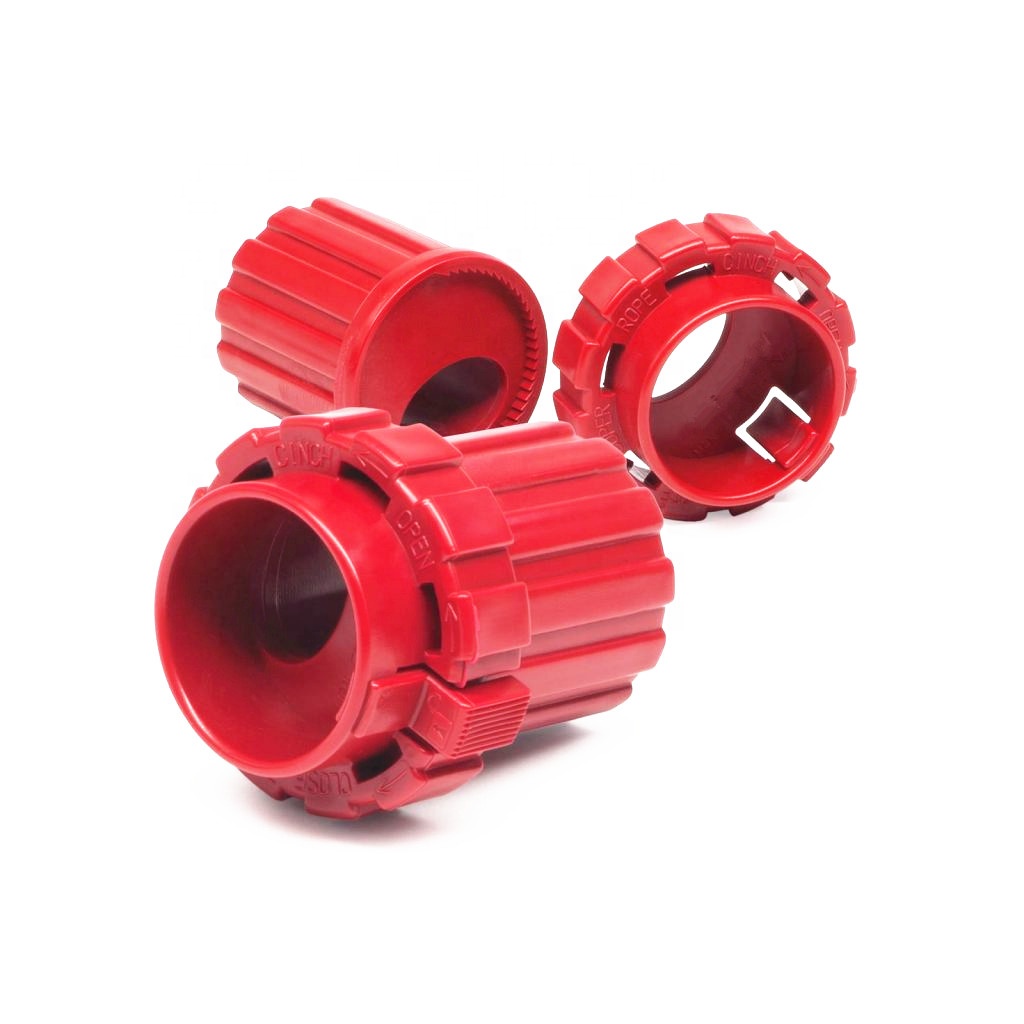
Polyamide is a broad category of polymers that contain repeating amide linkages in their molecular structure. This class of materials is synthesized through a condensation reaction between carboxylic acids and amines or through the ring-opening polymerization of lactams. The result is a versatile family of high-performance polymers known for their strength, durability, and resistance to wear.
Nylon, on the other hand, is a specific type of polyamide. It was first developed by Wallace Carothers at DuPont in 1935 and was the world’s first commercially successful synthetic fiber. The name “nylon” was trademarked by DuPont, but over time, it has become a generic term for a group of polyamides with different molecular structures and properties, such as Nylon 6, Nylon 6,6, and Nylon 11.

The chemical makeup of polyamides can vary widely, which is why it encompasses a large family of materials. Different monomers are used in the polymerization process, leading to variations in the length of the carbon chains and the arrangement of the amide groups. This structural diversity gives polyamides a wide range of physical and chemical properties.
Nylon, as a subset of polyamides, has its own distinct chemical identities depending on its type. For example, Nylon 6 is produced by the ring-opening polymerization of caprolactam, while Nylon 6,6 is made from the reaction of hexamethylenediamine and adipic acid. These differences in synthesis methods result in variations in melting points, crystallinity, and mechanical properties among different nylon types.

Polyamides, including nylon, are prized for their excellent mechanical properties, such as high tensile strength, toughness, and abrasion resistance. They also offer good chemical resistance, low friction, and the ability to withstand a wide range of temperatures. These characteristics make polyamides suitable for a vast array of applications, from automotive components and electrical insulation to textiles and consumer goods.
Nylon, specifically, has found extensive use in the textile industry for making clothing, carpets, and parachutes due to its strength, elasticity, and ability to hold dyes well. In the manufacturing sector, nylon is used to produce gears, bearings, and various injection-molded parts because of its durability and self-lubricating properties. While nylon shares many properties with other polyamides, its specific formulations often make it the preferred choice for certain applications where its unique combination of features is most beneficial.
In conclusion, nylon is indeed a type of polyamide, but not all polyamides are nylon. Polyamide is an overarching term for a large family of polymers with amide linkages, while nylon represents a specific group within this family that has its own set of characteristics and applications. Understanding this distinction is important, whether you're a consumer looking at product labels, a designer choosing materials for a project, or a student studying polymer science. By knowing the relationship between polyamide and nylon, you can make more informed decisions and appreciate the complexity and versatility of these remarkable materials.
Is Polyamide the Same as Polyester? Debunking the Confusion
Is Nylon Warm? Exploring the Thermal Properties of Nylon
Related Article

Fast sampling is the fastest way to win business in the hardware machining and plastic mold industries. Customers want a working sample in days, and a 3D printer delivers it, but only when you know how to print in 3d correctly.
how to print in 3d

Fast sampling is the fastest way to win business in the hardware machining and plastic mold industries. Customers often send an STL file and expect a working sample in days.
how to print an stl file

