
Is Plated Gold Real? Separating Fact from Fiction
Author: SZTC
2025-09-28
Walk into any jewelry store or scroll through an online accessory shop, and you’ll see “plated gold” items everywhere—necklaces, watches, earrings, and more. They shine like real gold, carry a lower price tag, and seem like a steal. But here’s the question that lingers in every buyer’s mind: Is plated gold real? It’s a simple question, but the answer isn’t as straightforward as “yes” or “no.” In this blog, we’ll break down what plated gold is, whether it qualifies as “real,” and what you need to know before buying.
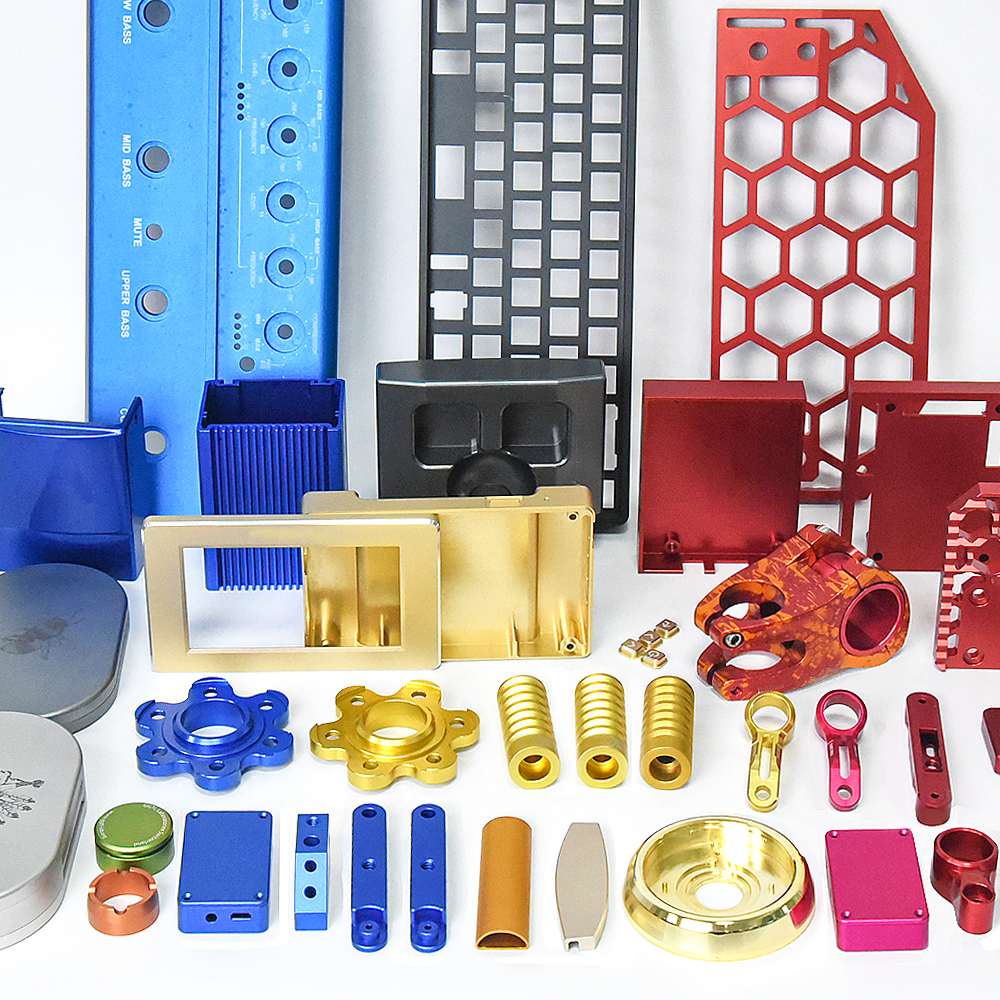
To answer if plated gold is real, we first need to understand what it’s made of. Plated gold (often called “gold plated”) isn’t a single material—it’s a combination of a base metal and a thin layer of real gold. Let’s break down its structure and how it’s made.
1.1 The Two-Part Structure of Plated Gold
Plated gold has two key components:
- Base Metal: This is the “core” of the item. Most often, it’s a cheap, durable metal like brass, copper, or nickel. The base metal gives the piece its shape and strength—without it, the item would be too expensive (since pure gold is soft and costly).
- Gold Layer: On top of the base metal sits a thin coating of real gold. This layer is what gives plated gold its signature golden color and shine. The gold used here is real (it’s the same gold found in solid gold jewelry, measured in karats like 14k, 18k, or 24k), but its thickness is extremely small.
1.2 How Plated Gold Is Made
The gold layer is applied using a process called electroplating. Here’s how it works:
- The base metal piece is cleaned to remove dirt or oils (so the gold adheres properly).
- It’s dipped into a liquid solution containing dissolved gold ions.
- An electric current is passed through the solution, which causes the gold ions to bond to the surface of the base metal.
- The result? A thin, even layer of real gold covering the base metal.
The thickness of this gold layer varies, but it’s usually measured in microns (1 micron = 0.001 mm). Most plated gold items have a layer between 0.5 and 2 microns—that’s thinner than a human hair! Some higher-quality options (labeled “heavy gold plated”) might have a layer up to 5 microns, but even that is far thinner than other gold-filled or solid gold pieces.

Now for the big question: Is plated gold real? The answer depends on what you mean by “real.” Let’s look at three key angles—gold content, value, and appearance—to clear up confusion.
2.1 The Gold Layer Is Real… But It’s Tiny
First, the good news: The thin layer on top of plated gold is 100% real gold. It’s not a fake material (like gold-colored plastic or brass painted to look like gold). If you scraped off that layer and tested it, it would register as real gold—just like the gold in a solid gold ring.
But here’s the catch: The amount of real gold is so small that it barely contributes to the item’s overall value or durability. For example, a plated gold necklace might have only a few milligrams of real gold—compared to a solid gold necklace, which is made entirely of gold (or a gold alloy). Think of it like a slice of cheese on a loaf of bread: The cheese is real, but the loaf is mostly bread. Plated gold is mostly base metal, with a tiny “slice” of real gold on top.
2.2 Plated Gold Isn’t “Real Gold Jewelry” (By Industry Standards)
While the gold layer is real, the jewelry industry doesn’t consider plated gold to be “real gold jewelry.” Why? Because “real gold jewelry” (like solid gold or gold-filled) has a significant amount of gold that affects its value, durability, and properties.
For example:
- Solid gold is made of 100% gold (or a gold alloy with other metals like silver or copper) throughout. It’s valuable, durable, and won’t fade.
- Gold-filled has a thick layer of real gold (at least 5% of the item’s weight) bonded to a base metal. It’s nearly as durable as solid gold.
- Plated gold, by contrast, has so little gold that it’s considered a “decorative coating” rather than a core part of the item. The FTC (U.S. Federal Trade Commission) even has rules for labeling: Plated gold can’t be called “gold” on its own—it must be labeled “gold plated” or “electroplated gold” to avoid misleading buyers.
2.3 It Looks Real… But Only for a While
At first glance, plated gold looks identical to real gold. The thin gold layer reflects light the same way, so it has that warm, luxurious shine. This is why it’s so popular—you get the “look” of real gold without the price tag.
But over time, the illusion fades. The thin gold layer wears off easily: rubbing against clothing, washing your hands, or applying lotion can scratch or erode it. Once the layer is gone, the base metal (brass, nickel, etc.) shows through, and the item loses its golden color. Solid gold or gold-filled pieces, by contrast, keep their shine for decades. So while plated gold looks real initially, it doesn’t stay that way.

Now that you know plated gold has a tiny real gold layer but isn’t “real gold jewelry,” here’s what to keep in mind if you’re considering buying it.
3.1 Check the Label (Avoid Misleading Terms)
Not all “gold-colored” jewelry is plated gold. Some sellers use tricky terms to make it sound more valuable, like “gold tone,” “gold plated brass,” or “vermeil” (a type of plated gold with a silver base). Always look for clear labels:
- “Gold Plated” or “Electroplated Gold”: These are the only terms that guarantee a real gold layer (even if it’s thin).
- Avoid terms like “gold-colored” or “gold alloy” (these often have no real gold at all).
3.2 Manage Your Expectations
Plated gold is a temporary accessory, not an investment. It’s perfect for trendy pieces you’ll wear for a season (like a statement necklace for summer) but not for everyday items (like a wedding band) or heirlooms. Expect it to last 6 to 12 months with regular wear—after that, it will likely fade or discolor.
3.3 Care Tips to Make Plated Gold Last Longer
To extend the life of your plated gold items:
- Remove them before showering, swimming, or exercising (water and sweat speed up wear).
- Avoid contact with harsh chemicals: perfume, lotion, hairspray, or cleaning products can erode the gold layer.
- Store them in a soft pouch or jewelry box (to prevent scratching against other pieces).
- Clean them gently with a soft cloth (never use a jewelry cleaner—this will strip the gold layer).

Yes… and no. The thin layer on top is real gold, but the item itself is mostly base metal. Plated gold isn’t “real gold jewelry” in the traditional sense—it lacks the durability, value, and longevity of solid gold or gold-filled pieces.
If you want the look of gold for a low price and don’t mind replacing items often, plated gold is a great choice. But if you’re looking for something that’s “real” in terms of value and durability, you’re better off with gold-filled or solid gold. The key is to know what you’re buying—and not confuse a tiny real gold layer with a piece that’s truly made of gold.
What Does 14k Gold Plated Mean? A Complete Guide for Jewelry Lovers
Is Gold Plated Better Than Gold Filled? A Complete Comparison
Related Article

Fast sampling is the fastest way to win business in the hardware machining and plastic mold industries. Customers want a working sample in days, and a 3D printer delivers it, but only when you know how to print in 3d correctly.
how to print in 3d

Fast sampling is the fastest way to win business in the hardware machining and plastic mold industries. Customers often send an STL file and expect a working sample in days.
how to print an stl file

