
Is Nylon Thermoplastic? Unveiling the Truth
Author: SZTC
2025-06-18
In the vast world of polymers, understanding the nature of materials is crucial for various industries. One common question that often arises is, "Is nylon thermoplastic?" Let's delve into the details to uncover the truth.

Defining Thermoplastics
Before answering the main question, it's essential to clarify what thermoplastics are. Thermoplastics are a type of plastic material that can be softened by heat and hardened by cooling multiple times. This unique property allows them to be melted and remolded into different shapes without undergoing significant chemical changes. When heated, the polymer chains in thermoplastics gain enough energy to slide past each other, becoming more fluid. Upon cooling, these chains lock back into place, solidifying the material. This characteristic makes thermoplastics highly versatile and recyclable, as they can be reused and repurposed countless times.
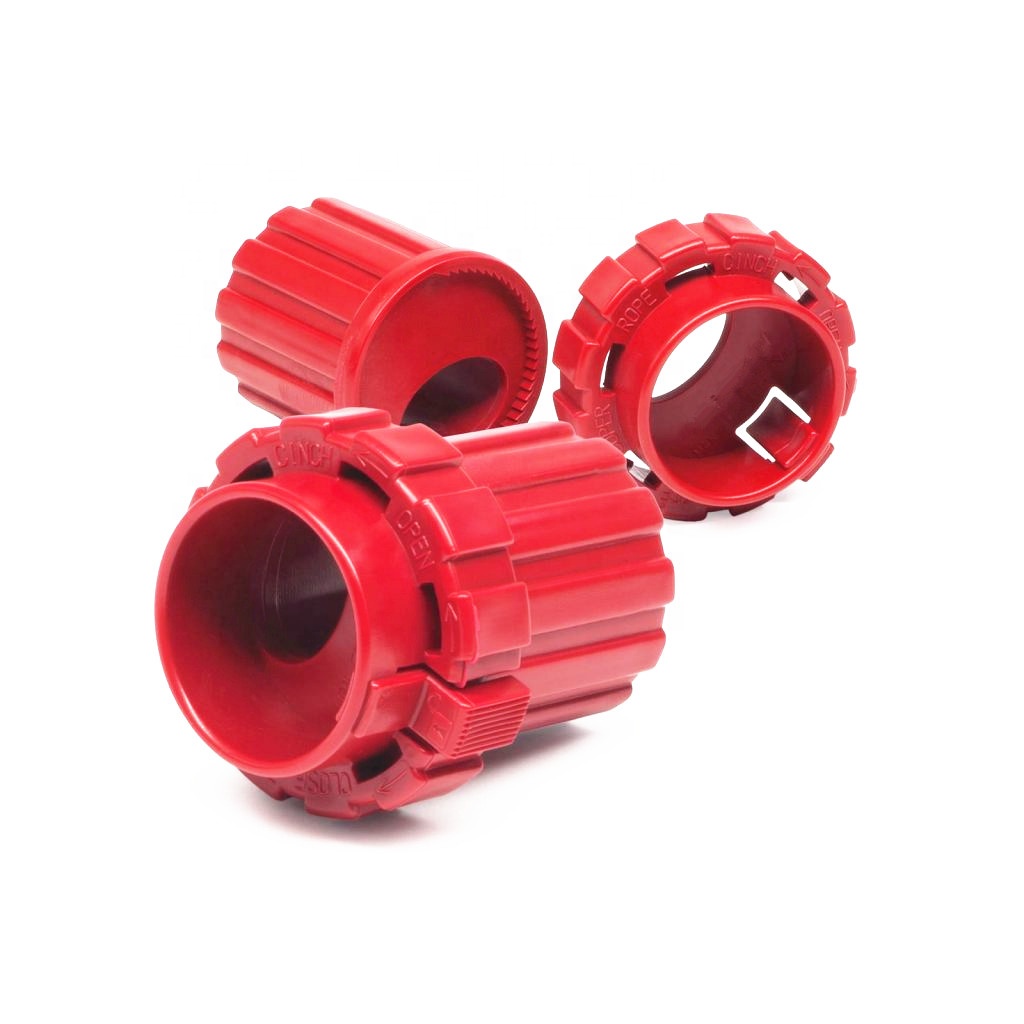
Nylon: A Thermoplastic Material
Yes, nylon is indeed a thermoplastic. Nylon is a family of synthetic polymers known as polyamides, and all members of this family share the thermoplastic property. Nylon was first developed in the 1930s and has since become one of the most widely used engineering plastics. Its thermoplastic nature means that nylon can be processed using various techniques such as injection molding, extrusion, and blow molding. During injection molding, molten nylon is injected into a mold cavity under high pressure. As it cools, the nylon solidifies, taking on the shape of the mold. Extrusion is used to create continuous profiles like rods, tubes, and sheets, where the molten nylon is forced through a die. In blow molding, a parison (a hollow tube of molten nylon) is inflated inside a mold to form products like bottles and containers.

Key Properties of Nylon as a Thermoplastic
Mechanical Strength
One of the remarkable properties of nylon as a thermoplastic is its excellent mechanical strength. Nylon has high tensile strength, which allows it to withstand significant pulling forces without breaking. This makes it suitable for applications where durability and load - bearing capacity are required, such as in gears, bearings, and automotive parts. Additionally, nylon has good impact resistance, meaning it can absorb shock and vibrations, reducing the risk of cracking or shattering under sudden impacts.
Chemical Resistance
Nylon also exhibits good chemical resistance, which is beneficial in many environments. It can resist the effects of various chemicals, solvents, and oils, making it a reliable choice for components in industries like chemical processing and oil and gas. However, it's important to note that nylon may be susceptible to hydrolysis in the presence of water at high temperatures, which can degrade its mechanical properties over time.
Thermal Stability
As a thermoplastic, nylon has a relatively high melting point, depending on the specific type of nylon. For example, Nylon 6 has a melting point of around 220°C (428°F), while Nylon 6,6 has a higher melting point of approximately 260°C (500°F). This thermal stability allows nylon to maintain its structural integrity in moderately high - temperature applications, although it does have limitations compared to some high - performance engineering plastics.
Textile Industry
Nylon is well - known for its use in the textile industry. Its strength, durability, and resistance to abrasion make it ideal for making fabrics. Nylon fibers are used in a wide range of clothing items, from sportswear to hosiery. The thermoplastic nature of nylon also enables it to be easily dyed and processed into different textures and finishes, enhancing its aesthetic appeal.
Engineering and Manufacturing
In engineering and manufacturing, nylon is widely used for creating various components. In the automotive industry, nylon is used to make engine components, fuel lines, and electrical connectors due to its heat resistance, chemical resistance, and mechanical strength. In the electronics industry, nylon is used for making casings, connectors, and insulators, as it provides electrical insulation and protection for sensitive electronic components.
Consumer Goods
Nylon's versatility also makes it a popular choice for consumer goods. It is used in products like luggage, where its strength and lightweight properties are highly valued. Additionally, nylon is used in the production of household items such as brushes, combs, and even some types of cookware handles, thanks to its heat resistance and durability.
In conclusion, nylon is clearly a thermoplastic material. Its unique combination of properties, including mechanical strength, chemical resistance, and thermal stability, along with its ability to be melted and remolded, has made it an indispensable material in numerous industries. Whether it's in our clothes, the components of our cars, or the consumer goods we use daily, nylon's thermoplastic nature continues to play a vital role in our modern lives.
How Much Does Nylon Cost? A Comprehensive Guide
Is Nylon the Same as Plastic? Debunking the Confusion
Related Article

Fast sampling is the fastest way to win business in the hardware machining and plastic mold industries. Customers want a working sample in days, and a 3D printer delivers it, but only when you know how to print in 3d correctly.
how to print in 3d

Fast sampling is the fastest way to win business in the hardware machining and plastic mold industries. Customers often send an STL file and expect a working sample in days.
how to print an stl file

