
Is Nylon Synthetic? Unveiling the Truth Behind the Popular Material
Author: SZTC
2025-06-16
In the vast world of materials, nylon stands out as a versatile and widely used substance. However, there often exists confusion regarding its origin: is nylon synthetic? The straightforward answer is a resounding yes. Let's delve deeper into the details to understand why.
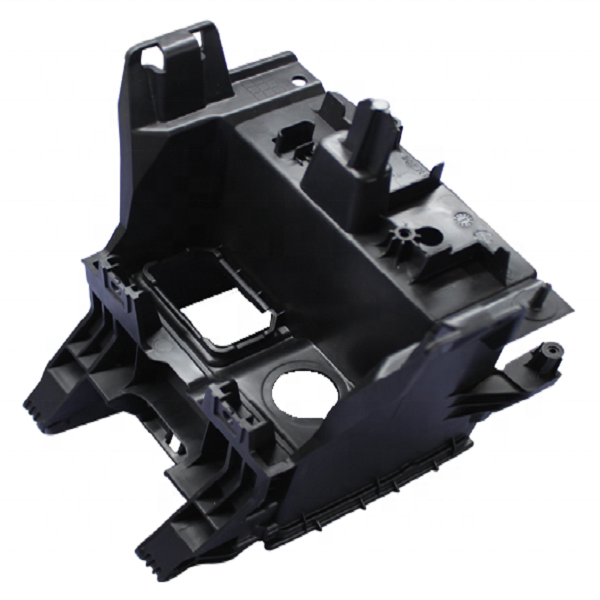
The Definition of Synthetic Materials
Before exploring nylon specifically, it's crucial to define what synthetic materials are. Synthetic materials are substances created through chemical processes, often involving the manipulation of molecules to form new compounds. These materials do not occur naturally in the environment and are engineered by humans to possess specific properties. This distinguishes them from natural materials like cotton, wool, or silk, which are derived directly from plants or animals.

The Birth and Synthesis of Nylon
Nylon was the world's first fully synthetic fiber, marking a significant milestone in the history of materials science. Developed by Wallace Carothers at DuPont in 1935, nylon was the result of extensive research into creating a material with superior strength and durability. The synthesis of nylon involves a chemical reaction called condensation polymerization. In this process, monomers such as diamines and dicarboxylic acids react with each other, releasing a small molecule (usually water) and forming long-chain polymers. These polymers are then processed into fibers through melting and extrusion, creating the nylon we are familiar with today. This entirely human - engineered process clearly demonstrates that nylon is a synthetic material.
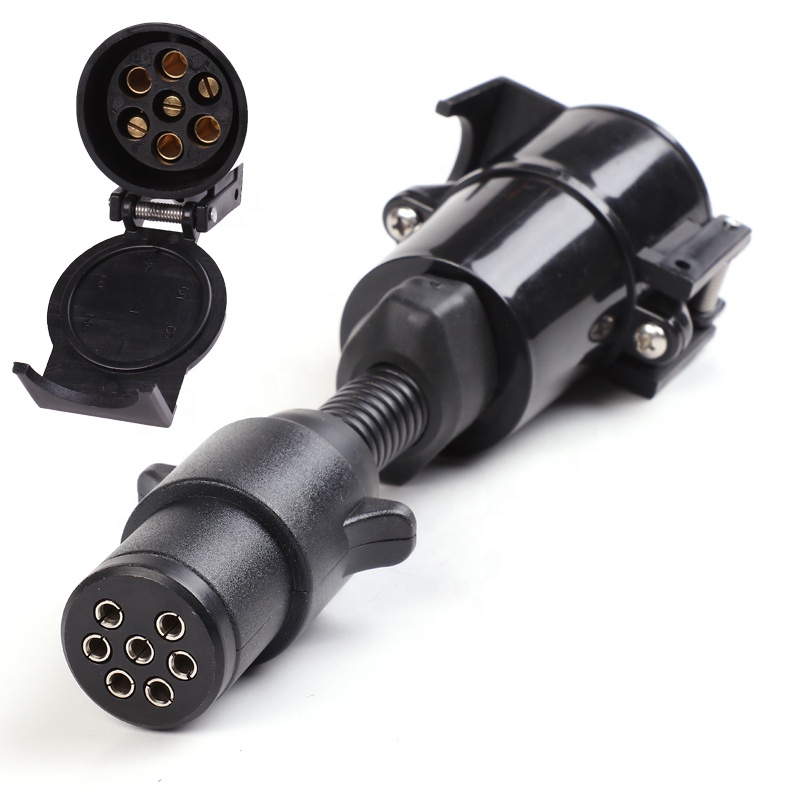
Characteristics and Applications Stemming from Its Synthetic Nature
Nylon's synthetic origin endows it with a unique set of characteristics that make it highly valuable across various industries. Its high strength - to - weight ratio, resistance to abrasion, and excellent elasticity are all results of its carefully designed chemical structure. These properties have led to its widespread use in products ranging from clothing and accessories (e.g., stockings, backpacks) to industrial applications (e.g., ropes, conveyor belts). Additionally, nylon can be easily dyed and modified to enhance specific features, further showcasing the benefits of its synthetic nature.
In conclusion, nylon is undeniably a synthetic material. Its creation through complex chemical processes, along with the distinctive properties and wide - ranging applications that stem from this synthetic origin, firmly establish it as a cornerstone of modern synthetic materials. Understanding this not only satisfies our curiosity but also helps us make more informed choices when using products made from nylon.
Is Nylon a Natural Fiber? Debunking the Myth
Is Nylon Natural or Synthetic? Unveiling the Truth
Related Article

Fast sampling is the fastest way to win business in the hardware machining and plastic mold industries. Customers want a working sample in days, and a 3D printer delivers it, but only when you know how to print in 3d correctly.
how to print in 3d

Fast sampling is the fastest way to win business in the hardware machining and plastic mold industries. Customers often send an STL file and expect a working sample in days.
how to print an stl file

