
Is Nylon Soft? Unveiling the Truth About This Versatile Fabric
Author: SZTC
2025-06-20
When it comes to fabrics, the question “Is nylon soft?” often pops up. Nylon, a synthetic polymer renowned for its durability and versatility, has a complex relationship with softness. Let’s explore this topic in detail through the following aspects.
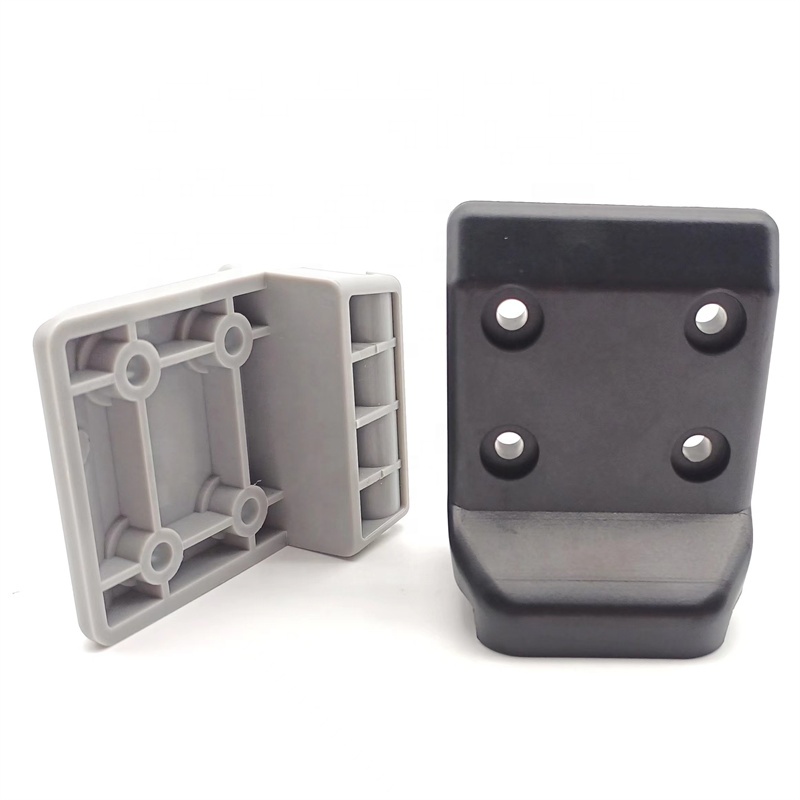
Defining Nylon and Its General Characteristics
Nylon was the world's first fully synthetic fiber, created by Wallace Carothers in 1935. It quickly became popular due to its strength, resistance to abrasion, and ability to dry rapidly. Generally, nylon has a smooth texture, which gives an initial impression of softness to the touch. Its fine, uniform fibers contribute to a sleek surface, making it pleasant to handle in various forms, whether it’s in clothing, bags, or other textile products.

Factors Influencing Nylon’s Softness
The softness of nylon isn’t a fixed trait. It’s influenced by multiple factors. Firstly, the manufacturing process plays a crucial role. Different production techniques can result in nylon with varying degrees of softness. For instance, nylon that undergoes special finishing treatments, like brushing or coating, can feel significantly softer compared to untreated nylon. Secondly, the type of nylon matters. Nylon 6 and Nylon 6,6 are two common types. Nylon 6 often has a silkier feel, which is perceived as softer, while Nylon 6,6 is known for its higher strength and can sometimes feel stiffer in its raw state. Additionally, the density and thickness of the nylon fabric also impact its softness. Thinner, more lightweight nylon materials tend to be softer and more flexible.
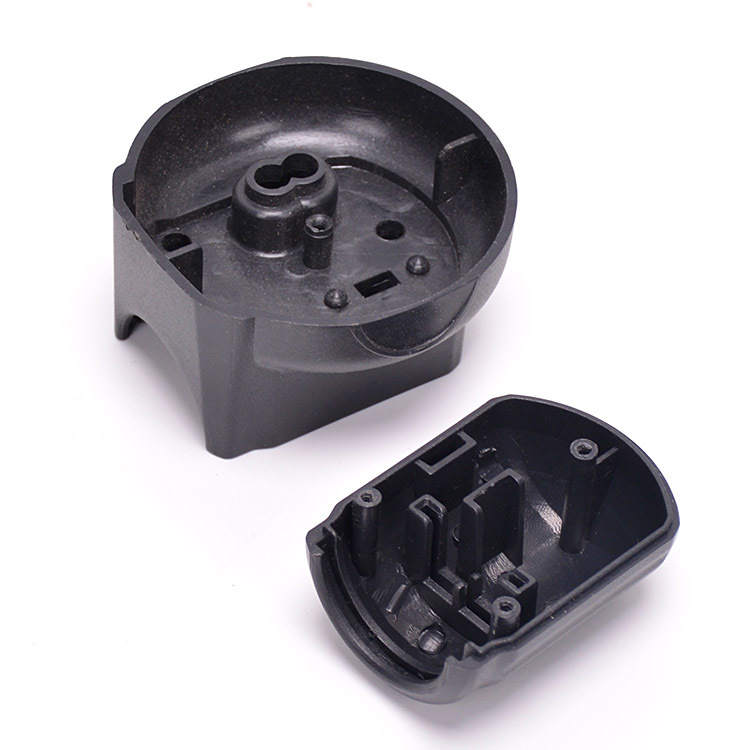
Practical Applications and Nylon’s Softness in Use
In real - world applications, the softness of nylon is utilized in different ways. In the fashion industry, nylon is frequently blended with other fibers like spandex to create soft, stretchy garments such as activewear and swimwear. The softness of these nylon - based fabrics ensures comfort during physical activities. For outdoor gear, like tents and sleeping bags, soft nylon materials enhance user experience by reducing irritation against the skin. However, in some industrial applications, such as conveyor belts or heavy - duty ropes, the focus is more on nylon’s strength rather than softness, and in these cases, the material may not feel soft at all.
In conclusion, the answer to “Is nylon soft?” is that it can be, depending on various factors. Its softness makes it a favored choice in many consumer products where comfort and a pleasant tactile experience are important. Whether you’re shopping for clothes or outdoor equipment, understanding nylon’s relationship with softness can help you make more informed purchasing decisions.
Is Polyamide a Nylon? Unraveling the Confusion
Is Nylon Rubber: The Powerhouse Blend
Related Article

Fast sampling is the fastest way to win business in the hardware machining and plastic mold industries. Customers want a working sample in days, and a 3D printer delivers it, but only when you know how to print in 3d correctly.
how to print in 3d

Fast sampling is the fastest way to win business in the hardware machining and plastic mold industries. Customers often send an STL file and expect a working sample in days.
how to print an stl file

