
Is Nylon Made of Plastic? Unraveling the Material Mystery
Author: SZTC
2025-06-16
The question “is nylon made of plastic?” often sparks curiosity among those interested in materials science and everyday products. While nylon and plastic are closely related, the relationship isn't as straightforward as one might think. Let’s dig deeper into the nature of these materials to find the answer.

Defining Plastic and Its Characteristics
Before exploring nylon’s connection to plastic, it’s essential to define what plastic is. Plastic is a broad term for a wide range of synthetic or semi - synthetic materials that are moldable. They are primarily made from polymers, which are long chains of repeating molecular units. Plastics can be derived from petrochemicals, although some newer types are made from renewable resources. Key characteristics of plastics include their malleability, durability, and resistance to degradation. This diverse group encompasses various materials with different properties and uses, from flexible polyethylene used in plastic bags to rigid polyvinyl chloride (PVC) for pipes.
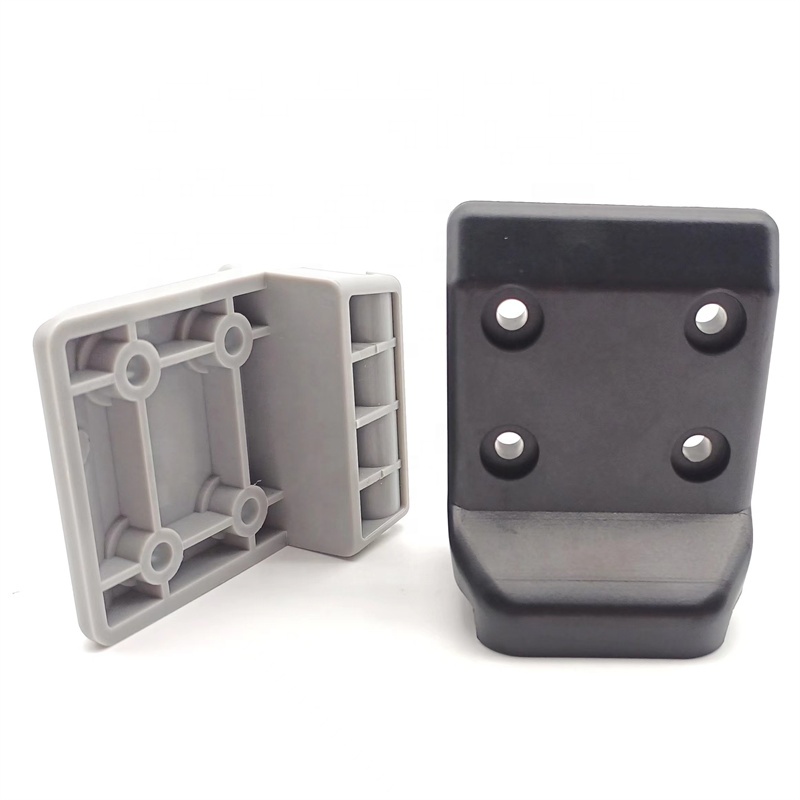
Nylon is indeed a synthetic polymer, and in a way, it falls under the broader umbrella of plastics. Nylon is created through a chemical process called polymerization. Specifically, it is formed by reacting monomers such as diamines and dicarboxylic acids in a condensation polymerization reaction. This process results in the formation of long - chain polymers with amide linkages, giving nylon its unique properties. Like other plastics, nylon can be melted and molded into different forms during manufacturing, whether it’s spun into fibers for textiles or shaped into components for industrial applications. However, nylon also has distinct features that set it apart from many common plastics. Its high strength, elasticity, and abrasion resistance make it suitable for applications where durability and performance are crucial, such as in sportswear, ropes, and gears.
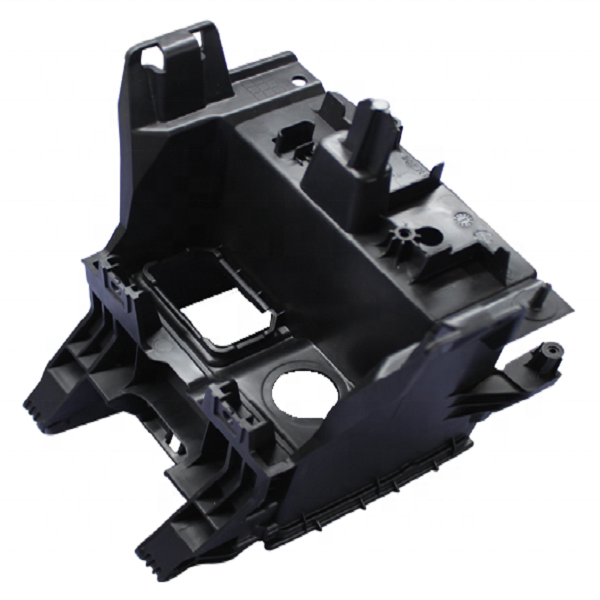
Distinctions and Overlaps between Nylon and Conventional Plastics
While nylon is a type of plastic, it’s important to note the distinctions between it and more commonly known plastics. Many everyday plastics, like polyethylene or polypropylene, are used mainly for packaging and disposable products due to their relatively lower cost and ease of processing. Nylon, on the other hand, is often chosen for its performance - driven applications. At the same time, there are overlaps. Both nylon and other plastics share the characteristic of being synthetic polymers, and they can both be modified through additives to enhance specific properties. For example, colorants, flame retardants, or reinforcing fillers can be added to nylon and other plastics to meet different industry requirements.
In conclusion, nylon is made of synthetic polymers, which places it within the category of plastics. However, its unique production process and specialized properties give it a distinct identity among the wide array of plastic materials. Understanding this relationship helps consumers and industries alike make more informed decisions when selecting materials for various applications.
Is Nylon a Good Material? Exploring Its Merits and Drawbacks
Is Nylon a Natural Fiber? Debunking the Myth
Related Article

Fast sampling is the fastest way to win business in the hardware machining and plastic mold industries. Customers want a working sample in days, and a 3D printer delivers it, but only when you know how to print in 3d correctly.
how to print in 3d

Fast sampling is the fastest way to win business in the hardware machining and plastic mold industries. Customers often send an STL file and expect a working sample in days.
how to print an stl file

