
Is Nylon Durable
Author: SZTC
2025-06-26
In the realm of materials, durability is a highly - sought - after trait, especially for substances used in a wide range of products. Nylon, a popular synthetic polymer, has long been a staple in various industries. The question “Is nylon durable?” piques the curiosity of many, from consumers to manufacturers. Let’s explore this query in depth.
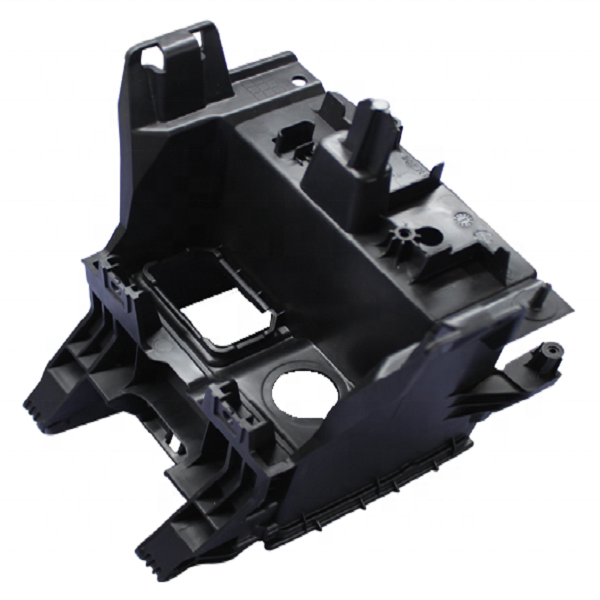
The Molecular Structure Behind Nylon's Durability
Nylon’s durability stems from its unique molecular structure. As a polyamide, it is composed of long chains of repeating units linked by amide bonds. These amide bonds are strong covalent connections, providing nylon with excellent mechanical strength. The tight arrangement of these molecular chains resists external forces that could cause breakage or deformation. This robust structure allows nylon to withstand high levels of tension, abrasion, and stretching without easily tearing or wearing out. For instance, the strong intermolecular forces within nylon make it an ideal material for products that need to endure repeated stress, laying the foundation for its reputation as a durable material.

Nylon’s durability shines through in numerous applications. In the world of outdoor gear, nylon is a top choice for items like backpacks, tents, and ropes. A nylon backpack can endure the rough handling during hikes, resist scratches from branches, and carry heavy loads without fraying or ripping. Similarly, nylon tents can withstand harsh weather conditions, from strong winds to heavy rain, thanks to its high tensile strength and resistance to moisture - induced degradation. In the fashion industry, nylon is used in activewear and sportswear. Nylon - based fabrics can maintain their shape and color even after multiple washes and intense physical activities, demonstrating its long - lasting quality in clothing applications.
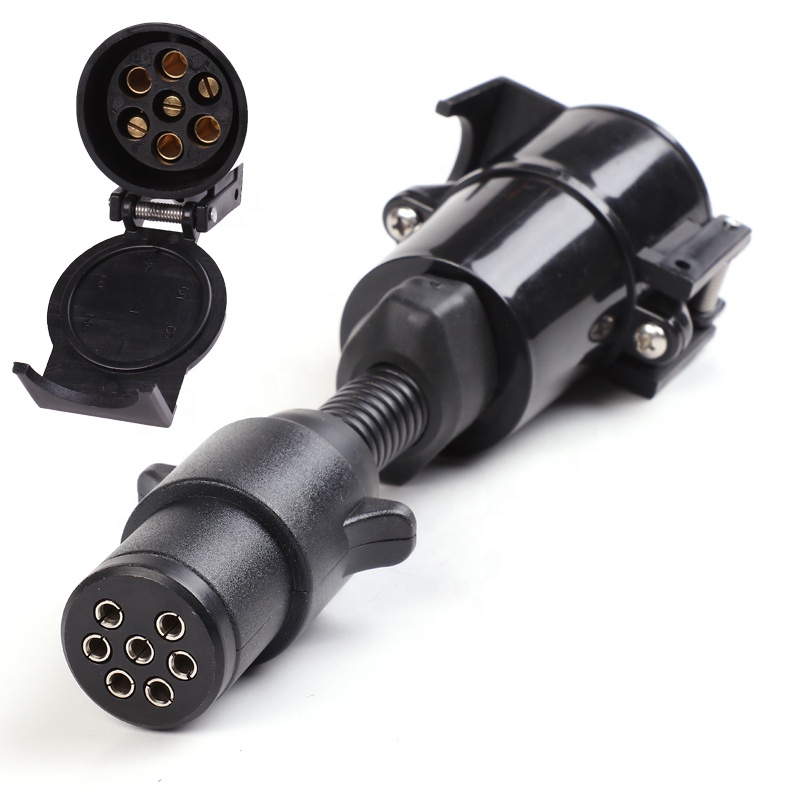
Factors Affecting Nylon's Durability
While nylon is generally durable, certain factors can impact its lifespan. Exposure to high temperatures for extended periods can cause nylon to soften and lose some of its mechanical properties, reducing its durability. Chemicals also play a role; strong acids and alkalis can break down the amide bonds in nylon, weakening the material over time. Additionally, UV radiation from sunlight can degrade nylon, causing it to become brittle and discolored. However, with proper care and the use of protective treatments, such as adding UV stabilizers during manufacturing, the negative effects of these factors can be minimized, allowing nylon to retain its durability for a longer time.
In conclusion, nylon is indeed a durable material, with its strength rooted in its molecular structure and proven by its performance across various applications. Although external factors can influence its durability, with appropriate precautions, nylon can maintain its resilience and longevity, making it a reliable choice for countless products in different industries.
Is Nylon Good?
Is Nylon Conductive
Related Article

Fast sampling is the fastest way to win business in the hardware machining and plastic mold industries. Customers want a working sample in days, and a 3D printer delivers it, but only when you know how to print in 3d correctly.
how to print in 3d

Fast sampling is the fastest way to win business in the hardware machining and plastic mold industries. Customers often send an STL file and expect a working sample in days.
how to print an stl file

