
Is Nylon Biodegradable
Author: SZTC
2025-06-26
In an era where environmental sustainability is at the forefront of global concerns, understanding the biodegradability of materials like nylon has become crucial. Nylon, a widely used synthetic polymer, has numerous applications in various industries. But the question remains: is nylon biodegradable? Let’s explore this topic in detail.

To understand nylon’s biodegradability, we first need to look at its chemical structure. Nylon is a polyamide, created through a chemical reaction that forms long chains of repeating units. These strong chemical bonds in its structure make nylon highly durable, which is why it’s favored for products like clothing, ropes, and carpets. However, this very durability is what poses a challenge for biodegradation. Microorganisms in the environment, which are responsible for breaking down organic materials, struggle to break these robust chemical bonds. As a result, under normal environmental conditions, nylon degrades at an extremely slow pace, taking decades or even centuries to decompose fully.

Several factors can influence the biodegradation of nylon. Temperature and humidity play significant roles. In warmer and more humid environments, the rate of chemical and biological reactions increases, potentially speeding up the breakdown of nylon. However, even in these favorable conditions, the process is still relatively slow compared to natural materials. Additionally, the presence of specific enzymes and microorganisms can impact biodegradation. Some research has focused on identifying bacteria and fungi that produce enzymes capable of breaking down nylon’s chemical bonds. But currently, these organisms are not commonly found in most natural ecosystems, further contributing to nylon’s persistence in the environment.
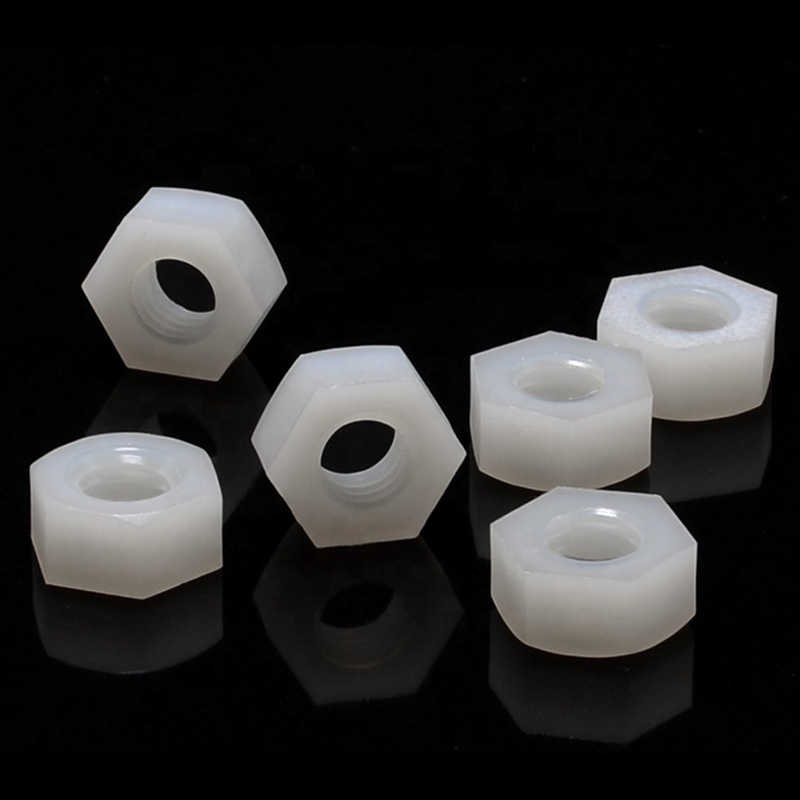
Given the slow biodegradation rate of nylon, exploring sustainable alternatives is essential. One option is biodegradable polymers made from renewable resources, such as polylactic acid (PLA). PLA is derived from plant - based materials like cornstarch and can break down much faster under composting conditions. Another alternative is natural fibers like cotton, linen, and wool, which are fully biodegradable and have a lower environmental impact. While these materials may not offer the exact same properties as nylon in terms of strength and durability, ongoing research and innovation aim to enhance their performance, making them more viable substitutes in various applications.
In conclusion, nylon is not biodegradable in the traditional sense, as it takes an extremely long time to decompose in the natural environment. Its chemical structure and the lack of common degrading agents in nature contribute to this slow breakdown. As we strive for a more sustainable future, it’s important to consider the environmental impact of materials like nylon and explore and adopt biodegradable alternatives whenever possible. By doing so, we can reduce the accumulation of non - biodegradable waste and protect our planet’s ecosystems.
Is Nylon Conductive
Is Nylon Better Than Polyester
Related Article

Fast sampling is the fastest way to win business in the hardware machining and plastic mold industries. Customers want a working sample in days, and a 3D printer delivers it, but only when you know how to print in 3d correctly.
how to print in 3d

Fast sampling is the fastest way to win business in the hardware machining and plastic mold industries. Customers often send an STL file and expect a working sample in days.
how to print an stl file

