
Is Nylon a Polyamide? Unraveling the Chemical Connection
Author: SZTC
2025-06-18
In the realm of synthetic materials, nylon has long been a staple, but a common question persists: is nylon a polyamide? The answer is a resounding yes. Understanding this connection not only provides insights into the material's nature but also helps explain its widespread use across various industries. Let's take a closer look at the relationship between nylon and polyamides.
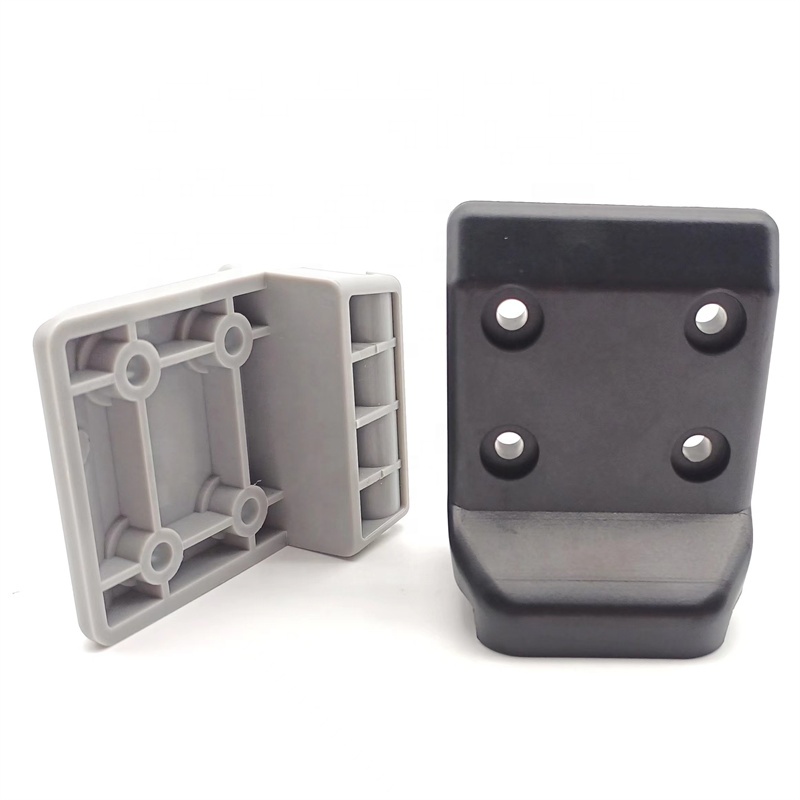
Defining Polyamides
Chemical Structure
Polyamides are a class of polymers characterized by the presence of amide groups (-CONH-) in their molecular structure. These amide groups are formed through a condensation reaction between carboxylic acid groups and amine groups. This unique chemical structure endows polyamides with a range of distinctive properties. The amide linkages create strong intermolecular forces, such as hydrogen bonds, which contribute to the material's mechanical strength, durability, and heat resistance.
Types and General Properties
There are two main types of polyamides: those derived from diamines and dicarboxylic acids, and those formed from amino acids or lactams. Polyamides are generally known for their high tensile strength, good abrasion resistance, and excellent chemical resistance. These properties make them suitable for a wide variety of applications, from textiles to high - performance engineering components.
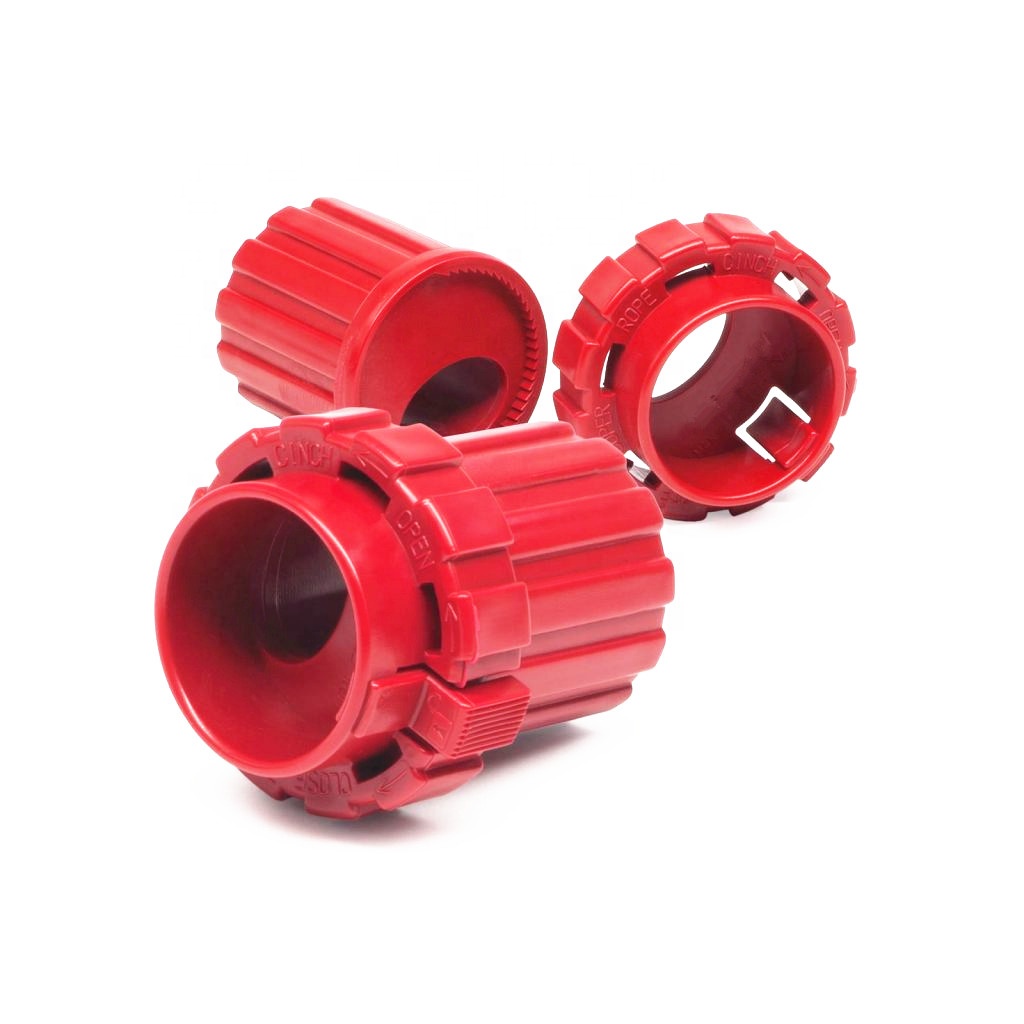
Nylon is indeed a polyamide. It was the first synthetic fiber to be made from polyamides. Different types of nylon are produced through various chemical processes, but all share the fundamental characteristic of having amide linkages in their polymer chains. For example, Nylon 6 is produced by the ring - opening polymerization of caprolactam, which contains an amino group and a carboxylic acid group within the same molecule. Nylon 6,6, on the other hand, is synthesized from hexamethylenediamine (a diamine) and adipic acid (a dicarboxylic acid). In both cases, the resulting polymers are polyamides due to the formation of amide bonds during the polymerization process.
Naming Conventions
The naming of nylon types is closely related to its chemical composition. The numbers in the name of nylon, such as Nylon 6 or Nylon 6,6, have specific meanings. In the case of Nylon 6, the number 6 refers to the six carbon atoms in the caprolactam monomer. For Nylon 6,6, the first 6 indicates the six carbon atoms in hexamethylenediamine, and the second 6 represents the six carbon atoms in adipic acid. This naming system helps to identify the raw materials used in the production of different nylon types and also gives an indication of their potential properties.
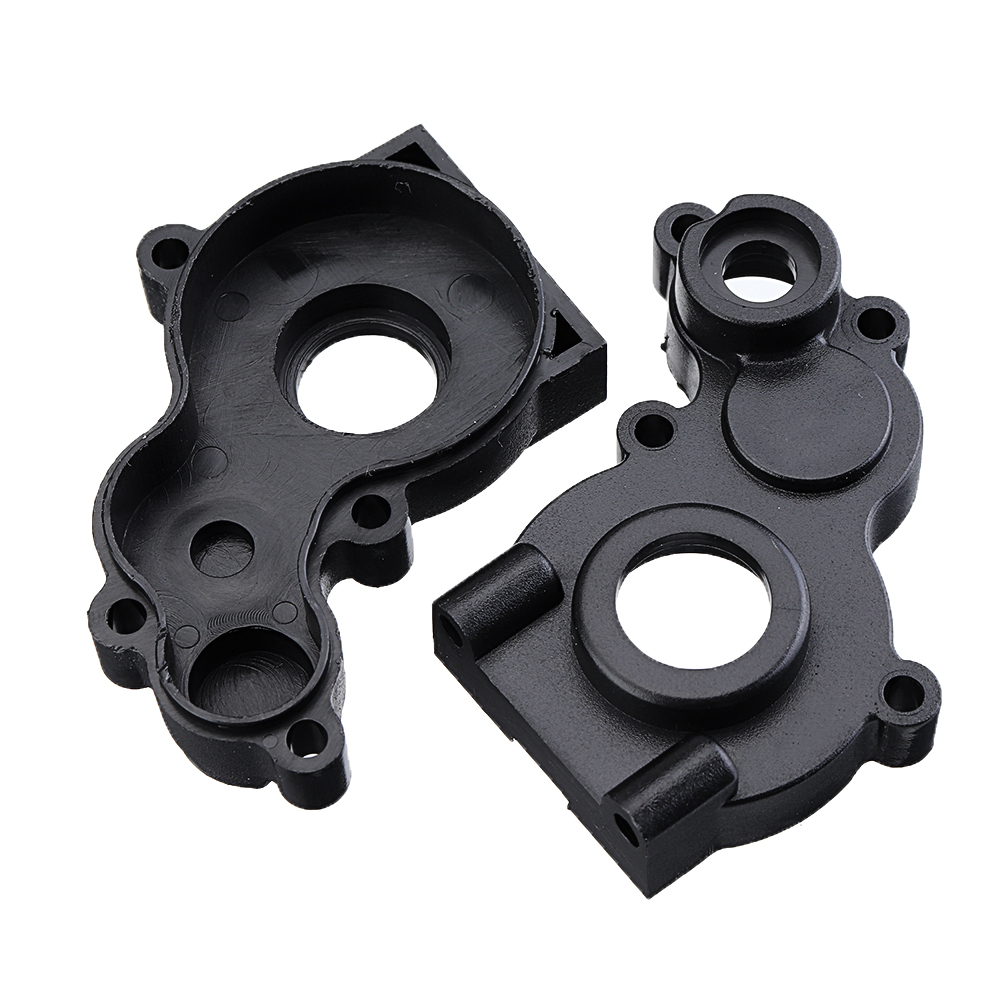
Properties and Applications of Nylon as a Polyamide
Mechanical and Physical Properties
As a polyamide, nylon exhibits outstanding mechanical properties. It has high tensile strength, allowing it to withstand significant pulling forces without breaking. This makes it ideal for applications such as ropes, cables, and conveyor belts. Nylon also has good abrasion resistance, which is why it is commonly used in the production of gears, bearings, and other mechanical components that are subject to friction. Additionally, nylon has excellent flexibility and elasticity, enabling it to be used in textiles for clothing, hosiery, and sportswear.
Diverse Applications
The fact that nylon is a polyamide has led to its widespread use across numerous industries. In the textile industry, nylon fibers are highly valued for their strength, durability, and ability to be dyed in a variety of colors. In the automotive industry, nylon is used to make engine components, fuel lines, and electrical connectors due to its heat resistance, chemical resistance, and mechanical properties. In the electronics industry, nylon is used for making casings, connectors, and insulators. Its electrical insulation properties, combined with its strength and durability, make it a preferred material for protecting sensitive electronic components.
In conclusion, nylon is undoubtedly a polyamide. Its chemical structure, which contains amide linkages, defines it as a member of the polyamide family. This classification not only explains its unique properties but also accounts for its extensive use in countless applications. Understanding the relationship between nylon and polyamides provides a deeper appreciation for the versatility and importance of this remarkable material in modern society.
Is Nylon Cotton: A Blend of Strength and Comfort
How Much Does Nylon Cost? A Comprehensive Guide
Related Article

Fast sampling is the fastest way to win business in the hardware machining and plastic mold industries. Customers want a working sample in days, and a 3D printer delivers it, but only when you know how to print in 3d correctly.
how to print in 3d

Fast sampling is the fastest way to win business in the hardware machining and plastic mold industries. Customers often send an STL file and expect a working sample in days.
how to print an stl file

