
Is Gold Plated Magnetic? Unveiling the Science Behind the Shine
Author: SZTC
2025-10-27
Gold has long been cherished for its beauty, rarity, and unique properties—but when it comes to gold-plated items, a common question arises: Is gold plated magnetic? Whether you’re a jewelry collector, a curious shopper, or someone testing a vintage piece, understanding the magnetic behavior of gold-plated objects requires a quick dive into chemistry, metallurgy, and how plating works. Let’s break it down step by step.

Before we tackle magnetism, let’s clarify what “gold plated” actually means. Gold plating is a thin layer of real gold (usually 10K to 24K purity) applied to a base metal using an electrochemical process called electroplating. The key here is the “thin layer”: the gold coating typically measures just a few microns thick (1 micron = 0.001 millimeters)—far too thin to dominate the item’s overall properties, including magnetism.
The base metal beneath the gold is what matters most for magnetism. Common base metals in gold-plated goods include:
- Copper (used in jewelry, decorative items)
- Brass (an alloy of copper and zinc, popular for watches and hardware)
- Nickel (once common in jewelry, now less so due to allergies)
- Iron or steel (used in budget-friendly accessories or industrial parts)
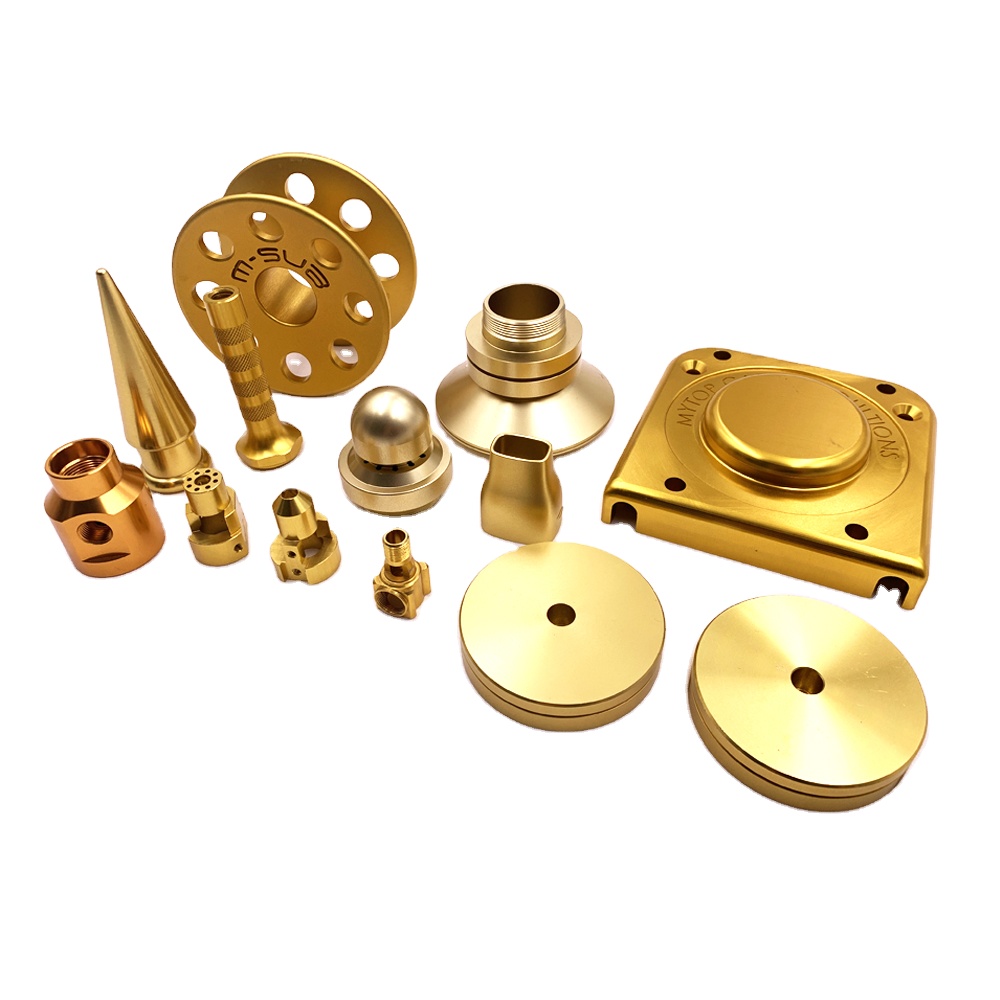
To answer “Is gold plated magnetic?,” we first need to address pure gold’s behavior: pure gold is not magnetic. Gold is a “diamagnetic” material, meaning it weakly repels magnetic fields (a effect so faint you’d never notice with a regular magnet). So if an item were solid gold, it would not stick to a magnet—no exceptions.
But gold-plated items are not solid gold. Their magnetism depends entirely on the base metal:
2.1 Magnetic Base Metals = Magnetic Gold-Plated Items
If the base metal is ferromagnetic (meaning it’s attracted to magnets), the gold-plated item will also be magnetic. Examples include:
- Gold-plated steel jewelry (steel is an iron alloy, highly magnetic).
- Gold-plated iron tools or decorative accents.
In these cases, the thin gold layer does not block or override the base metal’s magnetic properties—if you hold a magnet to the item, it will stick.
2.2 Non-Magnetic Base Metals = Non-Magnetic Gold-Plated Items
If the base metal is not ferromagnetic, the gold-plated item will not be magnetic either. Common non-magnetic base metals include:
- Copper (used in many gold-plated necklaces or bracelets).
- Brass (a copper-zinc alloy, non-magnetic).
- Silver (sometimes used as a base for high-end gold plating, non-magnetic).
For example, a gold-plated copper bracelet will not stick to a magnet—just like solid copper or solid gold.

If you want to check whether a gold-plated item is magnetic, follow these simple steps (note: this test only tells you about the base metal—not the purity or thickness of the gold plating):
3.1 Gather Your Tools
You’ll need a strong magnet—preferably a neodymium magnet (the small, powerful ones used in electronics or crafts). Regular fridge magnets may be too weak to detect subtle magnetic properties.
3.2 Perform the Test
- Hold the magnet near the gold-plated item (avoid scratching the surface—place a soft cloth between the magnet and the item if needed).
- Observe if there’s any attraction:
-
- If it sticks: The base metal is likely iron, steel, or another ferromagnetic material.
-
- If it doesn’t stick: The base metal is probably copper, brass, silver, or a non-magnetic alloy.
3.3 What the Test Doesn’t Tell You
Important: A magnetic test cannot confirm if an item is “real gold plated” or just painted to look like gold. Fake gold-plated items (e.g., plastic coated with gold paint) may also be non-magnetic (if the base is plastic) or magnetic (if the base is metal). For a more accurate assessment of gold plating quality, you’d need to use a gold testing kit (which checks the gold layer’s purity) or consult a jeweler.
Final Thoughts
So, is gold plated magnetic? The answer is: it depends on the base metal. Pure gold itself isn’t magnetic, but the metal beneath the gold coating determines whether the item will stick to a magnet. This simple science helps demystify why some gold-plated pieces react to magnets and others don’t—saving you from confusion when shopping or evaluating your collection.
Next time you pick up a gold-plated necklace or watch, grab a magnet and put it to the test—you might be surprised by what you learn about its hidden base!
Is Gold Plated Sterling Silver Good? A Complete Guide for Shoppers
Is Gold Plated Brass Good? A Complete Guide to This Popular Jewelry Material
Related Article

Fast sampling is the fastest way to win business in the hardware machining and plastic mold industries. Customers want a working sample in days, and a 3D printer delivers it, but only when you know how to print in 3d correctly.
how to print in 3d

Fast sampling is the fastest way to win business in the hardware machining and plastic mold industries. Customers often send an STL file and expect a working sample in days.
how to print an stl file

