
Is Gold Filled or Gold Plated Better? A Comprehensive Comparison
Author: SZTC
2025-07-29
When shopping for affordable gold jewelry, you’ll likely come across two common terms: gold filled and gold plated. Both offer the look of gold at a fraction of the cost of solid gold, but they differ significantly in quality, durability, and value. The question is: is gold filled or gold plated better? Let’s explore the key differences to help you make an informed choice.
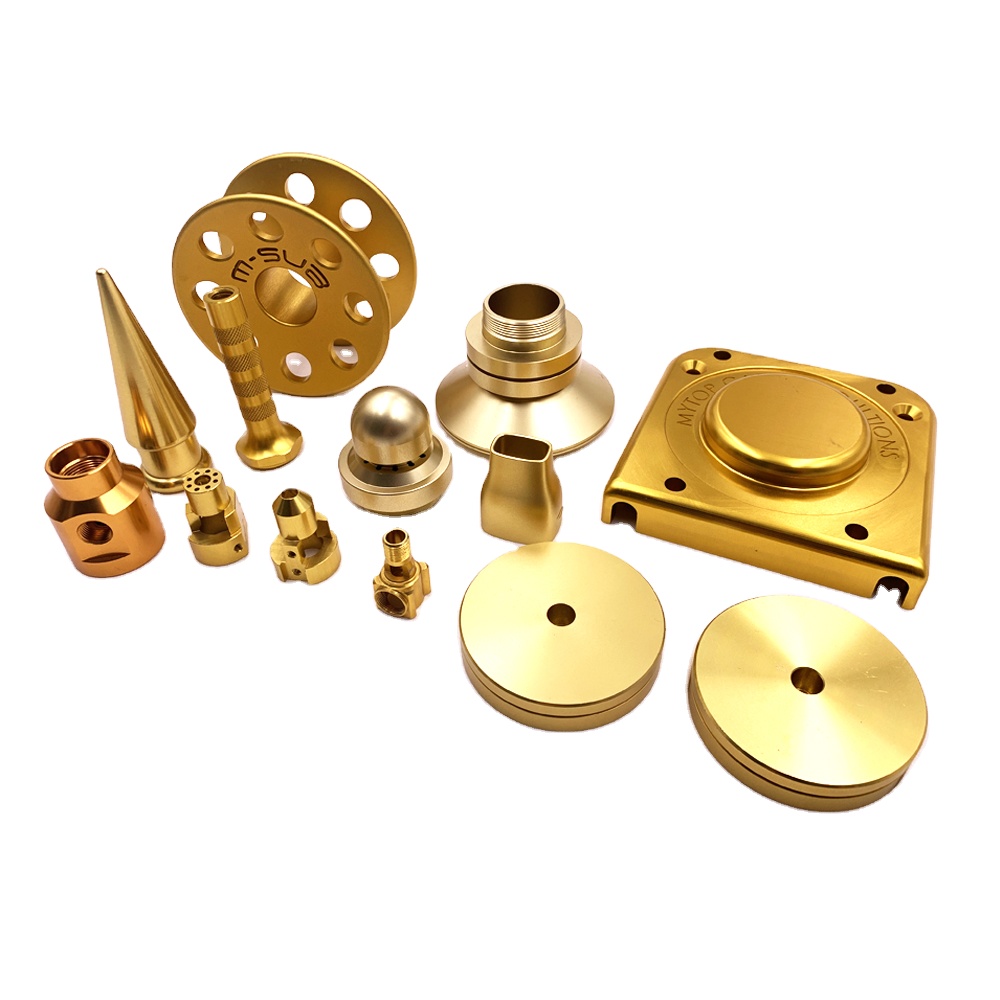
Before comparing them, it’s essential to understand what each term means.
Gold Plated Jewelry
Gold plated jewelry features a base metal (often sterling silver, brass, or copper) coated with a thin layer of gold using an electrochemical process. The gold layer is extremely thin, typically ranging from 0.175 microns to 2.5 microns. While some higher-quality gold plating (like gold vermeil, which uses a sterling silver base and a thicker gold layer of at least 2.5 microns) offers better longevity, most standard gold plated pieces have a minimal gold coating.
Gold Filled Jewelry
Gold filled jewelry, on the other hand, is created by bonding a thick layer of gold to a base metal (usually brass) through heat and pressure. The gold layer in gold filled items is significantly thicker than in gold plated pieces—by law, it must make up at least 5% of the total weight of the item. This translates to a gold layer that can be 100 to 1,000 times thicker than standard gold plating, often measuring 20 to 100 microns. The result is a more robust bond between the gold and the base metal.

To determine which is better, let’s compare them across critical factors like durability, appearance, and cost.
Durability
Gold filled jewelry is far more durable than gold plated options. The thick gold layer is firmly bonded to the base metal, making it resistant to wear, scratching, and tarnishing. With proper care, gold filled pieces can last for decades, even with daily use. The gold layer is thick enough that it won’t wear away easily, so the jewelry maintains its gold color and finish over time.
Gold plated jewelry, however, is much less durable. The thin gold layer can wear off quickly, especially with frequent use. Factors like friction (from rubbing against clothing or other surfaces), exposure to moisture, and contact with chemicals (like perfumes or lotions) can cause the gold plating to fade, peel, or tarnish, revealing the base metal underneath. Even high-quality gold vermeil may start to show signs of wear after a few years with regular use.
Appearance
Both gold filled and gold plated jewelry can have a beautiful, gold-like appearance when new. The color depends on the type of gold used (e.g., yellow gold, rose gold, or white gold), and both can mimic the look of solid gold effectively.
Over time, though, their appearances diverge. Gold filled jewelry retains its shine and color because the thick gold layer resists wear. It won’t tarnish easily, and even with minor scratches, the gold layer remains intact, so the damage is less noticeable.
Gold plated jewelry may start to look dull or discolored as the gold layer wears thin. Tarnishing can occur on the exposed base metal, creating dark spots or a uneven finish. Once the gold plating fades, the base metal (which may be silver, brass, or copper) becomes visible, giving the jewelry a worn or cheapened look.
Cost and Value
Gold plated jewelry is generally more affordable upfront. The thin gold layer requires less gold, making production costs lower. This makes it a popular choice for trendy, fast-fashion jewelry or pieces you don’t plan to keep long-term. However, its lower durability means you may need to replace it more often, which can add up over time.
Gold filled jewelry is more expensive initially. The thicker gold layer and more complex manufacturing process increase production costs. But when considering long-term value, gold filled jewelry is a better investment. Its longevity means it won’t need frequent replacement, and it often retains more of its value over time. Many gold filled pieces are considered heirloom-quality, as they can be passed down through generations.
The answer depends on your needs and priorities:
- Choose gold filled if you want durability, longevity, and value. It’s ideal for everyday jewelry (like wedding bands, necklaces, or bracelets), pieces you plan to wear regularly, or items you want to last for years. It’s also a great option if you have sensitive skin, as the thick gold layer reduces the risk of irritation from the base metal.
- Choose gold plated if you’re on a budget, want trendy styles that you may not wear long-term, or prefer to switch up your jewelry collection frequently. It’s suitable for occasional wear pieces (like statement necklaces or costume jewelry) that don’t need to withstand daily use.

While both gold filled and gold plated jewelry offer the look of gold at a lower cost than solid gold, gold filled is clearly better in terms of durability, longevity, and long-term value. Gold plated jewelry is more affordable but lacks the staying power of gold filled pieces, making it better suited for temporary or occasional wear. By understanding their differences, you can choose the option that best fits your lifestyle, budget, and jewelry goals.
What Is Gold Filled vs Gold Plated? Understanding the Key Differences
Does Gold Plated Sterling Silver Tarnish? Everything You Need to Know
Related Article

Fast sampling is the fastest way to win business in the hardware machining and plastic mold industries. Customers want a working sample in days, and a 3D printer delivers it, but only when you know how to print in 3d correctly.
how to print in 3d

Fast sampling is the fastest way to win business in the hardware machining and plastic mold industries. Customers often send an STL file and expect a working sample in days.
how to print an stl file

