
Is 14K Gold Plated Real? Unpacking the Truth
Author: SZTC
2025-08-12
When shopping for gold jewelry, terms like “14K gold plated” often spark confusion. Is it real gold? Does it hold value? These questions are critical for anyone looking to invest in or understand gold-colored pieces. In this blog, we’ll break down what 14K gold plated means, whether it qualifies as “real,” and how it differs from other gold options.
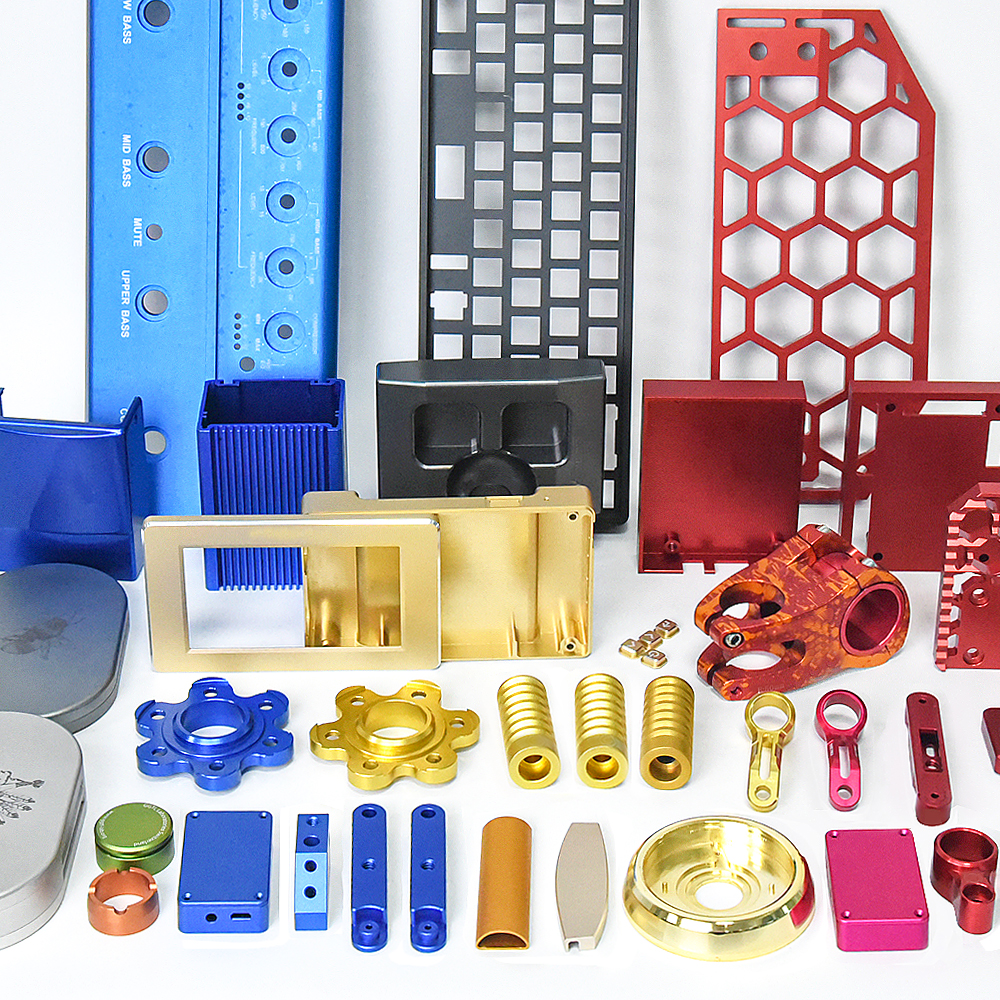
To understand if 14K gold plated is real, we first need to define what the term describes.
1.1 The Composition of 14K Gold Plated Items
14K gold plated refers to a base metal (such as copper, brass, or nickel) coated with a thin layer of 14K gold. 14K gold itself is a real alloy containing 58.3% pure gold mixed with other metals like silver, zinc, or copper to strengthen it. The “plated” part means this 14K gold layer is applied to the surface of another metal using techniques like electroplating.
1.2 How Thick Is the Gold Layer?
The gold layer in 14K gold plated items is extremely thin—typically measured in microns (one micron is 0.001 millimeters). Standards vary, but it’s often as thin as 0.5 to 2 microns. This is much thinner than gold-filled or solid gold pieces, which is a key distinction in terms of durability and value.
The answer depends on how you define “real.” Let’s clarify.
2.1 The Gold Layer Is Real, but It’s Not Solid
The thin layer of 14K gold on the surface is indeed real gold. However, the item as a whole is not solid gold. The base metal makes up the majority of its structure, with the 14K gold serving only as a decorative or protective coating.
2.2 Distinguishing from Other Gold Terms
It’s easy to confuse 14K gold plated with similar terms, but they’re not the same:
- 14K solid gold: Entirely made of the 14K gold alloy, with no base metal.
- 14K gold filled: Has a thicker layer of 14K gold bonded to a base metal (often 5% or more of the item’s weight is gold).
- 14K gold plated: The thinnest gold layer, making it less valuable and durable than the above.

Understanding the reality of 14K gold plated items helps set expectations.
3.1 Advantages
- Affordability: Much cheaper than solid 14K gold, making it accessible for trendy or temporary jewelry.
- Aesthetic appeal: Offers the look of 14K gold without the high cost, ideal for fashion-forward pieces.
3.2 Disadvantages
- Wear and tear: The thin gold layer can chip, fade, or wear off over time, especially with frequent use. This reveals the base metal, which may tarnish or cause skin irritation (if nickel is used).
- Low value: Due to the minimal gold content, 14K gold plated items have little to no intrinsic value. They’re not considered investments.

So, is 14K gold plated real? The gold layer itself is real 14K gold, but the item is not solid gold. It’s a budget-friendly option for achieving the look of gold, but it lacks the durability and value of solid or gold-filled alternatives. When purchasing 14K gold plated items, manage expectations—they’re best for temporary use or fashion statements, not long-term value. Always check for hallmarks like “14K GP” to confirm it’s plated, and care for them gently to extend the life of the gold layer.
Is Gold Filled Better Than Gold Plated:A Detailed Comparison
How to Tell If Something Is Gold Plated: A Comprehensive Guide
Related Article

Fast sampling is the fastest way to win business in the hardware machining and plastic mold industries. Customers want a working sample in days, and a 3D printer delivers it, but only when you know how to print in 3d correctly.
how to print in 3d

Fast sampling is the fastest way to win business in the hardware machining and plastic mold industries. Customers often send an STL file and expect a working sample in days.
how to print an stl file

