
How to Use 3D Printing for Hardware & Plastic Mold Rapid Sampling
Author: SZTC
2026-05-13


Samuel Song Your service representative
Specializing in zinc-aluminum-magnesium alloy die-casting processing, CNC milling, CNC turning, 3D printing, injection molding and sheet metal processing. Manufacturing services.
-----------------------------------------------------------------------------------------------------------------------------------------------------------------------------------------------------------------------------------------------------------------------------------------------------------------------------------------------
3D printing has become an essential rapid prototyping technology in hardware processing and plastic mold manufacturing. Many factory technicians continuously explore how to use 3D printing correctly to shorten sampling cycles and verify product structures. Mastering standard industrial usage helps manufacturers reduce mold modification risks and cut production costs.
1. Pre-Print Preparation for Industrial Usage
The first step to learn how to use 3D printing is completing standardized pre-production preparation.
1.1 Model Optimization for Mold and Hardware
Engineers optimize CAD files according to industrial application scenarios. Thin walls and sharp corners are revised to avoid printing failure, especially for intricate plastic mold inserts and irregular hardware fixtures.
1.2 Reasonable Material Selection
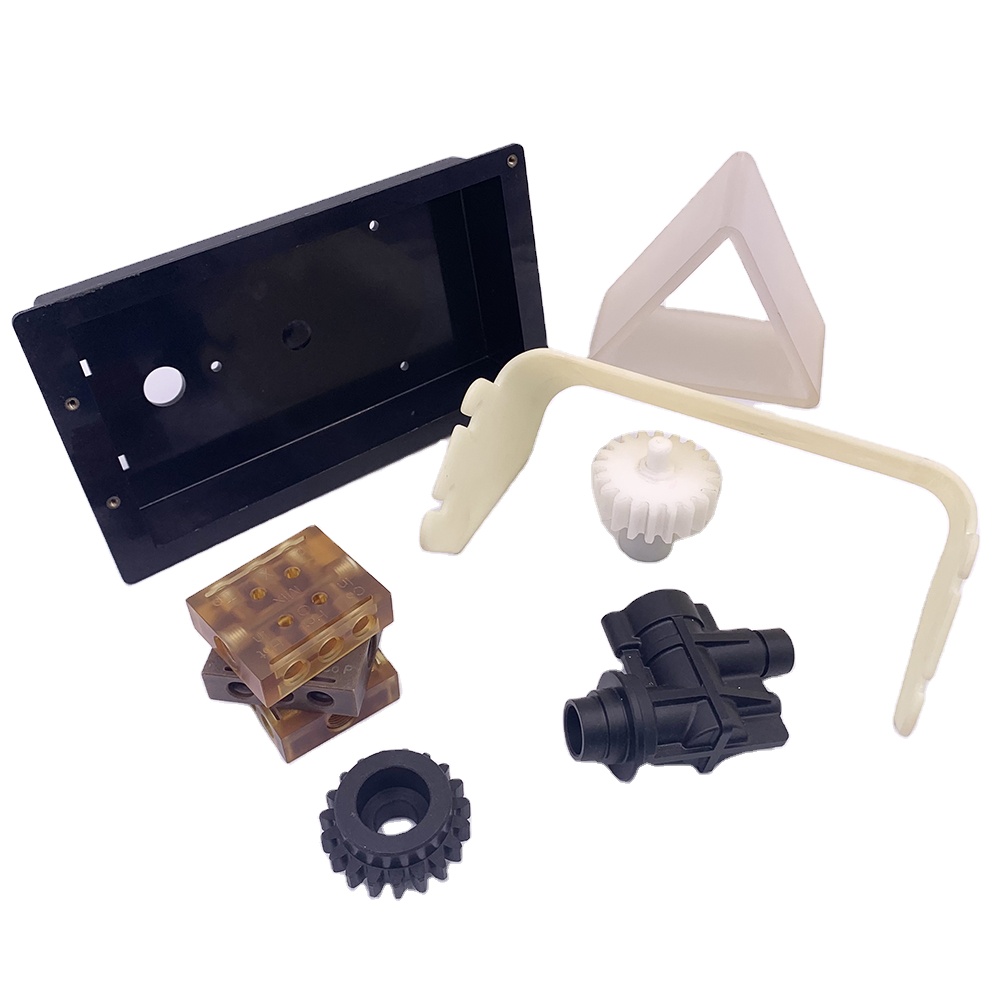
Select suitable printing materials based on usage purposes. High-transparency resin applies to plastic appearance samples, while metal powder is used for durable functional hardware prototypes.
2. Parameter Setting and Printing Operation
Professional configuration is the core stage when learning how to use 3D printing for factory sampling.
2.1 Precision Parameter Adjustment
Operators adjust layer height, printing temperature and moving speed. Fine parameters deliver smooth surfaces for mold samples, while faster settings improve efficiency for ordinary hardware jigs.
2.2 Real-Time Printing Monitoring
During operation, technicians observe material stacking and layer adhesion. Timely troubleshooting prevents defects like deformation and layer separation, ensuring stable sample quality.

3. Post-Processing and Industrial Application
Final processing completes the full workflow of how to use 3D printing in manufacturing industries.
3.1 Surface Finishing Treatment
Remove redundant supports and polish printed samples. Additional treatments such as sandblasting and anodizing can be applied to hardware parts to meet assembly standards.
3.2 Sample Testing and Iteration
Finished prototypes are used for assembly testing and structural verification. Manufacturers modify mold designs and hardware structures based on test feedback before formal mass production.
In summary, how to use 3D printing includes pre-print optimization, precise operation and post-processing inspection. For hardware and plastic mold industries, standardized printing methods greatly simplify rapid sampling and accelerate product development iteration.
How to Work a 3D Printer for Industrial Mold and Hardware Sampling
How to Get 3D Printer Files for Hardware and Mold Fast Sampling
Related Article

Fast sampling is the fastest way to win business in the hardware machining and plastic mold industries. Customers want a working sample in days, and a 3D printer delivers it, but only when you know how to print in 3d correctly.
how to print in 3d

Fast sampling is the fastest way to win business in the hardware machining and plastic mold industries. Customers often send an STL file and expect a working sample in days.
how to print an stl file

