
How to Tell If Something Is Gold Plated: A Comprehensive Guide
Author: SZTC
2025-08-12
Gold has long been a symbol of wealth and elegance, but not all shiny, golden items are made of solid gold. Many pieces are gold plated—meaning a thin layer of gold is applied to a base metal like copper, silver, or nickel. Knowing how to distinguish gold-plated items from solid gold is crucial, whether you’re buying jewelry, antiques, or other gold-colored objects. In this guide, we’ll walk you through practical methods to determine if something is gold plated.

The first step in identifying gold plating is to examine the item closely with your eyes. Often, small details can reveal its true nature.
1.1 Check for Discoloration or Wear
Gold plating is a thin layer, so over time, it can wear away, especially in areas that experience frequent friction. Look for:
- Tarnished spots: If you see silver, copper, or another metal peeking through, especially on edges, clasps, or areas that rub against skin or other objects, it’s likely gold plated.
- Uneven color: Solid gold maintains a consistent hue, but plated items might have patches where the gold layer is thinner or missing, creating a splotchy appearance.
1.2 Look for Hallmarks or Stamps
Manufacturers often mark gold-plated items to indicate their composition. Check for stamps like:
- GP (Gold Plated)
- HGP (Heavy Gold Plated)
- GF (Gold Filled, a related term where a thicker layer is bonded to the base metal)
- Numbers like “18K GP” (meaning 18-karat gold plating)
These stamps are usually small and may be hidden in crevices, such as the inside of a ring band or the back of a necklace clasp.
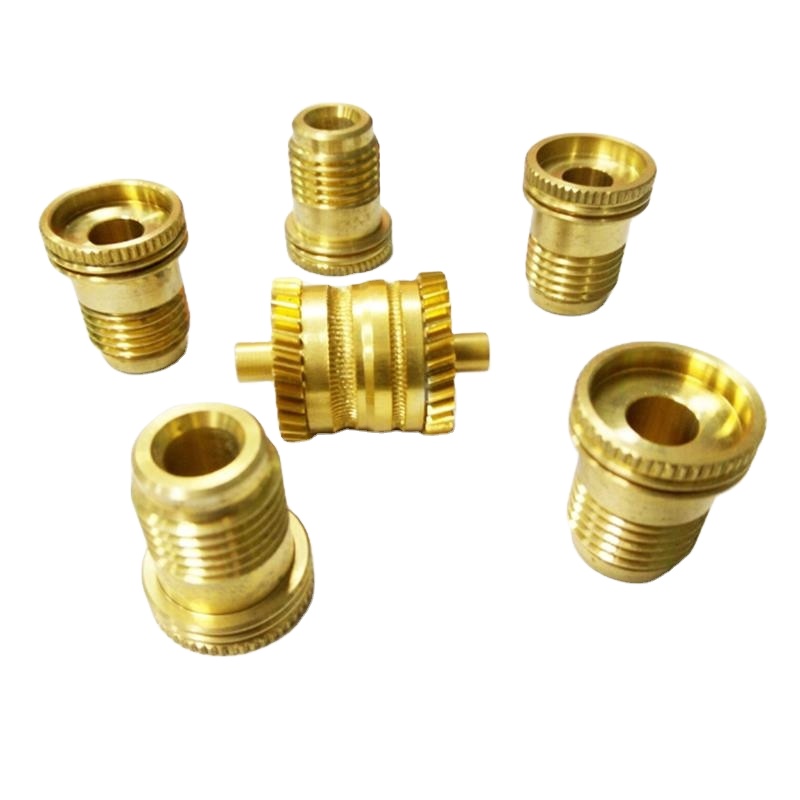
If visual inspection isn’t enough, several simple tests can help confirm if an item is gold plated. These methods are safe and require minimal tools.
2.1 The Magnet Test
Most base metals used in gold plating (like iron or nickel) are magnetic, while solid gold is not. Here’s how to do it:
- Grab a strong magnet (a neodymium magnet works best).
- Hold the magnet near the item. If it sticks or is attracted to the magnet, the item is likely gold plated.
- Note: Some base metals (like copper) are not magnetic, so this test isn’t foolproof. Use it in combination with other methods.
2.2 The Nitric Acid Test (Caution Advised)
Nitric acid reacts with base metals but not with pure gold. This test is more definitive but requires caution:
- Wear gloves and eye protection, and work in a well-ventilated area.
- Scratch a small, inconspicuous area of the item to expose the underlying metal.
- Apply a drop of nitric acid to the scratch. If the area turns green or bubbles, it’s gold plated (the acid is reacting with the base metal). If nothing happens, it may be solid gold.

For valuable items or when you need absolute certainty, consulting a professional is the best option.
3.1 Jewelry Appraisers or Goldsmiths
Experts have specialized tools, such as electronic gold testers, which measure the metal’s conductivity to determine its purity. They can also use X-ray fluorescence (XRF) machines to analyze the item’s composition without damaging it.
3.2 Pawn Shops or Refiners
Many pawn shops and gold refiners offer free or low-cost testing. They often use acid tests or electronic devices to quickly identify whether an item is gold plated or solid gold.

Conclusion
Identifying gold-plated items involves a mix of visual checks, simple at-home tests, and, when needed, professional verification. By looking for wear, checking for hallmarks, using a magnet, or performing an acid test, you can gain a good sense of an item’s composition. For high-value pieces, though, trusting an expert ensures accuracy. Whether you’re a collector, buyer, or just curious, these methods will help you tell if that golden item is the real deal or just a plating.
Is 14K Gold Plated Real? Unpacking the Truth
How to Restore Gold Plated Jewelry at Home
Related Article

Fast sampling is the fastest way to win business in the hardware machining and plastic mold industries. Customers want a working sample in days, and a 3D printer delivers it, but only when you know how to print in 3d correctly.
how to print in 3d

Fast sampling is the fastest way to win business in the hardware machining and plastic mold industries. Customers often send an STL file and expect a working sample in days.
how to print an stl file

