
How to Remove Chrome Plating: A Complete Guide
Author: SZTC
2025-05-13
Chrome plating adds a shiny, durable finish to various objects, but there are times when you might need to remove it, such as during restoration projects or when preparing a surface for a new coating. Removing chrome plating requires the right approach and safety precautions. This blog post will provide you with a comprehensive guide on how to remove chrome plating effectively.
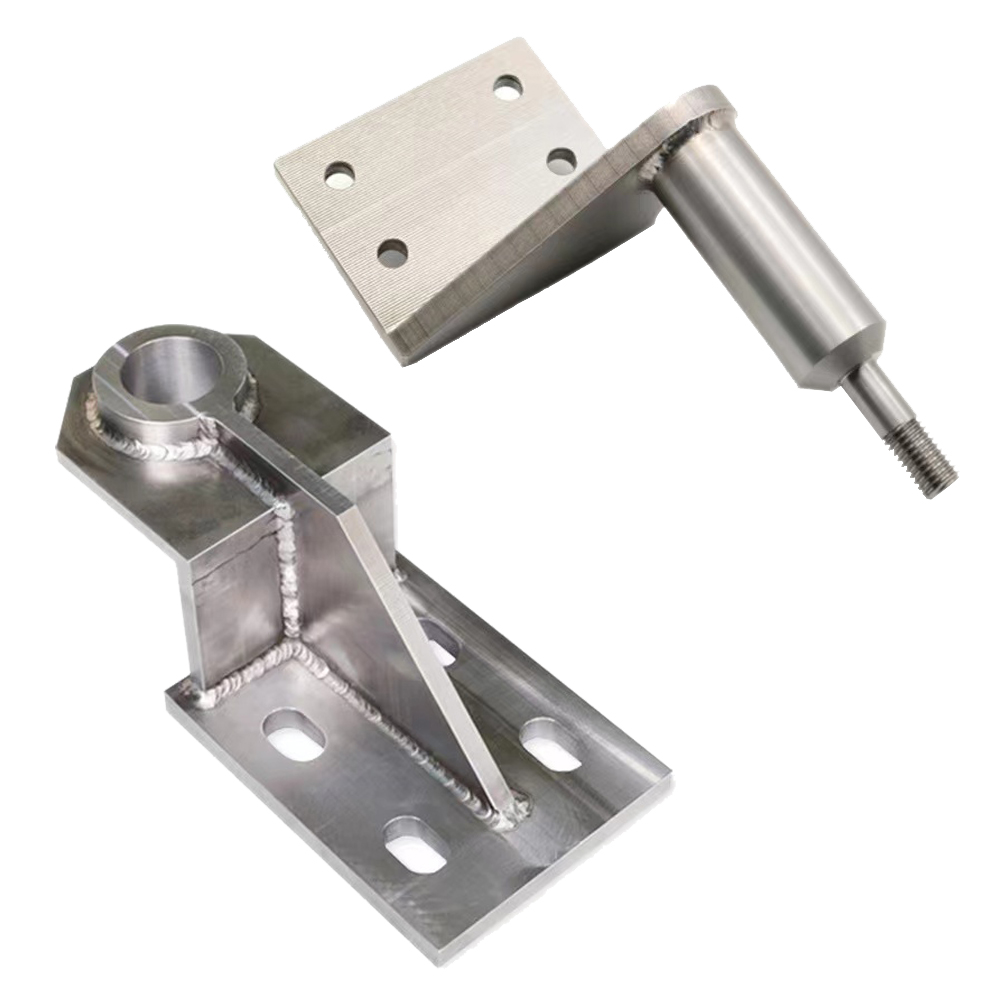
Preparation: Safety First
Before starting the chrome - plating removal process, proper preparation is essential, especially when it comes to safety. Chrome plating removal often involves using chemicals that can be harmful if not handled correctly. Wear appropriate personal protective equipment (PPE), including thick rubber gloves, safety goggles, and a long - sleeved shirt to protect your skin from chemical splashes. A respirator is also advisable, as some chemicals release fumes that can be hazardous to inhale.
Gather all the necessary tools and materials. You'll typically need chemical strippers designed for chrome removal, plastic or rubber containers to hold the chemicals, brushes (preferably non - metallic to avoid scratching the base material), and plenty of water for rinsing. Additionally, choose a well - ventilated area to work in, such as an outdoor space or a garage with open windows and a fan to circulate the air.

Removal Methods: Chemical and Mechanical
Chemical Stripping
Chemical strippers are a popular choice for removing chrome plating. There are specialized chrome - removal solutions available on the market. Pour the chemical stripper into a plastic or rubber container, ensuring it's deep enough to submerge the object (if possible). Place the chrome - plated item into the container, making sure the entire plated surface is covered.
The time required for the chemical to work varies depending on the product and the thickness of the chrome layer. Check the manufacturer's instructions for the recommended soaking time. After the designated time, use a non - metallic brush to gently scrub the surface. The chrome plating should start to flake off. If some areas are stubborn, you may need to repeat the soaking and scrubbing process.
For smaller items or areas where chemical stripping isn't practical, mechanical removal can be an option. Sanding is a common mechanical method. Start with coarse - grit sandpaper (around 80 - 120 grit) to quickly remove the top layer of chrome. Be careful not to apply too much pressure, as this can damage the base material. As you progress and the chrome starts to wear away, switch to finer - grit sandpaper (220 - 400 grit) to smooth out the surface.
Another mechanical approach is using a wire brush attachment on a power drill. This can effectively remove chrome plating, but it's more aggressive, so use it with caution, especially on softer base materials. Move the wire brush in a consistent pattern to ensure even removal.

Post - Removal Steps: Cleaning and Preparation
Once the chrome plating is removed, thorough cleaning is necessary. Rinse the object with plenty of water to remove any remaining chemical stripper or debris from the mechanical removal process. For items cleaned with chemicals, you may want to use a mild detergent and warm water to further clean the surface.
After cleaning, dry the object completely to prevent rusting, especially if the base material is metal. Depending on your next steps, you may need to prepare the surface further. If you plan to apply a new coating, such as paint or a different type of plating, sand the surface lightly with fine - grit sandpaper to create a rough texture that will help the new coating adhere better.
Removing chrome plating can be a meticulous process, but with the right preparation, appropriate removal methods, and proper post - removal care, you can successfully strip the chrome and prepare the surface for your next project. Whether you're restoring an antique piece or customizing an item, following these steps will ensure a smooth and effective chrome - plating removal process.
Can You Paint Over Chrome Plating?
How to Glue Fabric to Metal: A Detailed Guide
Related Article

Fast sampling is the fastest way to win business in the hardware machining and plastic mold industries. Customers want a working sample in days, and a 3D printer delivers it, but only when you know how to print in 3d correctly.
how to print in 3d

Fast sampling is the fastest way to win business in the hardware machining and plastic mold industries. Customers often send an STL file and expect a working sample in days.
how to print an stl file

