
How to Polish Nickel Plating: Restore Its Brilliant Shine
Author: SZTC
2025-07-08
Nickel plating is prized for its sleek, reflective surface, but even with regular cleaning, it can lose its luster over time due to minor scratches, dullness, or oxidation. Polishing nickel plating is a great way to revive its shine and maintain its attractive appearance. However, it requires the right techniques and tools to avoid damaging the plating. In this blog, we’ll guide you through the process of polishing nickel plating effectively.
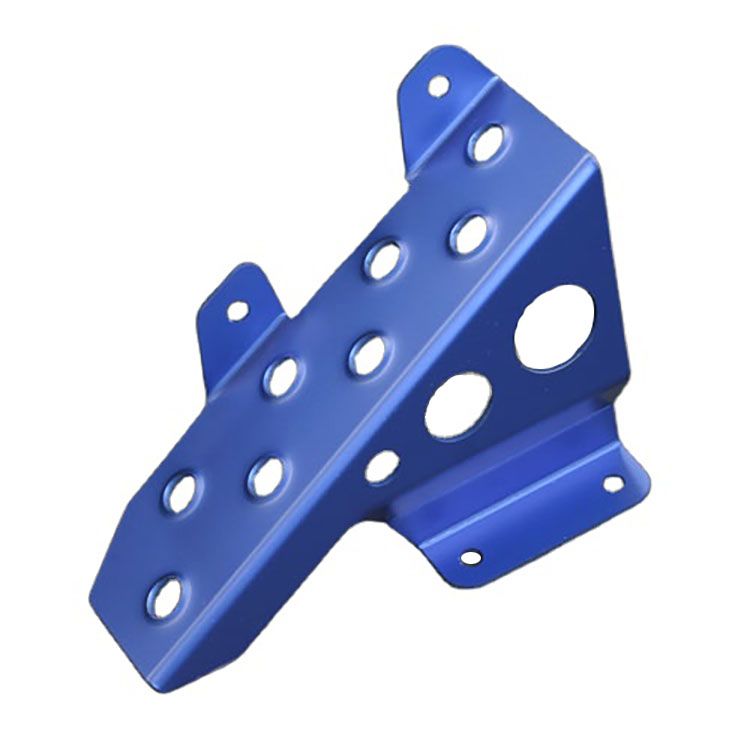
To get the finest results and preserve the nickel plating, you must properly prepare before you begin polishing.
1.1 Gather the necessary supplies
You’ll need:
- A soft, lint-free cloth (microfiber works well)
- Mild dish soap and warm water (for pre-cleaning)
- Nickel-specific polish (avoid abrasive metal polishes that contain harsh chemicals)
- A second clean, dry soft cloth (for buffing)
- Cotton swabs (for hard-to-reach areas)
1.2 Clean the surface first
Polishing a dirty surface can grind dirt into the nickel, causing scratches. Start by cleaning the item with a soft cloth dampened in warm, soapy water. Gently wipe away any dirt, grime, or fingerprints. Rinse with a damp cloth (without soap) to remove residue, then dry thoroughly with a clean cloth. Ensure the surface is completely dry before moving on to polishing.
The polishing process requires a gentle touch to avoid wearing down the nickel plating, which is often thin.
2.1 Apply the nickel polish
Shake the nickel polish well according to the product instructions. Apply a small amount of polish to a soft, dry cloth—start with a pea-sized amount, as a little goes a long way. Avoid applying too much, as excess polish can be difficult to buff off.
2.2 Polish in gentle, circular motions
Using light pressure, rub the cloth with polish over the nickel-plated surface in small, circular motions. Focus on areas that look dull or have minor scratches. For intricate details or tight spaces (like the crevices of a faucet handle), use a cotton swab with a tiny amount of polish to reach those spots. Continue polishing until you’ve covered the entire surface evenly.
2.3 Let the polish sit (if needed)
Some nickel polishes require a short drying time (check the product label). If instructed, let the polish sit for 1-2 minutes to allow it to work into the surface. Don’t let it dry completely to a hard film, as this can be tough to remove.

Buffing is the final step to bring out the nickel’s reflective finish after polishing.
3.1 Use a clean, dry cloth for buffing
Take a fresh, dry, lint-free cloth and begin buffing the polished surface. Use quick, gentle circular motions to wipe away any remaining polish residue. As you buff, you’ll notice the nickel starting to regain its shine. Continue until all polish is removed and the surface feels smooth to the touch.
3.2 Target stubborn areas
If there are still streaks or leftover polish in crevices, use a clean cotton swab to gently buff those spots. For larger surfaces, you can slightly increase the pressure of your buffing motion (but keep it moderate to avoid damaging the plating).
To keep your nickel plating looking its best after polishing, and to prevent future damage, follow these tips:
4.1 Avoid abrasive tools and chemicals
Never use steel wool, scouring pads, or harsh abrasives for polishing—they can scratch or wear away the nickel plating. Also, steer clear of polishes designed for other metals (like brass or chrome) unless labeled safe for nickel.
4.2 Regular maintenance
After polishing, wipe the nickel plating with a dry microfiber cloth weekly to remove dust and fingerprints, which can dull the shine over time. For items exposed to water (like faucets), dry them after use to prevent water spots and mineral buildup.
4.3 Handle with care
Avoid dropping or hitting nickel-plated items, as impacts can cause deep scratches or chips in the plating that polishing can’t fix. When storing nickel-plated jewelry or small items, keep them in a soft pouch or lined box to prevent scratches.
By following these steps, you can effectively polish nickel plating and restore its brilliant, reflective shine. With proper care and regular maintenance, your nickel-plated items will continue to look sleek and attractive for years to come.
A Comprehensive Guide: How to Do Nickel Plating
How to Clean Nickel Plating: A Comprehensive Guide
Related Article

Fast sampling is the fastest way to win business in the hardware machining and plastic mold industries. Customers want a working sample in days, and a 3D printer delivers it, but only when you know how to print in 3d correctly.
how to print in 3d

Fast sampling is the fastest way to win business in the hardware machining and plastic mold industries. Customers often send an STL file and expect a working sample in days.
how to print an stl file

