
How to Polish Gold Plated Metal: A Step-by-Step Guide to Restore Shine
Author: SZTC
2025-10-23
Gold plated metal items—from jewelry and watches to home decor and tableware—add a touch of elegance, but over time, they can lose their luster due to tarnish, fingerprints, or everyday wear. Unlike solid gold, gold plating is a thin layer of gold over a base metal (like copper or brass), so polishing requires gentle care to avoid scratching or removing the plating. In this guide, we’ll break down exactly how to polish gold plated metal safely and effectively, plus share tips to keep it shining longer.
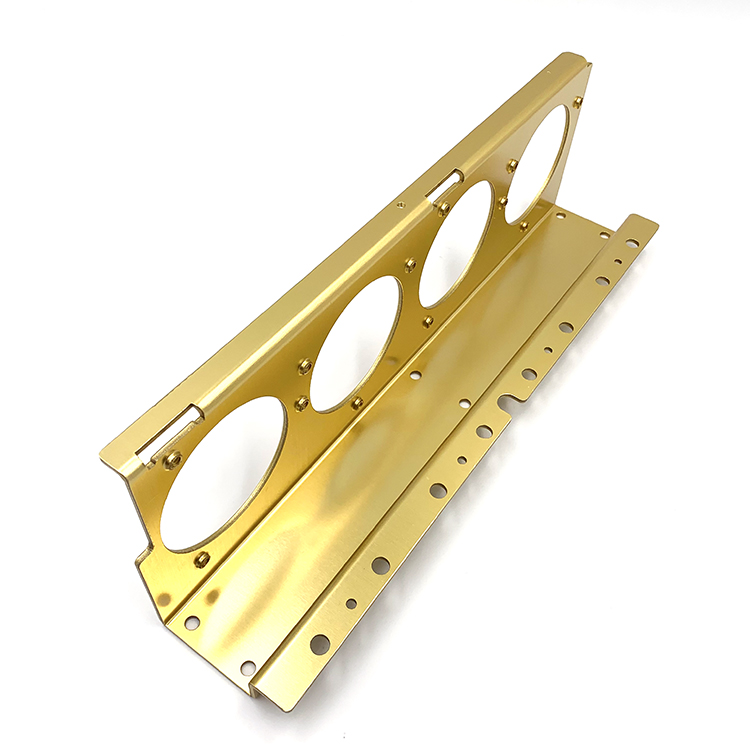
Before you start polishing, it’s critical to use tools that won’t damage the thin gold layer. Abrasive materials (like steel wool, harsh sponges, or gritty cleaners) can scratch or strip the plating, so stick to these gentle supplies:
- Soft microfiber cloths: These are lint-free and won’t scratch the surface—ideal for both cleaning and buffing.
- Mild dish soap: A pH-neutral soap (like Dawn) cuts through dirt and oils without harsh chemicals.
- Distilled water: Tap water may contain minerals that leave spots; distilled water ensures a streak-free finish.
- Cotton swabs: Useful for cleaning small crevices (e.g., links on a gold plated chain or details on a decor piece).
- White vinegar (optional): For light tarnish, a diluted vinegar solution can help—never use full-strength vinegar, as it may etch the plating.
- Gold plated metal cleaner (optional): If you prefer a commercial product, choose one labeled “safe for gold plating” (avoid cleaners for solid gold, which are too strong).

Follow these steps to clean and polish your gold plated items without harming the plating:
2.1 Prep: Remove Surface Dirt First
Start by wiping away loose dust or debris with a dry microfiber cloth. This prevents dirt from scratching the surface when you add moisture. For items with intricate details (like a gold plated necklace), use a dry cotton swab to gently brush out dirt from small gaps.
2.2 Make a Gentle Cleaning Solution
In a small bowl, mix 1–2 drops of mild dish soap with 1 cup of distilled water. Stir gently to create a soapy solution—do not use too much soap, as excess suds can leave residue. For light tarnish, add 1 teaspoon of white vinegar to the solution (skip this if your item has severe plating wear, as vinegar is slightly acidic).
2.3 Clean the Gold Plated Metal
Dip a microfiber cloth into the soapy solution, then wring it out thoroughly (the cloth should be damp, not soaking wet). Too much water can seep under the plating and cause the base metal to corrode. Gently wipe the surface of the gold plated item in circular motions, focusing on areas with fingerprints or tarnish.
- For small items (like earrings or a watch band), use a damp cotton swab to clean hard-to-reach spots.
- Never scrub—scrubbing can rub off the thin gold layer, revealing the base metal underneath.
2.4 Rinse and Dry Thoroughly
After cleaning, dip a clean microfiber cloth in distilled water and wring it out. Gently wipe the item to remove any soap residue. Immediately dry the item with a dry microfiber cloth to prevent water spots (water left on gold plated metal can speed up tarnishing). For extra shine, buff the surface with a dry microfiber cloth in light, circular motions until it sparkles.
Polishing helps restore shine, but proper care will extend the life of your gold plated items and reduce the need for frequent polishing:
- Store separately: Keep gold plated items in individual soft pouches or a jewelry box with divided compartments. This prevents them from rubbing against other metals (which can scratch the plating) or absorbing moisture from leather or fabric.
- Avoid contact with chemicals: Remove gold plated jewelry before applying perfume, lotion, or hairspray—these products contain chemicals that can tarnish or erode the plating. Also, take off items before swimming (chlorine) or showering (hard water).
- Polish only when needed: Over-polishing can wear down the gold layer. Only polish your items when you notice a loss of shine or light tarnish.
- Check for plating wear: If you see the base metal (e.g., copper or silver) peeking through, stop polishing immediately—further cleaning may damage the item beyond repair.
Final Tips for Success
- Test first: If you’re using a commercial cleaner or vinegar solution, test it on a small, hidden area of the item (e.g., the back of a necklace clasp) to ensure it doesn’t damage the plating.
- Avoid ultrasonic cleaners: These devices use high-frequency vibrations that can dislodge or remove gold plating—stick to manual cleaning.
With the right tools and gentle technique, polishing gold plated metal is simple and safe. By following this guide, you can restore the shine of your favorite gold plated pieces and keep them looking elegant for years to come!
How to Polish Gold Plated Metal: A Step-by-Step Guide to Restore Shine
The Ultimate Guide: How to Polish Gold Plated Jewelry Without Damaging It
Related Article

Fast sampling is the fastest way to win business in the hardware machining and plastic mold industries. Customers want a working sample in days, and a 3D printer delivers it, but only when you know how to print in 3d correctly.
how to print in 3d

Fast sampling is the fastest way to win business in the hardware machining and plastic mold industries. Customers often send an STL file and expect a working sample in days.
how to print an stl file

