How to Make Custom 3D Prints for Mold and Hardware Rapid Sampling
Author: SZTC
2026-07-29


Samuel Song Your service representative
Specializing in zinc-aluminum-magnesium alloy die-casting processing, CNC milling, CNC turning, 3D printing, injection molding and sheet metal processing. Manufacturing services.
-----------------------------------------------------------------------------------------------------------------------------------------------------------------------------------------------------------------------------------------------------------------------------------------------------------------------------------------------
Traditional manufacturing struggles with unique, low-volume parts for plastic molds and hardware fixtures. Many industrial designers and factory technicians learn how to make custom 3D prints to deliver tailored prototypes. Custom 3D printing enables personalized structural design, fast verification and cost-effective trial production for specialized mold components and custom hardware parts.
1. Custom Model Design for Industrial Needs
The first step to master how to make custom 3D prints is targeted design based on actual sampling demands.
1.1 Custom Structural Customization
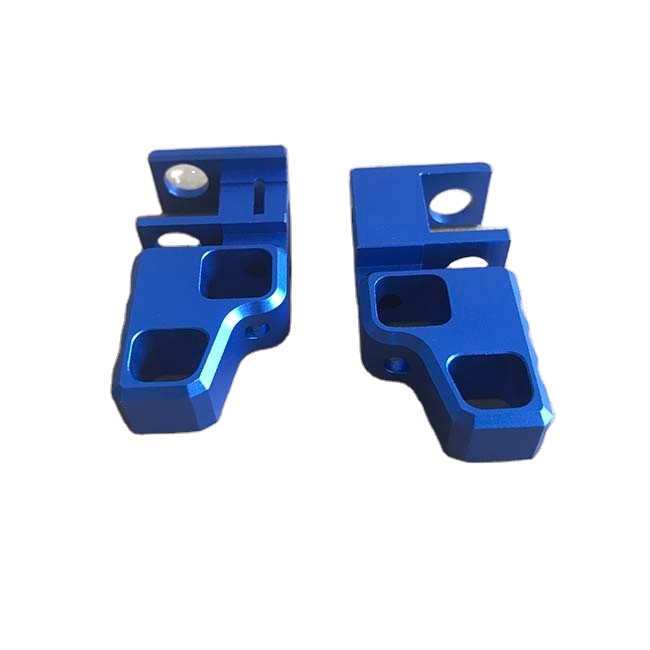
Design exclusive shapes according to mold cavity structures, hardware fitting standards and assembly requirements. Unlike standard parts, custom prints focus on unique sizes, special grooves and personalized positioning structures to solve non-standard manufacturing problems.
1.2 Printability Optimization
Optimize custom models by adjusting wall thickness, eliminating faulty meshes and adding reasonable supports. This ensures complex customized mold and hardware prototypes can be printed smoothly without deformation or structural damage.

2. Professional Printing Parameter Setup
Fine-tuned settings are key when learning how to make custom 3D prints for industrial precision.
2.1 Material Matching Selection
Choose printing materials based on custom part usage. High-precision resin suits delicate custom mold samples, while tough engineering materials are ideal for wearable and load-bearing custom hardware jigs and fixtures.
2.2 Personalized Slicing Parameters
Adjust layer height, printing speed and filling density according to structural complexity. Thin and detailed custom areas require low-speed and high-precision settings, while thick functional parts adopt high-density filling for better stability.

3. Post-Processing and Custom Quality Inspection
Final finishing completes the full workflow of how to make custom 3D prints for factory application.
3.1 Precision Post-Processing
Remove supports, polish surfaces and conduct UV curing or heat treatment. These steps improve surface smoothness and overall toughness, making custom prints meet mold testing and hardware assembly standards.
3.2 Dimensional and Functional Verification
Check key dimensions, tolerance accuracy and fitting performance. Qualified custom 3D prints can be directly used for mold structure confirmation, hardware trial assembly and customer sample approval.
In conclusion, understanding how to make custom 3D prints empowers mold and hardware factories to handle non-standard sampling tasks efficiently. It shortens customization cycles, reduces mold modification costs and greatly improves the flexibility of modern industrial rapid prototyping.
How to Model for 3D Printing for Mold and Hardware Rapid Sampling
How to Make 3D Printer Files for Mold and Hardware Rapid Sampling
Related Article
In rapid hardware machining and mold prototyping, 3D printing software dictates whether a job succeeds on the first attempt or ends up as scrap.
how to use 3d printer software

In hardware machining and mold making, turnaround speed is everything. When a customer demands a prototype in days, 3D printing is often the fastest route.
how to use 3d printer