
How to Learn CNC Machining: A Comprehensive Guide
Author: SZTC
2025-06-06
CNC (Computer Numerical Control) machining is a highly valuable skill in modern manufacturing, offering opportunities in various industries. If you're wondering “how to learn CNC machining,” you've come to the right place. This guide will walk you through the essential steps and strategies to master this intricate craft.
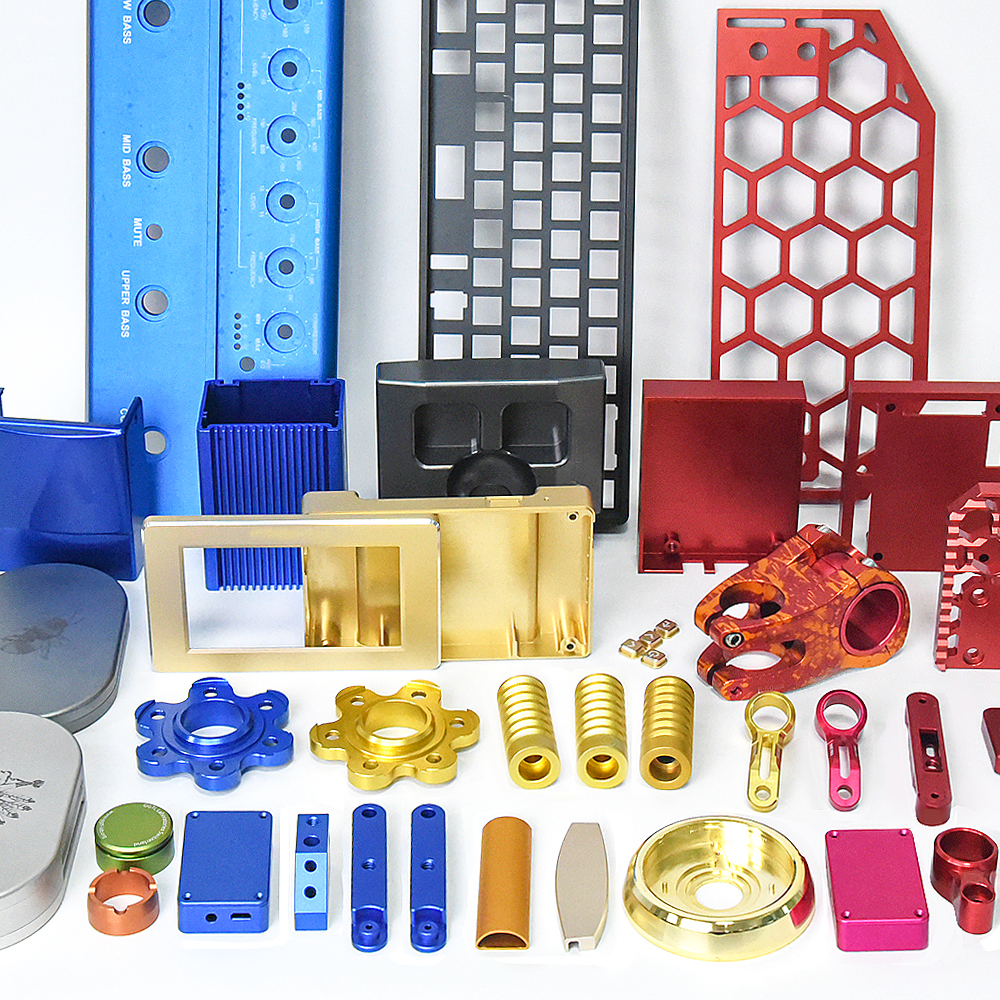
Build a Solid Foundation in Theory
Before diving into hands - on practice, it's crucial to establish a strong theoretical foundation in CNC machining. Understanding the basic principles, terminology, and concepts is the first step towards proficiency.
Start by learning about the different types of CNC machines, such as mills, lathes, and routers, and their specific applications. Familiarize yourself with the components of a CNC machine, including the spindle, axes, controllers, and cutting tools. Study topics like material properties and how they interact with cutting operations, as well as the importance of factors like speed, feed rate, and depth of cut. You can find numerous online courses, textbooks, and educational videos dedicated to CNC machining theory. Platforms like Coursera, Udemy, and YouTube offer a wealth of resources, from beginner - level introductions to in - depth technical lectures.
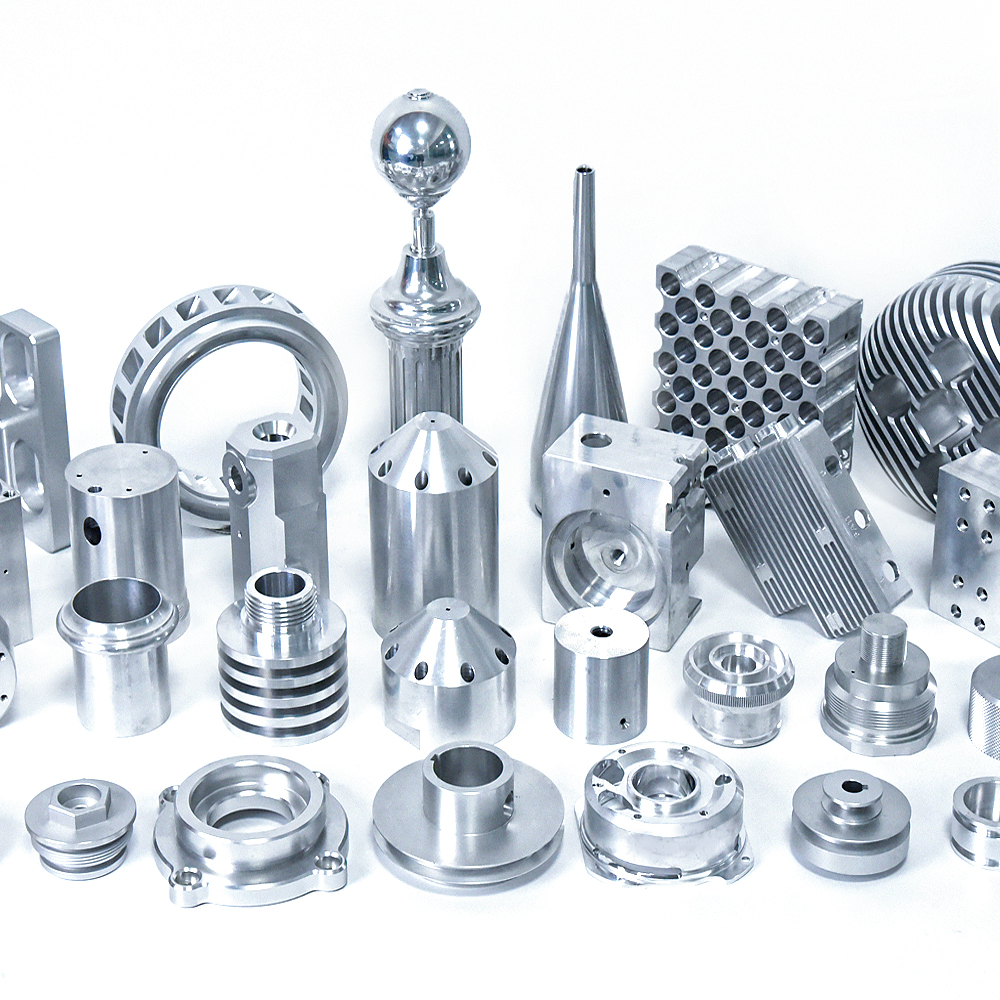
Gain Practical Experience through Hands - on Training
Theory alone isn't enough to become proficient in CNC machining; practical experience is equally essential. Seek opportunities for hands - on training to apply what you've learned in a real - world setting.
Many vocational schools, community colleges, and technical institutes offer CNC machining programs that include laboratory sessions. These courses allow you to work with actual CNC machines under the supervision of experienced instructors. If formal education isn't an option, consider internships or apprenticeships at manufacturing companies. This hands - on exposure will teach you how to set up a CNC machine, load workpieces, program toolpaths, and troubleshoot common issues. Additionally, hobbyist - level CNC machines are available for personal use, enabling you to practice at home. Starting with simple projects like cutting basic shapes from wood or plastic and gradually progressing to more complex tasks will help you build confidence and refine your skills.

Continuously Improve and Expand Your Skills
CNC machining is a dynamic field, and continuous learning is key to staying competitive. Once you've acquired the basics, focus on expanding your skill set and keeping up with the latest advancements.
Engage in advanced training courses that cover topics such as multi - axis machining, CAD/CAM software mastery, and precision machining techniques. Participate in industry conferences, workshops, and trade shows to network with professionals and learn about new technologies and best practices. Online forums and communities dedicated to CNC machining, like CNCZone and Practical Machinist, are great platforms to ask questions, share experiences, and learn from fellow enthusiasts and experts. Regularly challenge yourself with complex projects and seek feedback to identify areas for improvement. By continuously honing your skills and knowledge, you can become a proficient CNC machinist and open up new career opportunities in this exciting field.
How to Make Money with a CNC Machine: Profitable Strategies Uncovered
How Much for a CNC Machine? Unraveling the Price Factors
Related Article

Fast sampling is the fastest way to win business in the hardware machining and plastic mold industries. Customers want a working sample in days, and a 3D printer delivers it, but only when you know how to print in 3d correctly.
how to print in 3d

Fast sampling is the fastest way to win business in the hardware machining and plastic mold industries. Customers often send an STL file and expect a working sample in days.
how to print an stl file

