
How to Laser Engrave Metal: A Step-by-Step Guide
Author: SZTC
2025-05-23
Metal, with its durability and aesthetic appeal, is a popular material in countless industries. As technology advances, laser engraving has emerged as an effective way to customize metal surfaces. If you're wondering "how to laser engrave metal", this blog will provide you with a comprehensive guide.
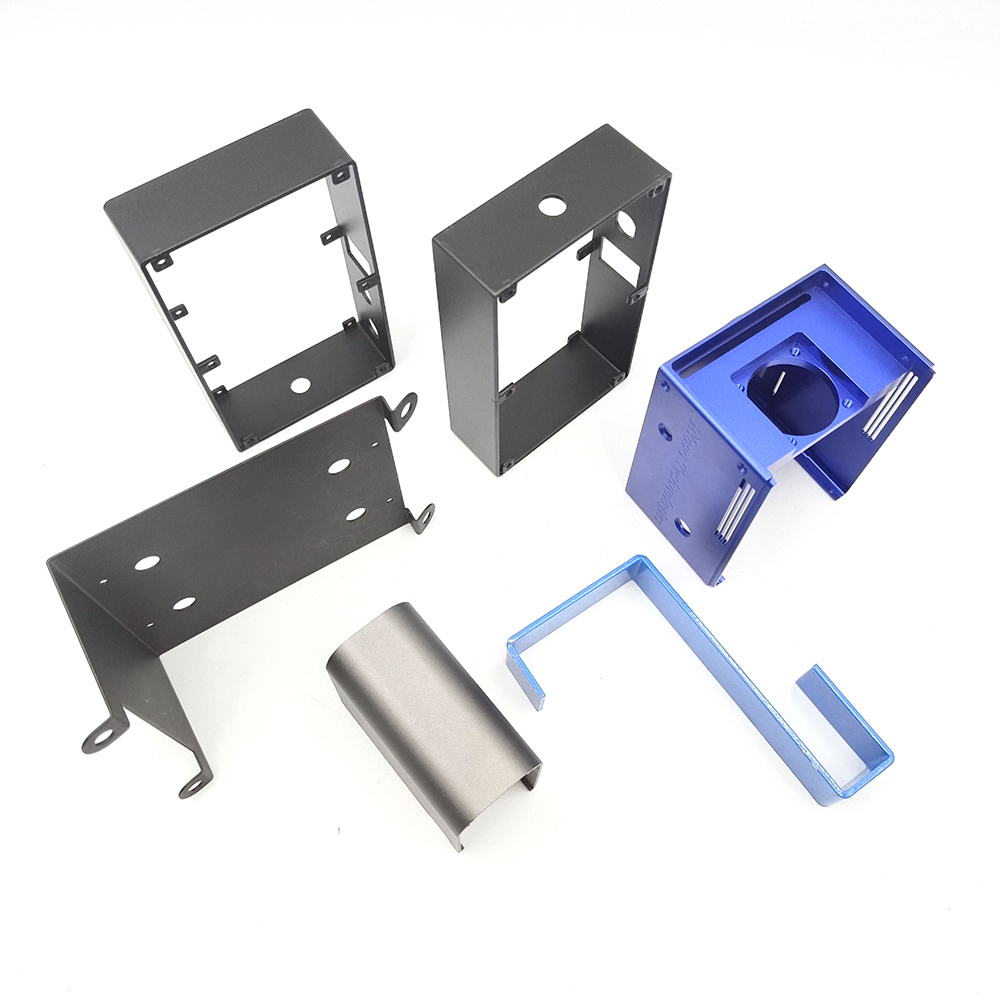
Necessary Equipment for Laser Engraving Metal
Selecting the Right Laser Machine
When it comes to laser engraving metal, fiber lasers are the top choice. Unlike CO₂ lasers, which are more suitable for glass and organic materials, fiber lasers emit light at a shorter wavelength. This allows them to interact effectively with metals, making them ideal for engraving and marking tasks. The power of the laser matters too; higher power lasers can engrave deeper and faster, but they also come at a higher cost. For small-scale projects or hobbyists, a lower-power fiber laser might be sufficient.
Other Essential Tools and Materials
Besides the laser machine, you'll need a computer with design software. Programs like Adobe Illustrator or CorelDRAW are commonly used to create and edit the designs that will be engraved on the metal. Additionally, a clean, flat work surface is crucial to ensure the metal is properly positioned during the engraving process. Safety equipment, including laser safety goggles, should never be overlooked, as laser beams can cause serious eye damage if proper precautions aren't taken.

Step-by-Step Process of Laser Engraving Metal
Design Creation and Preparation
Start by creating your design on the chosen software. Whether it's a logo, a text message, or a complex pattern, make sure the design is in a vector format. Vector graphics can be scaled up or down without losing quality, which is essential for achieving precise engravings. Once the design is ready, save it in a format that's compatible with your laser engraving machine, such as DXF or AI.
Setting Up the Laser Engraving Machine
Place the metal piece on the worktable of the laser engraving machine. Use clamps or fixtures to secure it firmly in place, preventing any movement during the engraving process. Then, open the machine's control software on your computer and import the design file. Adjust the settings according to the type of metal and the desired depth and appearance of the engraving. Factors like laser power, speed, and frequency all play a role in determining the final result.
Executing the Engraving
Before starting the actual engraving, it's a good idea to do a test run on a scrap piece of the same metal. This allows you to fine-tune the settings and ensure the desired outcome. Once satisfied with the test, start the engraving process. Keep an eye on the machine during operation, but avoid looking directly at the laser beam. After the engraving is complete, carefully remove the metal piece from the machine and clean it to reveal the final design.
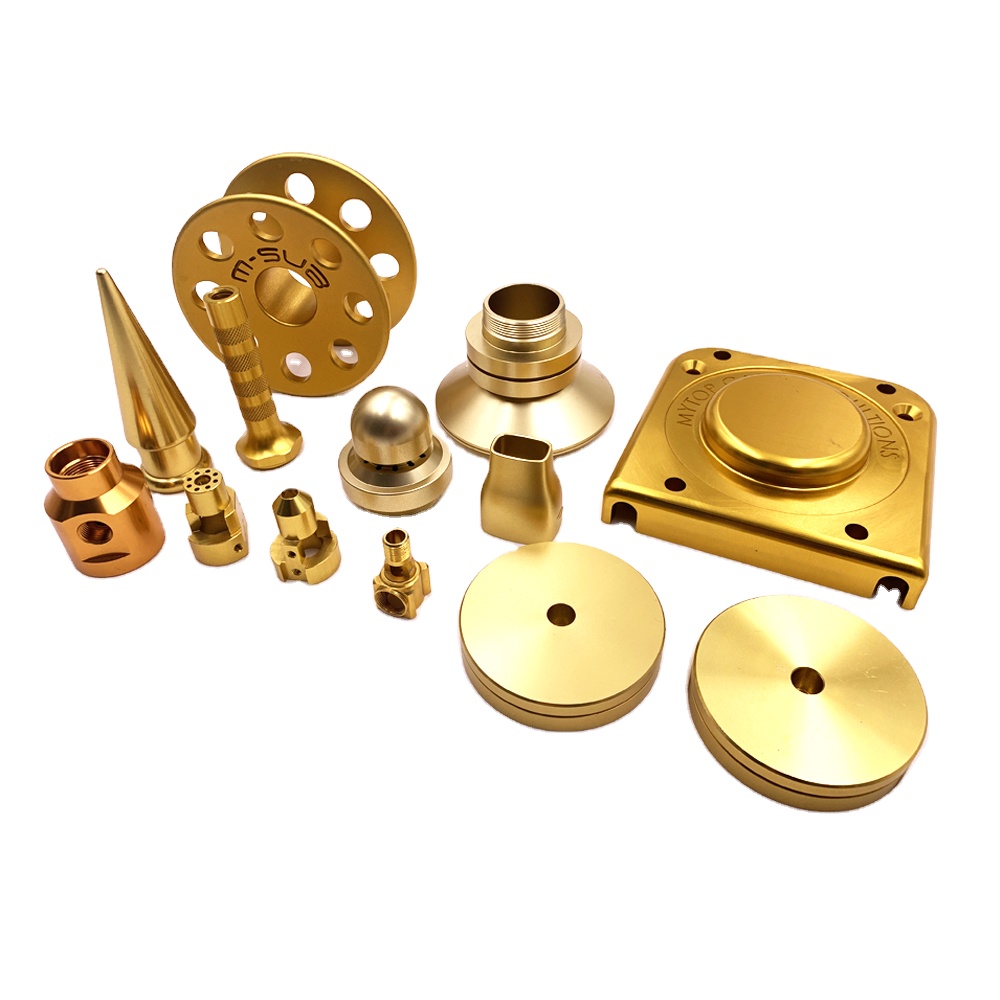
Advantages, Disadvantages, and Applications of Laser Engraved Metal
Advantages
Laser engraving metal offers several benefits. The precision is unparalleled, enabling the creation of highly detailed and intricate designs. It's also a non-contact process, which means there's no physical damage to the metal from tools, preserving its structural integrity. Additionally, laser engraving provides high customization, allowing for unique branding or personalized items.
Disadvantages
However, there are some drawbacks. Cost is a significant factor, as fiber laser machines are expensive to purchase and maintain. The process can be time-consuming, especially for complex designs or large batches. Moreover, different metals may require specific settings, and improper handling can lead to inconsistent results.
Applications
In the jewelry industry, laser engraving is used to add personalized messages, names, or unique patterns to rings, bracelets, and necklaces. In manufacturing, it's employed for product identification, marking serial numbers, logos, and part numbers on metal components. Additionally, in the art and craft sector, artists use laser engraving to create stunning metal art pieces with detailed textures and designs.
In conclusion, knowing how to laser engrave metal opens up a world of creative and practical possibilities. By understanding the necessary equipment, following the step-by-step process, and being aware of the advantages and disadvantages, you can achieve professional-looking results on various metal surfaces.
How to Make Money with a Laser Engraver
Can You Laser Engrave Glass? A Comprehensive Guide
Related Article

Fast sampling is the fastest way to win business in the hardware machining and plastic mold industries. Customers want a working sample in days, and a 3D printer delivers it, but only when you know how to print in 3d correctly.
how to print in 3d

Fast sampling is the fastest way to win business in the hardware machining and plastic mold industries. Customers often send an STL file and expect a working sample in days.
how to print an stl file

