
A Comprehensive Guide: How to Gold Plate Like a Pro
Author: SZTC
2025-07-31
Gold plating is a fascinating technique that adds a luxurious gold layer to various surfaces, from jewelry to metal hardware. Whether you’re a DIY enthusiast or looking to start a small project, mastering the basics of gold plating can elevate your creations. This guide will walk you through the process step by step, ensuring you understand how to gold plate effectively and safely.
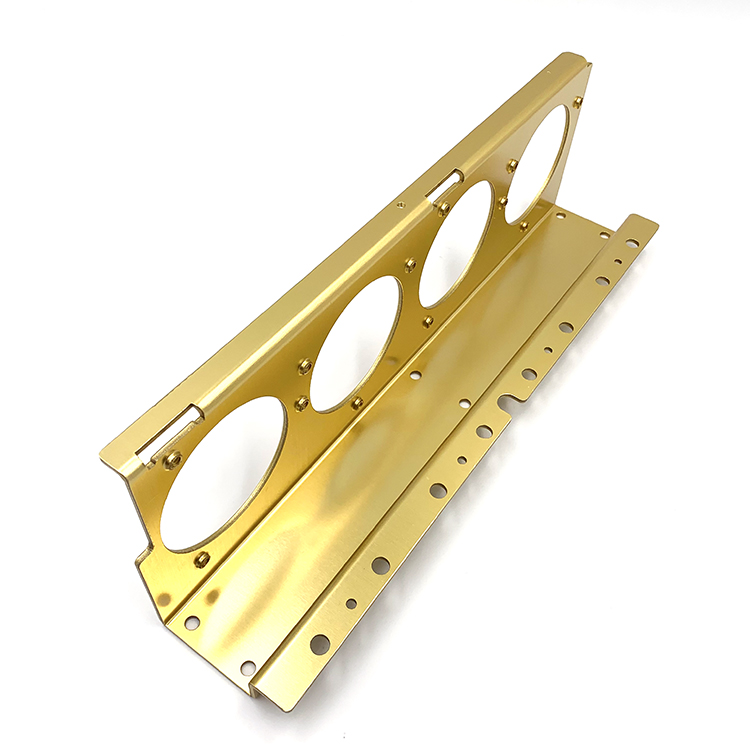
Before diving into the process, it’s essential to grasp the core concepts of gold plating.
1.1 What is Gold Plating?
Gold plating is an electrochemical process where a thin layer of gold is deposited onto a base metal (such as copper, silver, or brass) using an electric current. This layer not only enhances the appearance but also provides some protection against corrosion. The thickness of the gold layer can vary, typically ranging from 0.5 microns to 2.5 microns for most decorative purposes.
1.2 Types of Gold Plating Solutions
There are different types of gold plating solutions available, each suited for specific projects:
- Acid-based solutions: Common for jewelry plating, offering good adhesion and a bright finish.
- Cyanide-based solutions: Provide excellent coverage but require strict safety precautions due to their toxicity.
- Non-cyanide solutions: A safer alternative, ideal for beginners or those working in home settings.

Proper preparation is key to achieving a smooth, long-lasting gold plating finish.
2.1 Gathering Essential Tools and Materials
To get started, you’ll need the following:
- A gold plating solution (choose based on your project and safety needs)
- A power supply (a rectifier to control voltage and current)
- Electrodes: An anode (usually made of pure gold or a gold alloy) and a cathode (the item to be plated)
- Cleaning supplies: Abrasive pads, ultrasonic cleaner (optional), distilled water, and a degreasing agent (like isopropyl alcohol)
- Protective gear: Gloves, goggles, and a well-ventilated workspace
2.2 Cleaning the Base Metal
The base metal must be completely clean to ensure the gold adheres properly:
- Remove surface dirt and grease: Use a degreasing agent to wipe away oils, fingerprints, or grime.
- Polish the surface: Use an abrasive pad or sandpaper (fine grit) to smooth out scratches and create a uniform texture.
- Rinse thoroughly: Wash the item with distilled water to remove any remaining cleaning agents or debris.
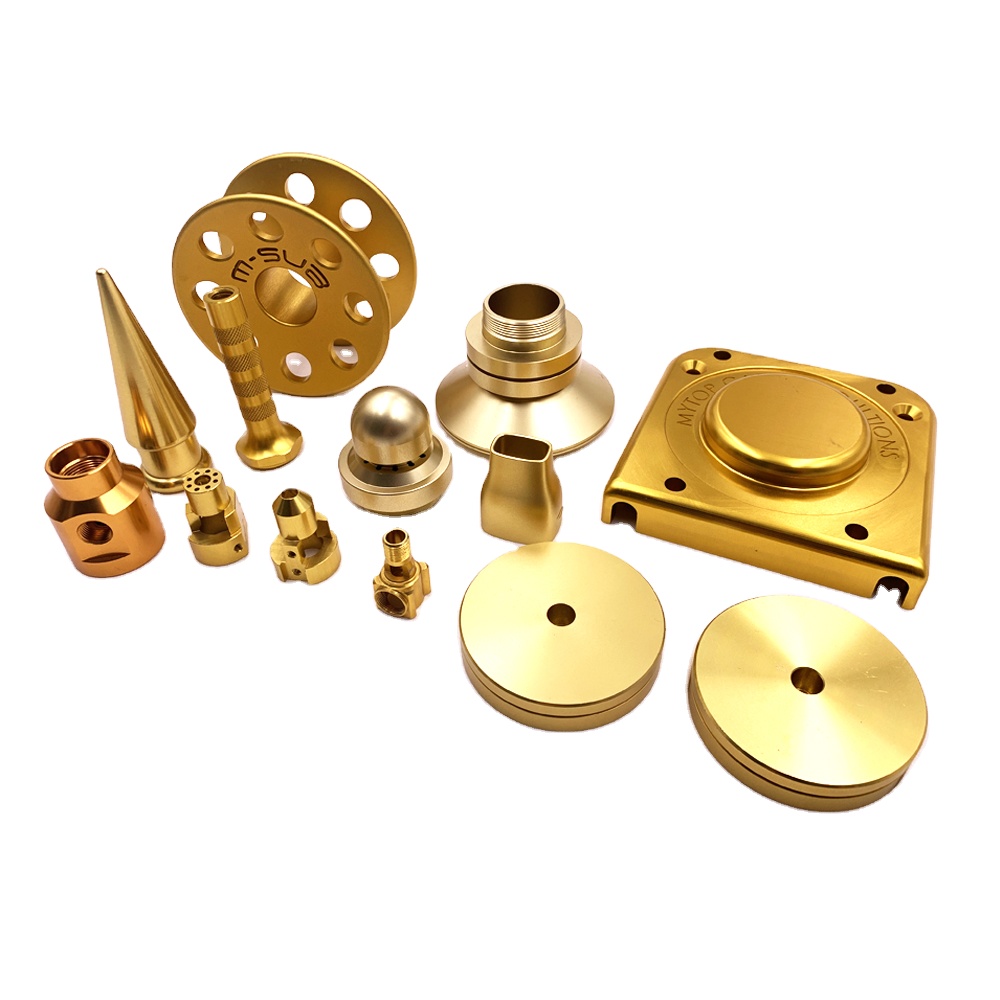
Follow these steps to apply the gold layer successfully.
3.1 Setting Up the Plating Bath
- Prepare the plating solution according to the manufacturer’s instructions, ensuring it’s at the correct temperature (usually room temperature or slightly warm).
- Place the anode (gold source) and the cathode (cleaned item) into the solution, making sure they don’t touch each other.
- Connect the anode to the positive terminal of the power supply and the cathode to the negative terminal.
3.2 Controlling Voltage and Time
- Adjust the power supply to the recommended voltage (typically 1-5 volts, depending on the solution and item size).
- Immerse the cathode in the solution and turn on the power. The plating time varies based on the desired thickness—for a thin decorative layer, 5-10 minutes may suffice. Monitor the process to avoid over-plating, which can lead to unevenness.
3.3 Finishing the Plated Item
Once the plating time is up, turn off the power and remove the item from the solution. Rinse it thoroughly with distilled water to remove any residual solution, then dry it gently with a soft cloth. For a shinier finish, you can lightly polish the surface with a jewelry cloth.

To keep your gold-plated items looking their best:
- Avoid exposing them to harsh chemicals, such as chlorine or bleach, which can damage the gold layer.
- Clean them regularly with a soft, damp cloth to remove dirt and oils.
- Store them separately in a jewelry box or pouch to prevent scratches from other items.
By following these steps, you can master the art of gold plating and create stunning, professional-looking pieces. Remember, practice makes perfect—start with small projects to refine your technique!
Is Gold Plated Good? Exploring the Pros, Cons, and Best Uses
Do Gold Plated Rings Tarnish? Exploring the Facts and Care Tips
Related Article

Fast sampling is the fastest way to win business in the hardware machining and plastic mold industries. Customers want a working sample in days, and a 3D printer delivers it, but only when you know how to print in 3d correctly.
how to print in 3d

Fast sampling is the fastest way to win business in the hardware machining and plastic mold industries. Customers often send an STL file and expect a working sample in days.
how to print an stl file

