
How to Get 3D Print Files for Hardware & Mold Rapid Sampling
Author: SZTC
2026-05-12


Samuel Song Your service representative
Specializing in zinc-aluminum-magnesium alloy die-casting processing, CNC milling, CNC turning, 3D printing, injection molding and sheet metal processing. Manufacturing services.
-----------------------------------------------------------------------------------------------------------------------------------------------------------------------------------------------------------------------------------------------------------------------------------------------------------------------------------------------
For hardware processing and plastic mold manufacturers, high-quality 3D print files are the premise of qualified rapid prototypes. Many industrial practitioners frequently ask how to get 3D print files that fit mold inserts, metal hardware parts and custom jigs. This article introduces reliable ways to obtain standard printable files for industrial fast sampling.
1. Self-Design Original 3D Print Files
The most independent method to solve how to get 3D print files is in-house digital modeling.
1.1 Professional CAD Modeling
Engineers use industrial CAD software to design exclusive 3D models. They customize structural data for plastic mold cavities, stamped hardware accessories and assembly fixtures, ensuring files match actual production demands.
1.2 Standard Format Exporting
After modeling, files are exported to STL or OBJ formats. These universal formats are compatible with almost all industrial printers, suitable for resin plastic samples and metal hardware prototypes.
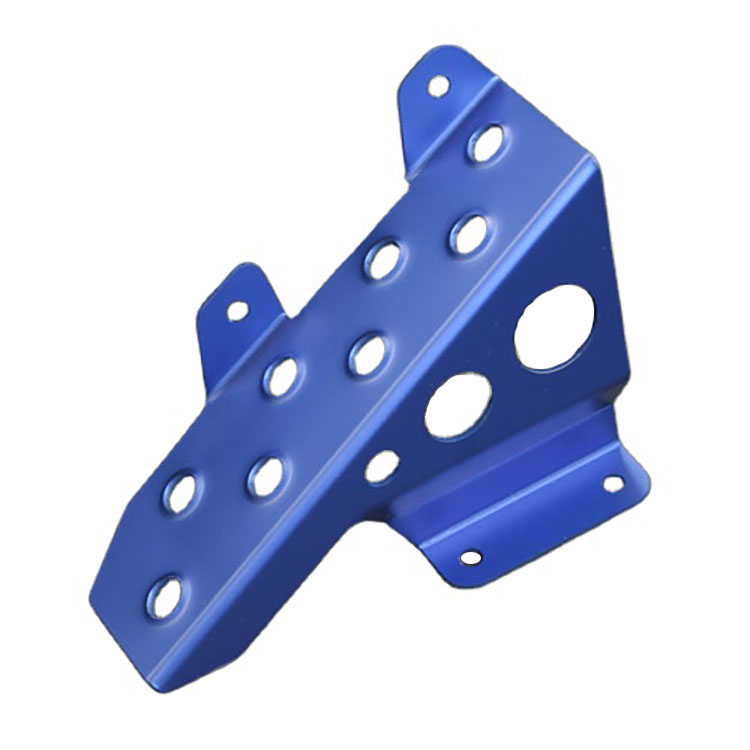
2. Obtain Optimized Files from Suppliers
Cooperating with professional manufacturers is a convenient way to master how to get 3D print files.
2.1 Acquire Mold and Hardware Drawings
Factories can ask component suppliers for original 3D files of finished hardware parts or mold components. These mature files have been verified in actual production with reasonable structural design.
2.2 Secondary File Optimization
Acquired files can be slightly modified to adapt to sampling needs. Technicians adjust wall thickness and add support structures to avoid deformation during plastic and metal 3D printing.
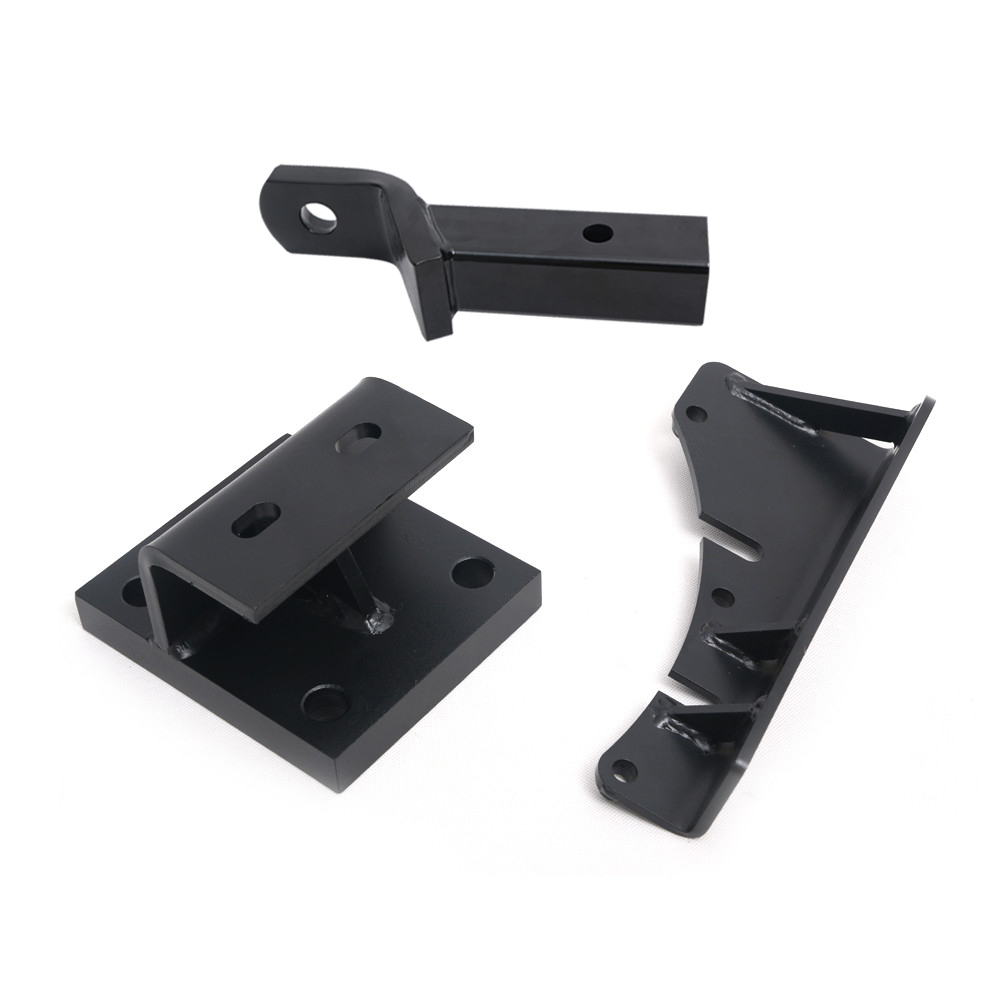
3. Download and Repurpose Open-Source Files
For simple industrial parts, downloading public resources is an economical answer to how to get 3D print files.
3.1 Professional Industrial File Platforms
Multiple industrial resource websites provide free and paid 3D files for common jigs, fasteners and simple mold parts. These ready-made files greatly shorten the sampling preparation cycle.
3.2 Manual Modification for Customization
Downloaded universal files usually need minor revisions. Manufacturers adjust sizes and structures to meet personalized requirements of hardware assembly and plastic mold trial testing.
In conclusion, how to get 3D print files includes self-design, supplier cooperation and open-source downloading. Choosing proper file acquisition methods helps hardware and mold factories achieve low-cost, fast and high-precision rapid sampling.

How to Get 3D Printer Files for Hardware and Mold Fast Sampling
How Does a 3D Printer Know What to Print for Industrial Sampling
Related Article

Fast sampling is the fastest way to win business in the hardware machining and plastic mold industries. Customers want a working sample in days, and a 3D printer delivers it, but only when you know how to print in 3d correctly.
how to print in 3d

Fast sampling is the fastest way to win business in the hardware machining and plastic mold industries. Customers often send an STL file and expect a working sample in days.
how to print an stl file

