
How to Fabricate Metal?
Author: SZTC
2025-05-12
Metal fabrication is a fascinating process that transforms raw metal materials into functional and intricate structures. Whether you're a DIY enthusiast or a professional looking to expand your skills, understanding the steps involved in metal fabrication is essential. In this blog, we'll walk you through the key processes and techniques to help you fabricate metal successfully.
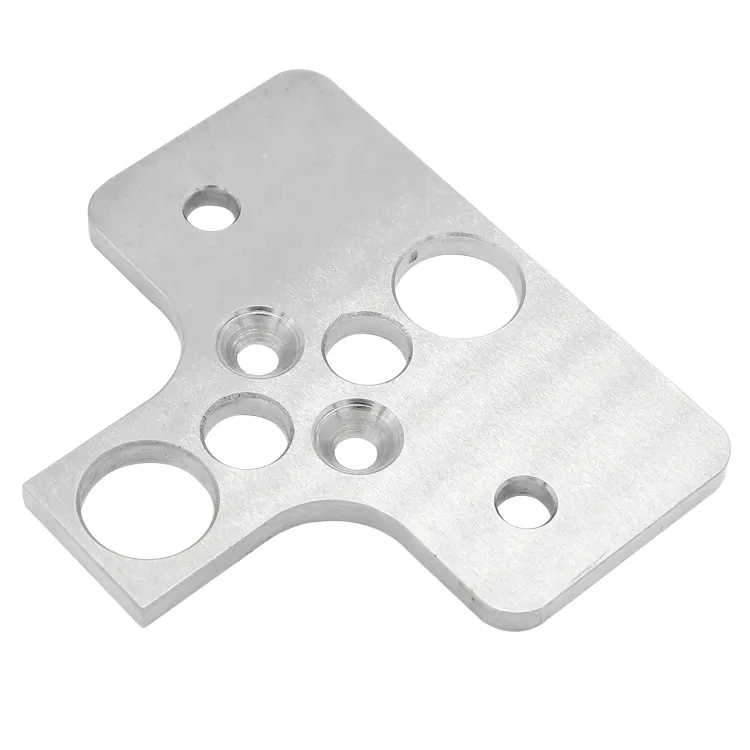
Preparation: Laying the Groundwork
Selecting the Right Metal
The first step in metal fabrication is choosing the appropriate metal for your project. Different metals have distinct properties, such as strength, durability, and corrosion resistance. For example, steel is a popular choice for heavy-duty applications due to its high strength, while aluminum is lightweight and ideal for projects where weight is a concern, like in the aerospace industry. Copper and brass, on the other hand, are often used for decorative purposes because of their attractive appearance. Consider the intended use, environmental conditions, and budget when selecting the metal.
Gathering the Necessary Tools and Equipment
Once you've chosen the metal, you'll need the right tools and equipment to work with it. Basic tools include measuring instruments like tape measures and calipers, cutting tools such as hacksaws, circular saws with metal blades, and angle grinders. For shaping metal, you may require hammers, anvils, and metal brakes. Welding equipment is crucial for joining metal pieces, with options like MIG (Metal Inert Gas), TIG (Tungsten Inert Gas), and stick welding machines. Ensure all tools are in good working condition and that you have the appropriate safety gear, including gloves, safety glasses, and respirators.
Designing and Planning
Before starting the fabrication process, it's important to have a clear design and plan. Create detailed drawings or use computer-aided design (CAD) software to visualize your project. This helps you determine the exact dimensions, shapes, and cuts needed. Planning also involves calculating the amount of metal required, which can save you time and money. Additionally, consider the sequence of operations to ensure a smooth and efficient fabrication process.

Cutting Metal
Cutting is one of the fundamental steps in metal fabrication. There are several methods available, depending on the type and thickness of the metal. For thin sheets of metal, tin snips or aviation snips can be used for straight or curved cuts. For thicker metals, power tools like band saws, plasma cutters, or laser cutters are more suitable. Plasma cutters, for instance, use a high-velocity jet of hot plasma to melt and remove metal, allowing for precise cuts even on thick materials. When cutting, always follow safety guidelines and make sure the metal is securely clamped to prevent movement.
Shaping Metal
After cutting the metal to the desired size, the next step is shaping it. This can be done through various techniques. For bending metal, a metal brake or a vice with a bending tool can be used. Heat can also be applied to make the metal more malleable and easier to shape. For example, blacksmiths use a forge to heat metal and then shape it using hammers and anvils. Forming processes like rolling can be used to create cylindrical or curved shapes, while stamping is employed to create repetitive shapes by pressing a die into the metal.
Joining Metal
Joining metal pieces together is essential to create a complete structure. Welding is the most common method for joining metals. MIG welding is a popular choice for beginners as it's relatively easy to learn and provides fast, consistent results. TIG welding offers more precision and is often used for high-quality, aesthetically pleasing welds on thinner metals. Another option is soldering, which uses a filler metal with a lower melting point to join two pieces of metal. Riveting is also a traditional method where rivets are used to fasten metal parts together, providing a strong mechanical connection.

Finishing Touches
Surface Treatment
Once the metal is fabricated and assembled, surface treatment is often required to enhance its appearance and durability. Sandblasting can be used to remove rust, scale, and other contaminants from the metal surface. Painting, powder coating, or electroplating are common methods to protect the metal from corrosion and give it a desired finish. For example, powder coating provides a durable, long-lasting finish that is resistant to scratches and chemicals.
Quality Inspection
Before considering the project complete, a thorough quality inspection is necessary. Check for any defects in the cuts, shapes, and joints. Measure the dimensions to ensure they match the design specifications. Look for signs of cracks, uneven surfaces, or weak welds. If any issues are found, take the appropriate steps to correct them. This could involve re-cutting, re-welding, or adjusting the shape of the metal.
In conclusion, fabricating metal involves a series of carefully planned steps, from preparation to finishing. By understanding and mastering these processes, you can create a wide range of metal products, from simple DIY projects to complex industrial structures. Remember to prioritize safety at every stage and continuously practice and refine your skills for better results.
What is a Sheet Metal Fabrication?
How to Become a Metal Fabricator
Related Article

Fast sampling is the fastest way to win business in the hardware machining and plastic mold industries. Customers want a working sample in days, and a 3D printer delivers it, but only when you know how to print in 3d correctly.
how to print in 3d

Fast sampling is the fastest way to win business in the hardware machining and plastic mold industries. Customers often send an STL file and expect a working sample in days.
how to print an stl file

