
How Much Does CNC Machining Cost Per Hour
Author: SZTC
2025-06-09
CNC machining has become an integral part of modern manufacturing, but one of the most common questions among businesses and individuals is about its cost per hour. Understanding what determines these costs can help in better budgeting and decision - making. Here’s a detailed look at the factors influencing CNC machining hourly costs.
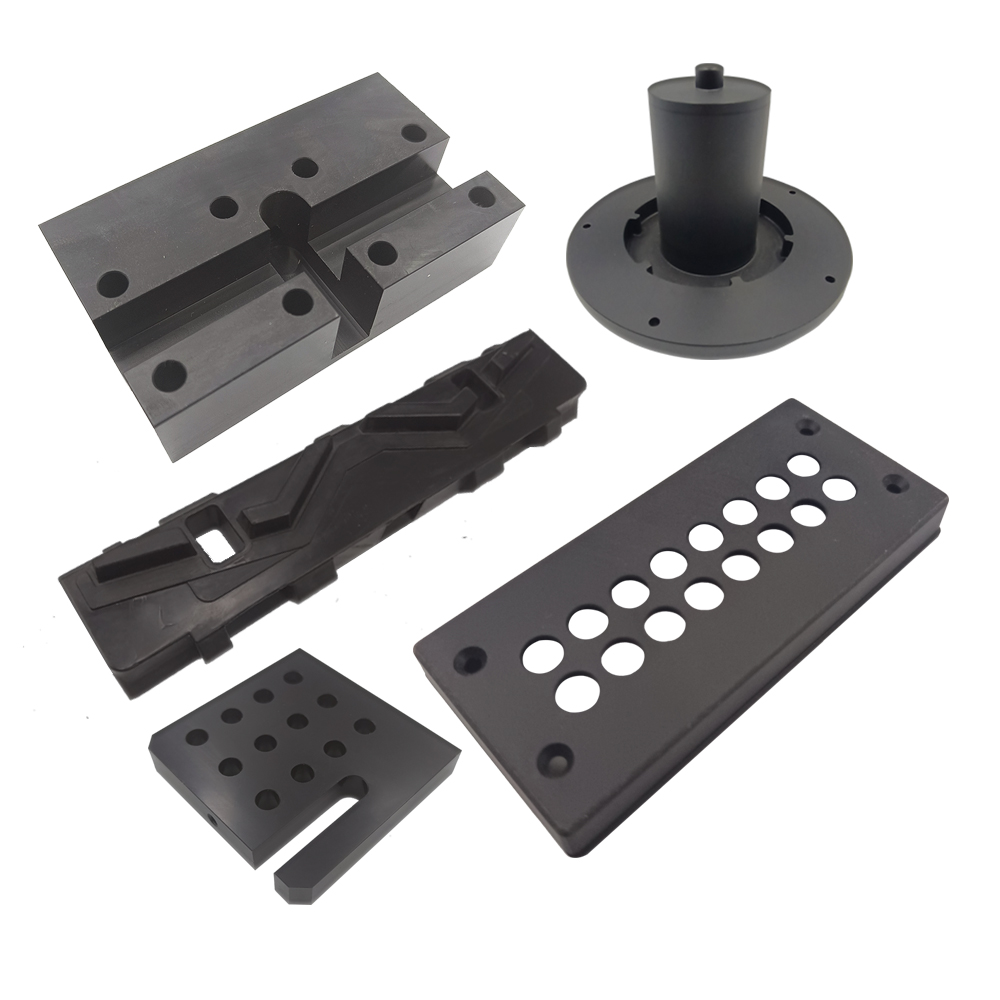
Factors Affecting CNC Machining Hourly Costs
Machine Type and Complexity
The type of CNC machine used significantly impacts the cost. Basic CNC milling or turning machines are generally less expensive to operate compared to multi - axis machining centers or five - axis CNC machines. The latter are more complex, require advanced programming, and often have higher maintenance costs, leading to a higher hourly rate. For example, a simple two - axis CNC lathe might have a lower hourly cost as it has fewer moving parts and less complex control systems.
Labor and Skill Level
The expertise of the operator also plays a crucial role. Highly skilled CNC machinists who can handle complex programming, setup, and machining tasks command higher wages. A beginner or an operator with basic skills will have a lower associated labor cost. Additionally, if the machining process requires specialized knowledge, such as working with specific materials or producing parts with tight tolerances, the labor cost per hour will increase accordingly.
Material and Tooling
The choice of material has a direct impact on the cost. Exotic metals like titanium or Inconel are more expensive and often require specialized tooling and machining parameters, driving up the overall cost per hour. On the other hand, common materials like aluminum or mild steel are more affordable. Tooling costs also contribute; high - quality cutting tools, especially those for precision machining or hard materials, need frequent replacement, adding to the hourly expense.
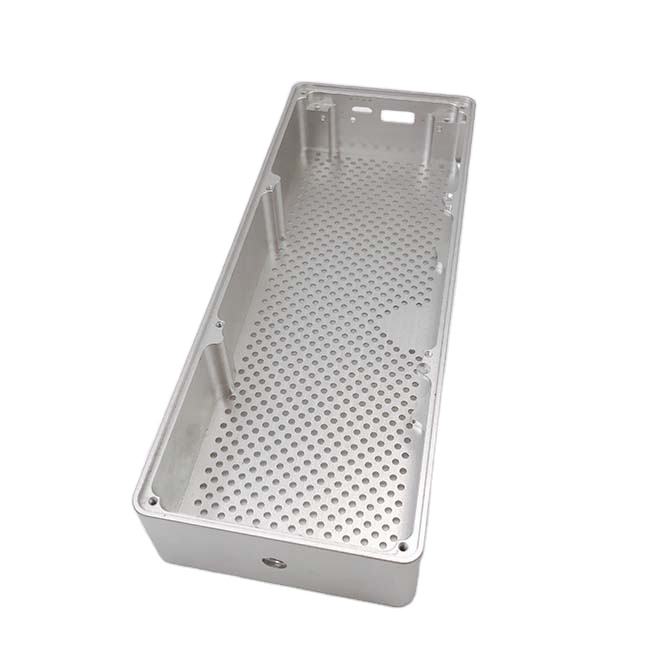
General Industry Averages
In the general manufacturing industry, the hourly cost of CNC machining can vary widely. For basic CNC operations with standard machines and common materials, the cost can range from \(40 - \)80 per hour. However, when using advanced multi - axis machines and working with high - end materials, the hourly rate can soar to \(150 - \)300 or even more. For example, in the aerospace industry, where complex five - axis CNC machining of titanium components is common, the hourly cost is often at the higher end of this spectrum.
Case - by - Case Examples
Let’s consider two scenarios. A small - scale project using a simple CNC milling machine to cut aluminum parts might cost around \(50 per hour. In contrast, a large - scale production run for the automotive industry that involves a high - end five - axis CNC machine and advanced tooling to machine high - strength steel components could have an hourly cost of \)200. These examples illustrate how different project requirements can lead to significant variations in costs.
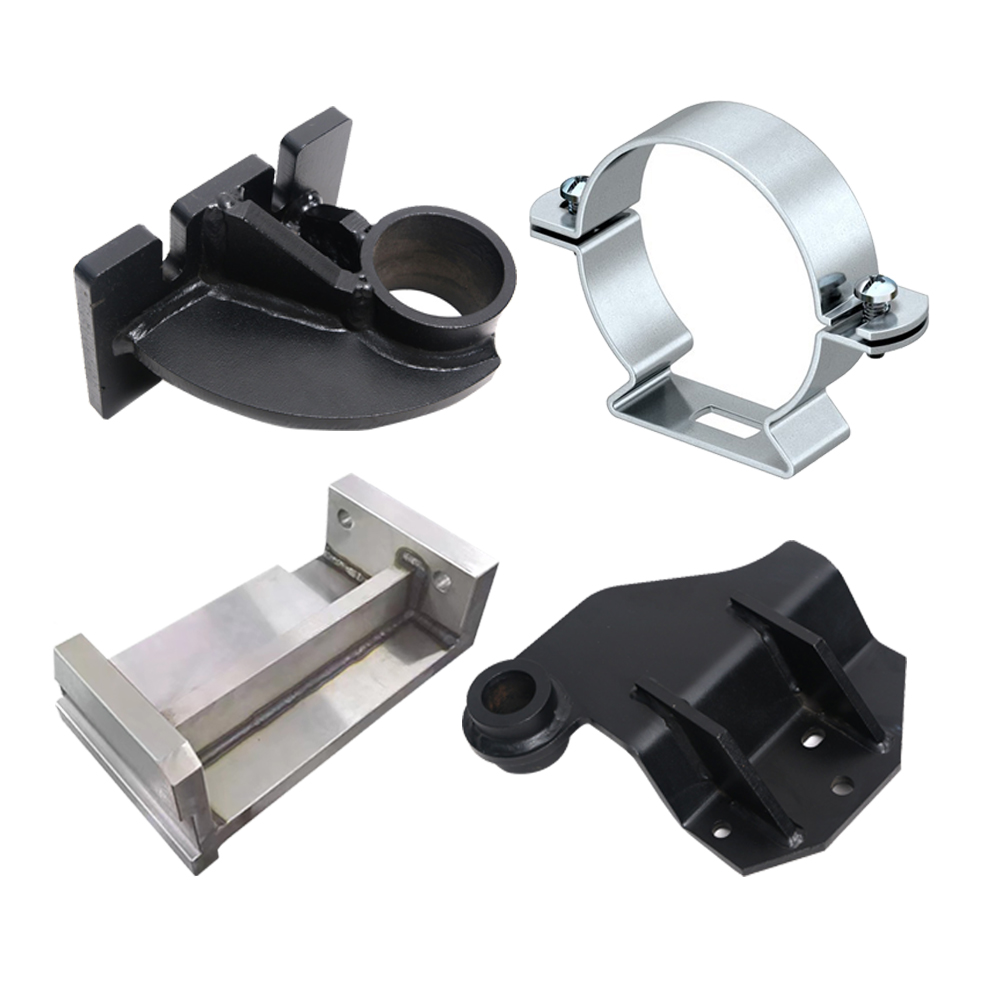
Strategies to Control CNC Machining Costs
Optimizing Programming and Setup
Efficient programming can reduce machining time. Using advanced CAM (Computer - Aided Manufacturing) software to generate optimized toolpaths and minimize idle time can lower the overall cost per hour. Similarly, proper setup, such as accurate workpiece clamping and tool calibration, can prevent errors and rework, saving both time and money.
Tool and Material Selection
Selecting the right tools and materials can have a major impact on costs. Choosing cost - effective yet suitable cutting tools based on the material being machined and the required surface finish can reduce tool replacement costs. Also, exploring alternative materials that meet the design requirements but are more affordable can help in controlling the overall machining cost per hour.
In conclusion, the cost of CNC machining per hour is influenced by multiple factors. By understanding these elements, businesses and individuals can make more informed decisions, optimize their machining processes, and manage costs effectively.
How to Get into CNC Machining
What is CNC Plasma Cutting Machine
Related Article

Fast sampling is the fastest way to win business in the hardware machining and plastic mold industries. Customers want a working sample in days, and a 3D printer delivers it, but only when you know how to print in 3d correctly.
how to print in 3d

Fast sampling is the fastest way to win business in the hardware machining and plastic mold industries. Customers often send an STL file and expect a working sample in days.
how to print an stl file

