
How Many Coats of Spray Paint on Metal
Author: SZTC
2025-04-08

Introduction
When it comes to spray painting metal surfaces, one of the most common questions is: how many coats of spray paint should be applied? The number of coats can significantly impact the final appearance, durability, and protection of the metal. In this blog post, we'll explore the factors that influence the number of coats and provide some general guidelines.
Factors Affecting the Number of Coats
Surface Condition
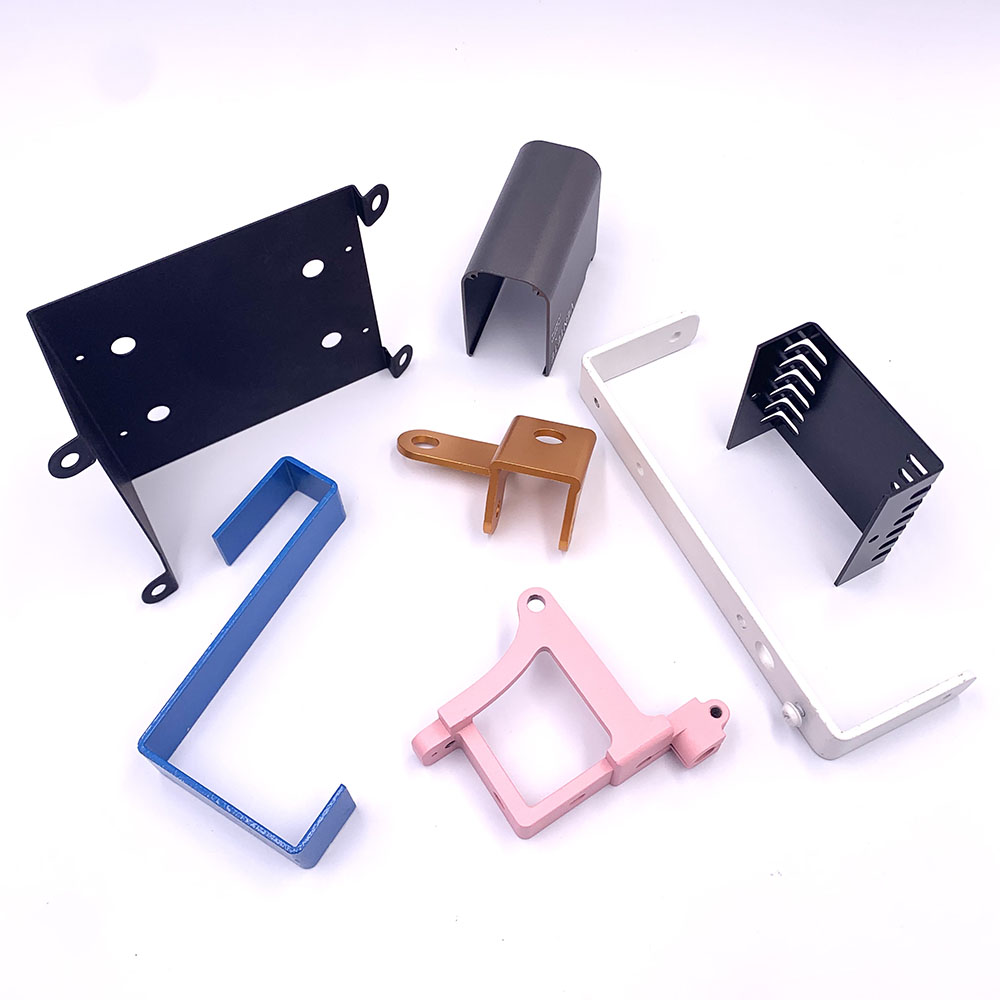
The initial state of the metal surface plays a crucial role. If the metal is smooth, clean, and free of rust or corrosion, fewer coats may be required. However, if the surface has imperfections, such as scratches, dents, or rust spots, more coats may be needed to achieve a smooth and even finish. For example, a brand - new metal workpiece straight from the factory may only need 2 - 3 coats, while an old, rusty metal fence could require 4 - 5 coats or even more.
Type of Spray Paint
Different types of spray paints have varying levels of coverage and opacity. High - quality, pigment - rich spray paints with good hiding power can cover the metal surface more effectively with fewer coats. For instance, some specialty automotive spray paints are formulated to provide excellent coverage in just two coats. On the other hand, cheaper or thinner spray paints may need additional coats to achieve the same result.
Desired Finish
The type of finish you want also affects the number of coats. A matte finish may be achieved with fewer coats compared to a high - gloss finish. A high - gloss finish requires a more even and smooth surface, which often means applying more coats to build up the thickness and eliminate any visible imperfections. If you're aiming for a textured finish, like a hammered or speckled look, the number of coats may vary depending on the specific texture product and your application technique.
General Guidelines for the Number of Coats

Primer Coat
Before applying the color paint, it's almost always advisable to start with a primer. A single coat of primer is usually sufficient for most metal surfaces. The primer helps the paint adhere better to the metal, provides an extra layer of corrosion protection, and evens out the surface. Make sure to let the primer dry completely according to the manufacturer's instructions before moving on to the next step.
Color Coats
For a basic, durable finish, 2 - 3 coats of color spray paint are generally recommended. Apply the first coat evenly, using smooth, sweeping motions. Let it dry for the recommended time, which is typically around 15 - 30 minutes depending on the paint and environmental conditions. Then, apply a second coat, which will help to fully cover the surface and enhance the color. If you notice any areas that are still not fully covered or have a patchy appearance, a third coat can be applied.
Clear Coat (Optional but Recommended for Added Durability)
If you want to add an extra layer of protection and give your painted metal a more professional look, a clear coat can be applied. Similar to the color coats, 1 - 2 coats of clear spray paint are usually enough. The clear coat not only protects the color from fading and scratches but also adds a glossy sheen if that's the look you desire.
Tips for Applying Each Coat
When applying each coat of spray paint, keep the can at a consistent distance from the metal surface, usually around 8 - 10 inches. Move the can in a steady, side - to - side motion to ensure an even application. Avoid spraying too much paint in one area at once, as this can lead to drips and runs. Also, make sure to work in a well - ventilated area and wear appropriate safety gear, such as a mask and gloves.
Conclusion
In conclusion, the number of coats of spray paint on metal depends on several factors including the surface condition, type of paint, and desired finish. By following the general guidelines of one primer coat, 2 - 3 color coats, and 1 - 2 clear coats (if desired), you can achieve a beautiful, durable finish on your metal projects. Remember to take your time, prepare the surface properly, and apply each coat carefully for the best results.
Is Aluminum an Alloy? A Comprehensive Exploration
How Long to Wait Between Coats of Spray Paint
Related Article

Fast sampling is the fastest way to win business in the hardware machining and plastic mold industries. Customers want a working sample in days, and a 3D printer delivers it, but only when you know how to print in 3d correctly.
how to print in 3d

Fast sampling is the fastest way to win business in the hardware machining and plastic mold industries. Customers often send an STL file and expect a working sample in days.
how to print an stl file

