
How Long Has 3D Printing Been Around for Mold and Hardware Rapid Sampling
Author: SZTC
2026-06-17


Samuel Song Your service representative
Specializing in zinc-aluminum-magnesium alloy die-casting processing, CNC milling, CNC turning, 3D printing, injection molding and sheet metal processing. Manufacturing services.
-----------------------------------------------------------------------------------------------------------------------------------------------------------------------------------------------------------------------------------------------------------------------------------------------------------------------------------------------
Many manufacturers in hardware processing and plastic mold industries mistake 3D printing for a brand-new modern technology. They often raise the question: how long has 3D printing been around. In fact, this rapid prototyping technology has a decades-long development history, and it has gradually become a core tool for fast sample production in manufacturing factories.

1. The Origin Period: How Long Has 3D Printing Been Around
To answer how long has 3D printing been around, we need to trace back to its earliest technical invention and commercial launch.
1.1 Early Technical Invention in the 1980s
The core prototype of modern 3D printing was invented in 1984 by Chuck Hull, who developed the first stereolithography technology. He officially patented this additive manufacturing method in 1986, marking the official birth of 3D printing technology. Up to now, 3D printing has existed for nearly 40 years.
1.2 Initial Industrial Application
At the very beginning, 3D printing was only used for high-precision industrial prototype making. Manufacturers first applied it to plastic mold design verification, which was the earliest combination of 3D printing and the mold manufacturing industry.
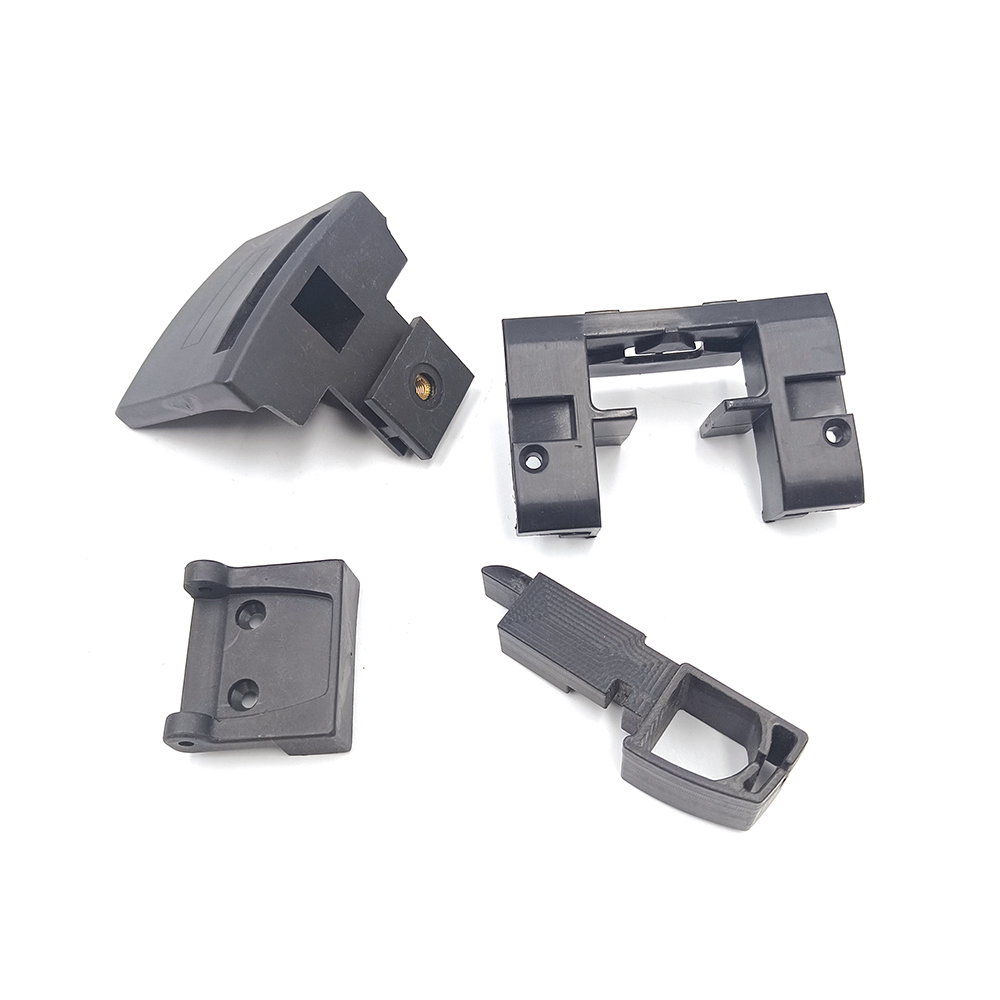
2. Medium Development: Popularization in Manufacturing Industry
After knowing how long has 3D printing been around, it is necessary to learn its industrial upgrading process for factory sampling.
2.1 Technology Upgrade from 2000 to 2015
Between 2000 and 2015, 3D printing equipment cost dropped sharply, and printing accuracy was greatly improved. More affordable printers entered small and medium-sized factories, starting to replace slow CNC machining for simple hardware part samples and basic mold testing.
2.2 Wide Adoption in Rapid Prototyping
During this period, factories gradually realized its advantages: no need for expensive mold opening, fast production speed and low material waste. 3D printing became a common auxiliary process for early design inspection of plastic molds and customized hardware fixtures.

3. Current Application and Future Trend
Looking back at its long history, we can fully understandhow long has 3D printing been around and its mature industrial value today.
3.1 Mature Mass Use in Modern Factories
Today, after nearly 40 years of iteration, 3D printing is perfectly matched with hardware and mold production. It can finish high-precision complex structure samples within several hours, solving the long-standing pain point of slow traditional sampling in manufacturing.
3.2 Continuous Technical Optimization
New printing materials and higher-precision devices keep emerging. It can not only make plastic samples, but also support high-strength hardware prototype printing, further expanding its application scope in the whole manufacturing chain.
In conclusion, how long has 3D printing been around tells us that this is not a new technology. With decades of technical iteration, it has become an indispensable efficient solution for rapid sampling in hardware processing and plastic mold industries.
Why 3D Printing Is Important for Hardware and Plastic Mold Industries
How Is 3D Made for Hardware and Plastic Mold Rapid Sampling
Related Article

Fast sampling is the fastest way to win business in the hardware machining and plastic mold industries. Customers want a working sample in days, and a 3D printer delivers it, but only when you know how to print in 3d correctly.
how to print in 3d

Fast sampling is the fastest way to win business in the hardware machining and plastic mold industries. Customers often send an STL file and expect a working sample in days.
how to print an stl file

