
How Long Does Plated Gold Last? Key Factors and Real-World Expectations
Author: SZTC
2026-01-06
Gold-plated items—from jewelry and watches to decorative fixtures and electronics—offer the luster of real gold at a more accessible price point. But for anyone investing in these pieces, a critical question lingers: How long does plated gold last? The answer isn’t one-size-fits-all; it hinges on a mix of manufacturing choices, usage habits, and environmental conditions. In this blog, we’ll break down the variables that dictate the lifespan of gold plating, outline typical longevity ranges for different applications, and share tips to extend its durability.
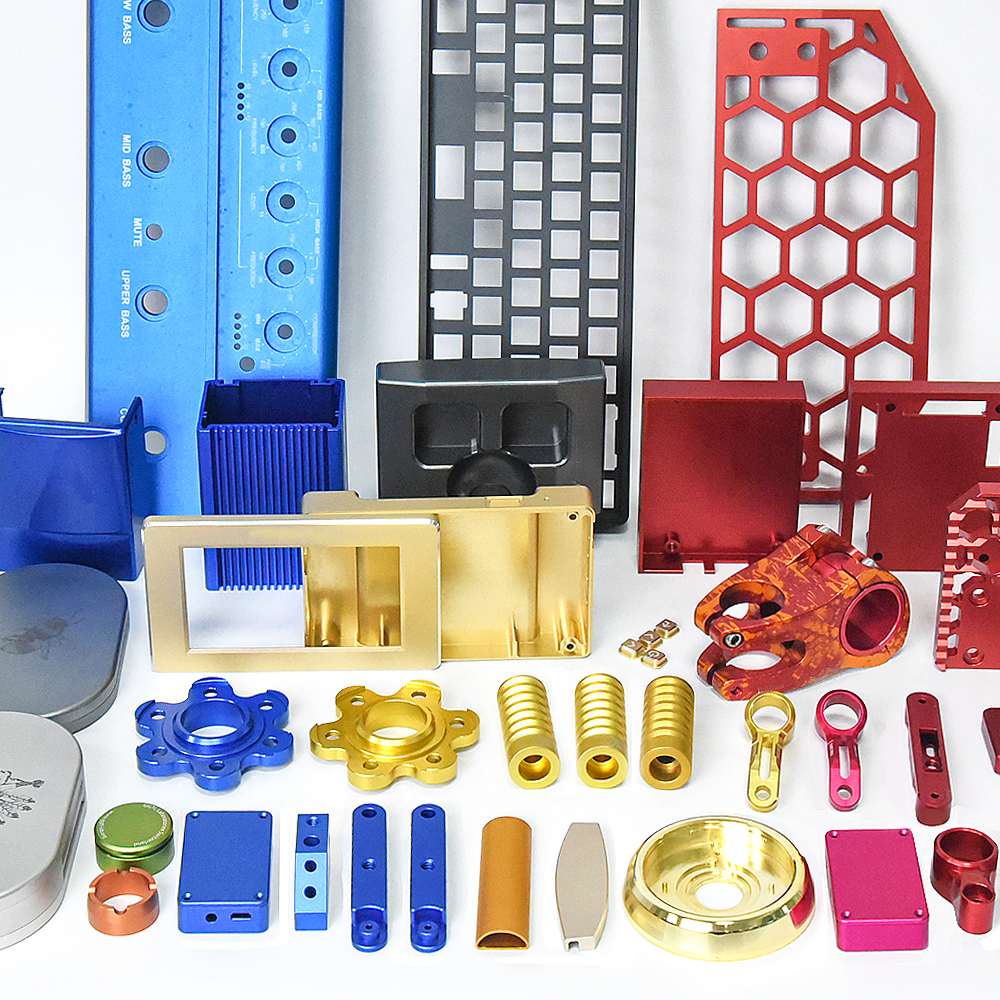
1. Core Factors That Determine Plated Gold Lifespan
The longevity of gold plating starts with how the item is made and the materials used. Two primary manufacturing factors—plating thickness and gold purity—lay the foundation for how long the gold layer will hold up. Beyond that, how you use and care for the item plays an equally important role.
1.1 Plating Thickness: The Foundation of Durability
Gold plating thickness is measured in microns (μm), and even small differences can drastically impact lifespan. Thin plating (often called “flash plating”) is typically 0.1–0.3 microns thick and offers minimal protection, while thicker plating (2–5 microns or more) is far more resilient. For example, flash-plated jewelry might start showing wear in months, while a piece with 3+ microns of gold plating can last years. Industry standards also matter: items labeled “gold-filled” (a related but thicker coating, with 5% or more gold by weight) are not strictly plated but offer longer life than most standard gold-plated pieces, often 10–30 years with proper care.
1.2 Gold Purity and Base Metal Compatibility
Gold plating purity, measured in karats (K), affects both appearance and durability. 24K gold (99.9% pure) is soft and prone to wear, so most plated items use 14K or 18K gold (58.3% or 75% pure, respectively) alloyed with harder metals like nickel or copper. The base metal (the material beneath the gold layer) also matters: incompatible base metals can cause the gold plating to peel or tarnish faster. For instance, base metals prone to corrosion (like some low-grade steels) can react with moisture, weakening the bond between the gold and the base.
1.3 Usage and Environmental Exposure
Even well-made gold-plated items will degrade faster with frequent use or harsh environmental exposure. Daily-worn jewelry (e.g., rings, bracelets) rubs against skin, clothing, and surfaces, accelerating wear. Exposure to chemicals—such as perfume, lotion, sweat, chlorine (from pools), and saltwater—can corrode the gold layer or break down the adhesive bond between the gold and base metal. Humid environments can also speed up tarnishing and degradation.
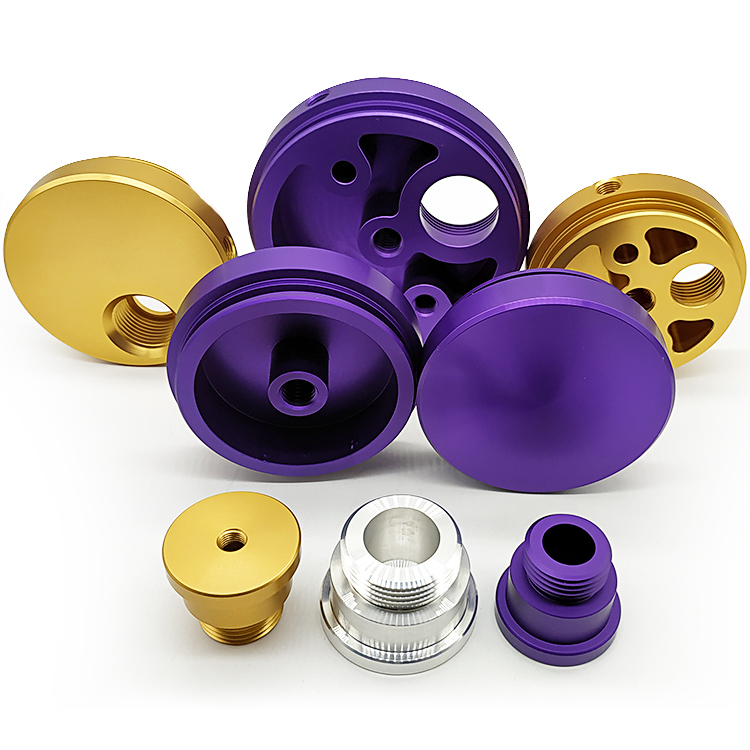
2. Typical Lifespan Ranges by Application
Based on the factors above, we can map out general lifespan expectations for common gold-plated items. These ranges are guidelines, not guarantees—proper care can extend them, while neglect can shorten them.
2.1 Gold-Plated Jewelry (Everyday Wear)
Everyday jewelry like rings, necklaces, and bracelets is the most prone to wear. Flash-plated jewelry (0.1–0.3 microns) typically lasts 6–12 months before the base metal starts showing through (often as discoloration or “fading”). Standard gold-plated jewelry (0.5–1 micron) can last 1–3 years with regular wear. High-quality gold-plated jewelry (2–5 microns) or gold-vermeil (a thick layer of gold over sterling silver) can last 3–10 years, especially if worn occasionally rather than daily.
2.2 Gold-Plated Watches and Accessories
Watches and less-frequently worn accessories (e.g., hair clips, brooches) tend to last longer. Gold-plated watches, which often have thicker plating (1–3 microns) on the case and band, can last 2–5 years with regular use. If worn only occasionally (e.g., for special occasions), they may last 5–10 years. Decorative accessories like gold-plated picture frames or candle holders, which have minimal physical contact, can last 5–15 years, depending on environmental humidity and dust exposure.
2.3 Gold-Plated Electronics and Fixtures
Gold plating is used in electronics (e.g., connectors, circuit boards) for its conductivity and corrosion resistance, and in fixtures (e.g., faucets, doorknobs) for aesthetics. Electronic components typically have thin plating (0.1–0.5 microns) but are protected from physical wear, so they can last 5–10 years in normal use. Gold-plated fixtures, exposed to water and occasional cleaning, have thicker plating (2–5 microns) and can last 10–20 years if cleaned with non-abrasive products.

3. How to Extend the Lifespan of Plated Gold
With proper care, you can significantly extend the life of your gold-plated items. The key is to minimize wear, avoid chemical exposure, and store them properly.
3.1 Minimize Chemical and Environmental Exposure
Always put on gold-plated jewelry after applying perfume, lotion, or makeup—allow these products to fully absorb into your skin first. Remove plated items before swimming (chlorine is highly corrosive to gold plating), showering, or exercising (sweat contains salts that can tarnish the gold). Avoid wearing them in humid environments (e.g., saunas) or while handling harsh cleaning products.
3.2 Proper Cleaning and Handling
Clean gold-plated items gently with a soft, lint-free cloth (microfiber works well) to remove dust and oils. Avoid abrasive cleaners, polishing cloths (which can wear away the gold layer), or ultrasonic cleaners (which can loosen the plating). For more thorough cleaning, use a mild soap solution (dish soap and warm water) and a soft brush, then dry immediately with a clean cloth to prevent water spots.
3.3 Smart Storage Practices
Store gold-plated items separately to prevent scratching—use individual jewelry pouches, soft-lined boxes, or compartments. Keep them in a cool, dry place away from direct sunlight and humidity (a sealed container with silica gel packets can help absorb moisture). Avoid stacking plated items or storing them with harder metals (e.g., stainless steel), which can scratch the gold surface.
Conclusion: Setting Realistic Expectations for Plated Gold
So, how long does plated gold last? The short answer: anywhere from 6 months to 20+ years, depending on plating thickness, gold purity, usage, and care. Flash-plated items are best for temporary, trendy pieces, while thicker-plated or gold-vermeil items are better investments for long-term use. By understanding the factors that affect lifespan and following simple care tips, you can enjoy the beauty of gold-plated items for years to come. Remember, the goal isn’t perpetual perfection—just to extend the life of that beautiful gold luster as long as possible.
How Much Does Gold Plated Cost? A Complete Guide for Buyers
How Heavy Were the Gold Plates? Unpacking the Historical and Scientific Clues
Related Article

Fast sampling is the fastest way to win business in the hardware machining and plastic mold industries. Customers want a working sample in days, and a 3D printer delivers it, but only when you know how to print in 3d correctly.
how to print in 3d

Fast sampling is the fastest way to win business in the hardware machining and plastic mold industries. Customers often send an STL file and expect a working sample in days.
how to print an stl file

