
How Long Does 14K Gold Plated Jewelry Last?
Author: SZTC
2025-09-10
If you’ve ever fallen in love with a piece of 14k gold plated jewelry—whether it’s a dainty necklace, a pair of hoop earrings, or a minimalist bracelet—you’ve probably wondered: How long will this actually last? Unlike solid gold, gold plating is a thin layer of gold bonded to a base metal (like brass, copper, or nickel), so its longevity depends on several key factors. In this guide, we’ll break down exactly how long 14k gold plated pieces typically last, what affects their lifespan, and how to make them shine longer.
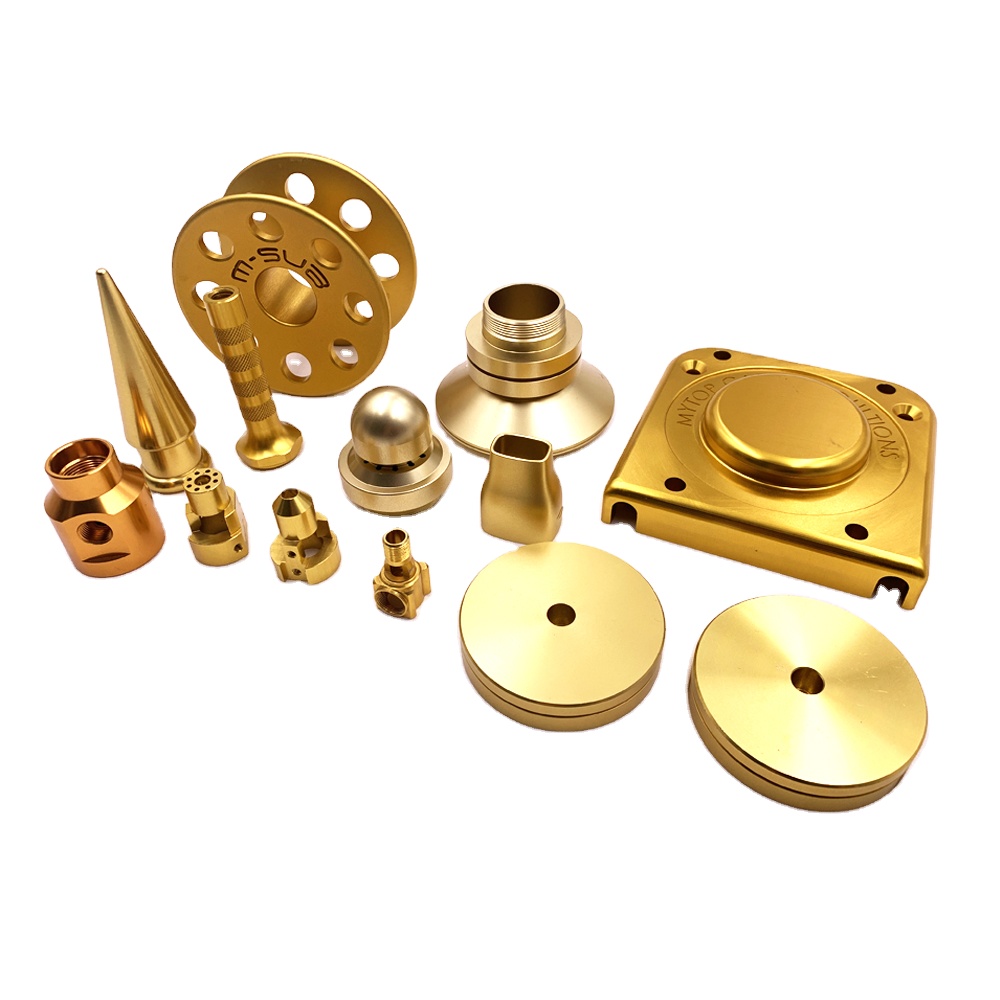
First, let’s answer the core question: How long does 14k gold plated last? On average, 14k gold plated jewelry can last anywhere from 6 months to 2 years with regular wear. However, this timeline isn’t set in stone—some pieces may last longer (3+ years) with careful care, while others might show signs of wear in just a few months if neglected.
The key distinction here is the thickness of the gold plating, often measured in microns (1 micron = 0.001 millimeters). Most 14k gold plated jewelry has a plating thickness of 0.5 to 2 microns. Pieces with thicker plating (1.5+ microns) will naturally hold up better than those with thinner layers (0.5 microns or less), which are more prone to peeling or fading.
Another factor is the quality of the base metal. Jewelry plated over high-quality, corrosion-resistant base metals (like surgical steel or tarnish-resistant brass) will last longer than those plated over cheap, reactive metals (like low-grade copper), which can corrode beneath the gold layer and cause the plating to lift.

While the average lifespan gives a baseline, several variables can shorten or extend the life of your 14k gold plated pieces. Let’s break down the most impactful factors:
2.1 Wear Frequency and Activity Level
Jewelry worn daily (e.g., a necklace or ring) will experience more friction, sweat, and exposure to elements than pieces saved for special occasions. If you wear your 14k gold plated jewelry while working out, gardening, or doing household chores, the plating will wear down faster due to sweat, dirt, and physical abrasion.
2.2 Exposure to Chemicals
Chemicals are the biggest enemy of gold plating. Common substances that can strip the gold layer include:
- Beauty products: Perfume, hairspray, lotion, foundation, and sunscreen. These often contain alcohol, oils, or sulfates that break down the plating bond.
- Household cleaners: Bleach, ammonia, and dish soap. Even mild soaps can be harsh if left on the jewelry.
- Swimming pools/hot tubs: Chlorine and saltwater (from oceans) are highly corrosive to gold plating.
2.3 Quality of Plating and Manufacturing
Not all 14k gold plating is created equal. Reputable brands use a process called “electroplating,” where a strong electric current bonds the gold layer to the base metal—resulting in a more durable finish. Cheaper pieces may use “vacuum plating” or thin gold leaf, which is more likely to chip or fade quickly.
2.4 Skin pH and Sweat
Everyone’s skin has a unique pH level (acidic or alkaline). People with more acidic sweat may notice their gold plated jewelry fades faster, as the acid can react with the base metal and weaken the plating.
The good news is that with simple care habits, you can significantly 延长 the lifespan of your 14k gold plated pieces. Here’s how:
3.1 Apply Beauty Products First, Then Put On Jewelry
Always follow the rule: “Last on, first off.” Apply lotion, perfume, hairspray, and sunscreen before putting on your gold plated jewelry. Wait 5–10 minutes for the products to fully absorb into your skin to avoid direct contact with the plating.
3.2 Remove Jewelry Before High-Risk Activities
Take off your 14k gold plated pieces before:
- Working out, gardening, or doing manual labor.
- Swimming in pools, oceans, or hot tubs.
- Showering or washing dishes (even mild shampoo/soap can cause buildup).
- Sleeping (friction from pillows and sheets can wear down the plating).
3.3 Clean Gently (and Regularly)
Dirt, oil, and sweat buildup can plating wear. Clean your jewelry once a week with:
- A soft, lint-free cloth (microfiber works best) to wipe away surface dirt.
- For tougher buildup: Mix a few drops of mild, fragrance-free dish soap with warm water. Dip a soft-bristled toothbrush (or a Q-tip) in the solution and gently scrub the jewelry. Rinse with cool water and pat dry immediately with a cloth.
- Never use jewelry cleaners designed for solid gold or silver—these are too harsh for plating.
3.4 Store Properly to Avoid Scratches
When not wearing your 14k gold plated jewelry:
- Store each piece separately in a soft pouch, jewelry box with dividers, or tissue paper to prevent scratching from other jewelry.
- Keep them away from direct sunlight, humidity, and heat (e.g., avoid storing in bathrooms), as these can cause tarnishing or plating breakdown.
3.5 Avoid Over-Polishing
While it’s tempting to polish dull jewelry, excessive rubbing with a polishing cloth can wear away the thin gold layer. Stick to gentle wiping with a soft cloth instead.

Eventually, even well-cared-for 14k gold plated jewelry will show signs of wear: the gold layer may fade, peel, or reveal the base metal underneath. When this happens, you have a few options:
- Replate it: Many jewelry repair shops offer gold plating services. For 14k gold plating, expect to pay \(20–\)50 per piece, depending on the size and thickness desired.
- Repurpose it: If replating isn’t worth it, you can repurpose the piece (e.g., turn a faded necklace into a charm for a bracelet).
- Replace it: Since 14k gold plated jewelry is often affordable, replacing it with a new piece may be more cost-effective than replating.
Final Thoughts
So, how long does 14k gold plated last? It boils down to quality, care, and usage—but with the right habits, you can enjoy your favorite pieces for 2+ years. Remember: treat gold plated jewelry like the delicate accessory it is, and it will reward you with long-lasting shine.
Do you have a go-to 14k gold plated piece? Share your care tips in the comments below!
How Much Is Gold Plated Worth? A Complete Guide to Valuation
How Do You Know If Something Is Gold Plated? A Step-by-Step Guide
Related Article

Fast sampling is the fastest way to win business in the hardware machining and plastic mold industries. Customers want a working sample in days, and a 3D printer delivers it, but only when you know how to print in 3d correctly.
how to print in 3d

Fast sampling is the fastest way to win business in the hardware machining and plastic mold industries. Customers often send an STL file and expect a working sample in days.
how to print an stl file

