
How Does Print Work for Industrial Mold and Hardware Rapid Sampling
Author: SZTC
2026-07-10


Samuel Song Your service representative
Specializing in zinc-aluminum-magnesium alloy die-casting processing, CNC milling, CNC turning, 3D printing, injection molding and sheet metal processing. Manufacturing services.
-----------------------------------------------------------------------------------------------------------------------------------------------------------------------------------------------------------------------------------------------------------------------------------------------------------------------------------------------
Many manufacturers in the hardware processing and plastic mold industry wonder how does print work for fast prototype making. Different from traditional CNC cutting and steel mold opening, modern 3D print technology adopts additive manufacturing. It has become a core solution for factories to quickly verify mold structures and customized hardware parts with lower costs.
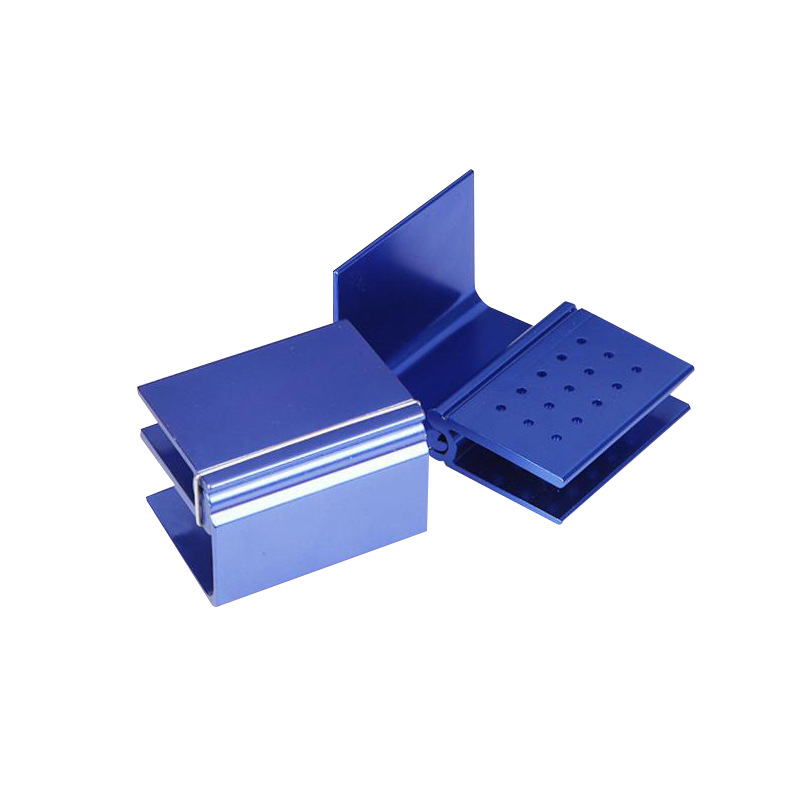
1. Basic Printing Preparation Logic
To clearly understand how does print work, it is necessary to start with standard pre-print preparation for industrial use.
1.1 Digital Model Processing
All formal print tasks start with complete 3D models. Designers create or optimize drawings for plastic mold cavities, hardware jigs and special-shaped accessories. The models are converted into printable files and sliced into thin layers to guide the printer’s moving path.
1.2 Material and Device Setup
According to sampling demands, workers load engineering resin or high-strength filament materials. They calibrate the printing platform and adjust temperature and speed parameters to ensure stable printing for precise industrial samples.

2. Core Principle of How Print Runs
The core operation process fully explains how does print work in manufacturing workshops.
2.1 Precision Material Molding
During printing, the equipment melts or cures materials layer by layer. The nozzle or optical module accurately follows the sliced path, depositing materials to form flat and solid single layers. This step guarantees the basic outline of mold prototypes and hardware parts.
2.2 Layer-by-Layer Superposition
After one layer is solidified, the printer continues stacking new layers on top. Each layer closely combines with the previous structure, gradually building up complete three-dimensional products. This additive method easily forms complex shapes that traditional machining cannot achieve.

3. Post-Print Completion and Application
The final finishing stage perfects the whole process of how does print work for industrial sampling.
3.1 Sample Trimming and Polishing
After printing, workers remove support structures and polish sample surfaces. This process eliminates burrs and uneven layers, making mold and hardware samples meet assembly and testing standards.
3.2 Structural and Dimensional Inspection
Finished samples are strictly checked for size accuracy and structural rationality. Qualified prototypes can be used for mold demolding tests, hardware fitting verification and customer sample confirmation.
In summary, knowing how does print work helps hardware and plastic mold factories make full use of rapid printing technology. It greatly shortens product iteration cycles, reduces trial production costs and improves overall industrial manufacturing efficiency.
Who Was the First Inventor of 3D Printing for Industrial Rapid Sampling
How Does 3D Printer Work for Mold and Hardware Rapid Sampling
Related Article

Fast sampling is the fastest way to win business in the hardware machining and plastic mold industries. Customers want a working sample in days, and a 3D printer delivers it, but only when you know how to print in 3d correctly.
how to print in 3d

Fast sampling is the fastest way to win business in the hardware machining and plastic mold industries. Customers often send an STL file and expect a working sample in days.
how to print an stl file

