
How Does 3D Technology Work for Industrial Rapid Sampling
Author: SZTC
2026-05-11


Samuel Song Your service representative
Specializing in zinc-aluminum-magnesium alloy die-casting processing, CNC milling, CNC turning, 3D printing, injection molding and sheet metal processing. Manufacturing services.
-----------------------------------------------------------------------------------------------------------------------------------------------------------------------------------------------------------------------------------------------------------------------------------------------------------------------------------------------
In the hardware processing and plastic mold industries, 3D technology has revolutionized traditional sample production. Many manufacturers wonder how does 3D technology work to create accurate prototypes within a short time. This article explains its core mechanism and practical value for fast sampling in mold and hardware manufacturing.
1. Core Mechanism of 3D Technology
To clearly figure out how does 3D technology work, it is necessary to understand its basic technological logic.
1.1 Digital Three-Dimensional Modeling
3D technology starts with precise digital modeling. Engineers create detailed CAD drawings for plastic mold cavities, hardware accessories and custom fixtures. These virtual models record every size and structural parameter for later physical production.
1.2 Layer-Based Material Forming
Different from subtractive machining, modern 3D technology adopts additive manufacturing. It stacks materials layer by layer, which is the key answer to how does 3D technology work to form complex industrial parts.
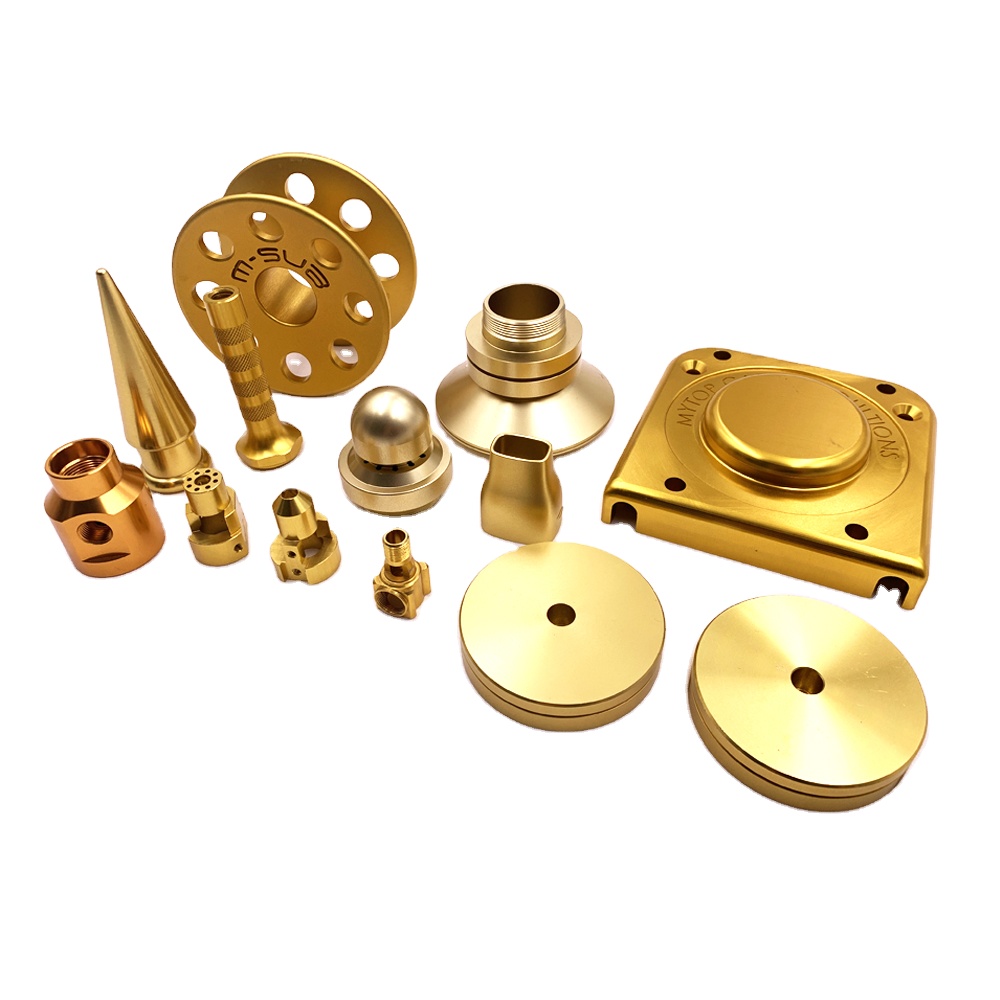
2. Working Procedures for Industrial Sampling
The complete workflow further demonstrateshow does 3D technology work in real factory production.
2.1 Model Optimization and Slicing
Before production, raw 3D files are optimized to remove structural defects. The slicing software divides the model into ultra-thin layers and generates moving paths for printers, adapting to resin, plastic and metal raw materials.
2.2 Intelligent Fabrication and Molding
According to programmed paths, industrial equipment solidifies or melts materials continuously. Whether for intricate mold inserts or irregular hardware parts, 3D technology maintains stable precision during the whole forming process.

3. Industrial Strengths for Mold and Hardware
After mastering how does 3D technology work, factories can maximize its advantages for rapid sampling.
3.1 Low-Cost Mold Verification
Without expensive steel mold opening, manufacturers can produce trial plastic samples within one day. It effectively reduces modification risks and cuts down early research costs.
3.2 Flexible Hardware Customization
3D technology supports customized metal hardware and processing jigs. It simplifies the production process and meets diverse small-batch sampling demands for mechanical components.
In conclusion, how does 3D technology work depends on digital modeling and layered manufacturing. For hardware and plastic mold industries, it optimizes sampling efficiency, lowers production thresholds and accelerates product iteration.

How Does a 3D Printer Know What to Print for Industrial Sampling
How Does 3D Printing Work for Hardware & Plastic Mold Fast Sampling
Related Article

Fast sampling is the fastest way to win business in the hardware machining and plastic mold industries. Customers want a working sample in days, and a 3D printer delivers it, but only when you know how to print in 3d correctly.
how to print in 3d

Fast sampling is the fastest way to win business in the hardware machining and plastic mold industries. Customers often send an STL file and expect a working sample in days.
how to print an stl file

