
How Do You Use a 3D Printer? A Guide for Hardware & Plastic Mold Fast Sampling
Author: SZTC
2026-04-21


Samuel Song Your service representative
Specializing in zinc-aluminum-magnesium alloy die-casting processing, CNC milling, CNC turning, 3D printing, injection molding and sheet metal processing. Manufacturing services.
-----------------------------------------------------------------------------------------------------------------------------------------------------------------------------------------------------------------------------------------------------------------------------------------------------------------------------------------------
For professionals in hardware processing and plastic mold industries, 3D printers are indispensable for fast sampling—but many wonder, how do you use a 3D printer to create precise, functional prototypes efficiently? This step-by-step guide breaks down the process, tailored to industrial needs, ensuring you can leverage 3D printing for quick design validation and shortened lead times.
1. Preparations Before Using a 3D Printer
Before answering how do you use a 3D printer, proper preparation is key to avoiding errors and ensuring fast, high-quality results—critical for hardware and mold sampling.
1.1 Prepare the 3D Model
Create a 3D CAD model using software like SolidWorks or Fusion 360, tailored to your part (metal brackets for hardware, mold inserts for plastic molds). Export it in STL format, the standard for 3D printing, and optimize it for additive manufacturing (e.g., adjust wall thickness).
1.2 Select Materials and Printer Settings
Choose materials matching your industry: metal powders (17-4PH stainless steel) for hardware, high-temp resins for mold parts. Set layer height (0.03–0.2mm) and print speed—faster settings for urgent samples, finer layers for precision.
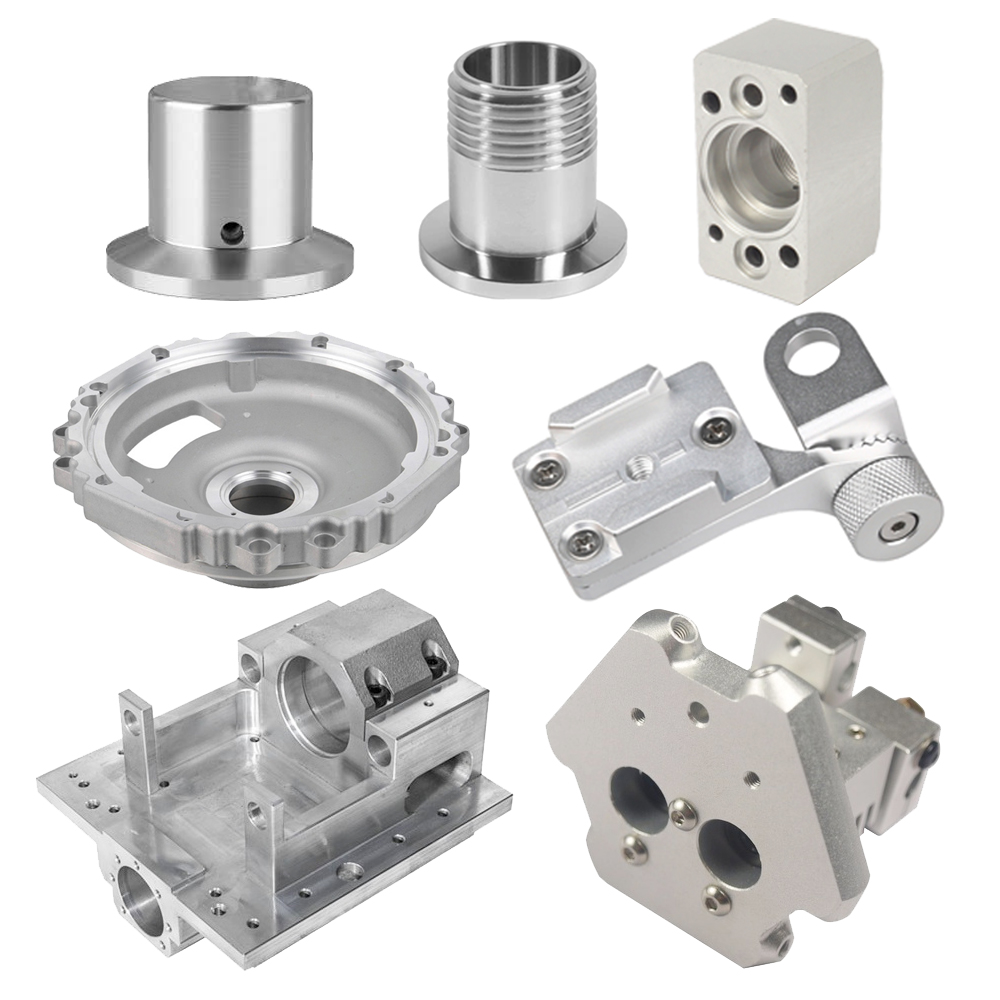
2. Step-by-Step: How Do You Use a 3D Printer for Industrial Sampling
Once prepared, follow these core steps to use a 3D printer, whether for hardware or plastic mold samples, ensuring efficiency and quality.
2.1 Set Up the Printer
Calibrate the printer bed to ensure flatness (critical for layer adhesion). Load the selected material—metal powder for SLM printers, resin for SLA printers, or plastic filament for FDM printers—and preheat the bed if needed.
2.2 Slice the Model and Start Printing
Import the STL file into slicing software (Cura, GrabCAD Print), adjust settings (support structures for complex parts), and send the sliced file to the printer. Start the print and monitor the first few layers to avoid misalignment.
2.3 Post-Processing the Printed Part
After printing, remove support structures. For hardware: heat-treat metal parts to enhance strength. For mold parts: sand and polish resin inserts to meet injection molding standards. This step ensures the sample is functional and ready for testing.

3. Industry-Specific Tips for Using a 3D Printer
Knowing how do you use a 3D printer also means adapting the process to your industry’s unique needs for fast sampling.
3.1 For Hardware Processing
Use SLM/DMLS printers for metal prototypes; ensure proper laser calibration to avoid porosity. Post-heat treatment is essential to meet industrial hardness standards for functional testing.
3.2 For Plastic Mold Industry
Use SLA printers for high-precision mold inserts; choose UV-curable, high-temp resins to withstand injection molding cycles. Minimize support structures to reduce post-processing time.
Final Note: Mastering how do you use a 3D printer streamlines fast sampling for hardware and plastic mold industries. By following these steps and industry tips, you can turn digital designs into test-ready parts quickly and cost-effectively.

How Does 3D Printing Work for Hardware & Plastic Mold Fast Sampling
How Do I Get Something 3D Printed for Hardware & Plastic Mold Fast Sampling
Related Article

Fast sampling is the fastest way to win business in the hardware machining and plastic mold industries. Customers want a working sample in days, and a 3D printer delivers it, but only when you know how to print in 3d correctly.
how to print in 3d

Fast sampling is the fastest way to win business in the hardware machining and plastic mold industries. Customers often send an STL file and expect a working sample in days.
how to print an stl file

