
How Do You Shape Metal? A Beginner’s Guide to Metal Shaping Techniques
Author: SZTC
2026-03-05


Samuel Song Your service representative
Specializing in zinc-aluminum-magnesium alloy die-casting processing, CNC milling, CNC turning, 3D printing, injection molding and sheet metal processing. Manufacturing services.
-----------------------------------------------------------------------------------------------------------------------------------------------------------------------------------------------------------------------------------------------------------------------------------------------------------------------------------------------
Metal is one of the most versatile materials used in manufacturing, construction, and even DIY projects—but its strength and durability mean shaping it requires specific techniques, tools, and a bit of know-how. If you’ve ever wondered, “How do you shape metal?” you’re not alone. Whether you’re looking to craft a small metal art piece, repair a metal component, or simply understand the process behind everyday metal products, this blog breaks down the most common metal shaping methods, step-by-step, and explains when to use each one. Let’s dive into the world of metal shaping and demystify how this essential process works.
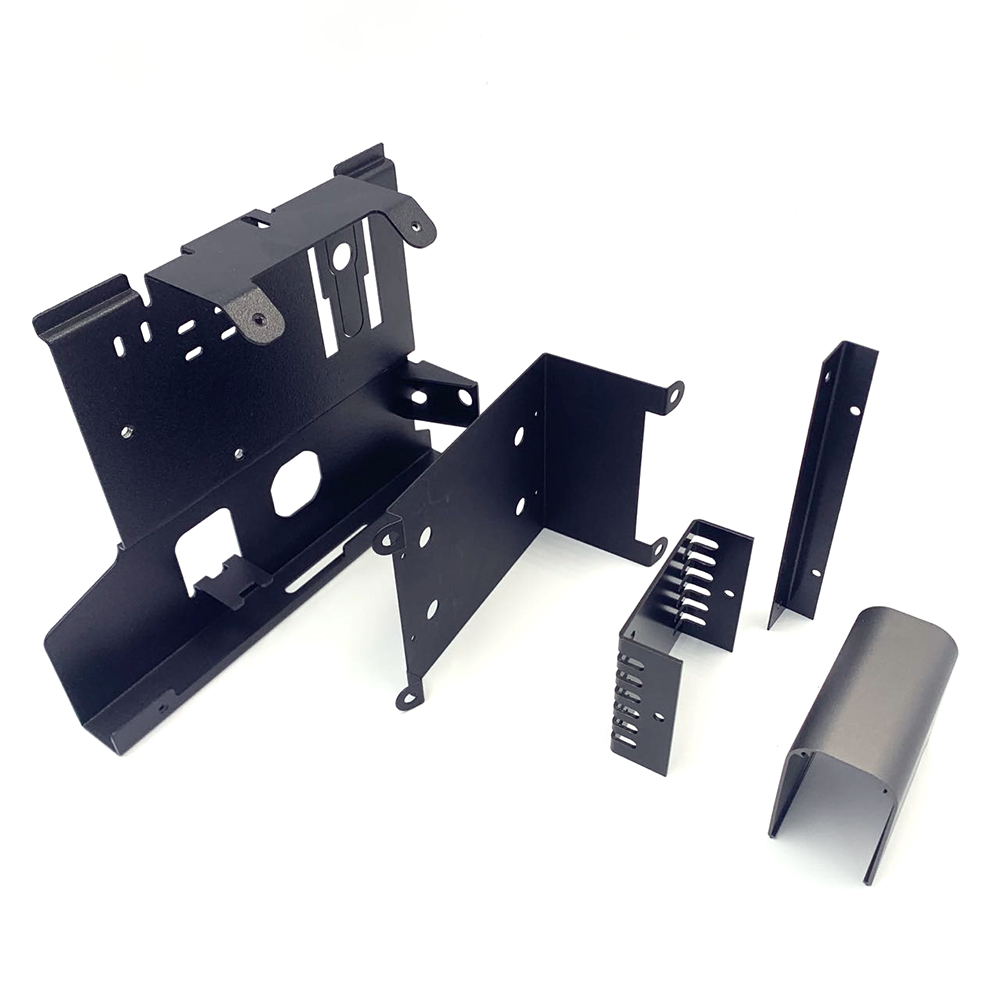
1. The Basics: Preparing to Shape Metal
1.1 Understanding Metal Properties
Before you start shaping metal, it’s crucial to understand its properties—because different metals behave differently under pressure, heat, or force. For example, soft metals like aluminum and copper are easier to bend and shape by hand or with basic tools, while harder metals like steel or iron require more force, heat, or specialized equipment. Ductility (how well a metal can be stretched without breaking) and malleability (how well it can be hammered or pressed into shape) are two key traits that determine which shaping technique you’ll use. Knowing your metal’s properties ensures you choose the right method and avoid damaging the material.
1.2 Essential Tools for Metal Shaping
You don’t need a full workshop to start shaping metal, but having a few basic tools will make the process easier and safer. Common tools include: a hammer (ball-peen, claw, or rubber mallet), pliers (locking pliers, needle-nose pliers), a bending brake (for precise bends), a hacksaw or angle grinder (for cutting metal), and safety gear (gloves, goggles, and ear protection). For more advanced projects, you might use a press brake, welding machine, or heat torch. Having the right tools not only makes shaping easier but also helps you achieve cleaner, more accurate results.
2. Common Techniques: How Do You Shape Metal?
2.1 Bending: The Simplest Shaping Method
Bending is one of the most basic and widely used metal shaping techniques—and it’s exactly what it sounds like: using force to bend metal into a desired angle or curve. For small, thin pieces of metal (like aluminum sheet or copper wire), you can bend by hand or with pliers. For thicker or larger pieces, a bending brake is ideal—it clamps the metal in place and allows you to bend it at a precise angle (from 0 to 180 degrees). When bending, it’s important to avoid over-bending, which can cause the metal to crack. You can also use a rubber mallet to gently shape curves without leaving dents.
2.2 Hammering and Forming: Shaping with Impact
Hammering (also called forging) uses repeated impact to shape metal into a desired form. This technique is often used for thicker metals or when creating custom shapes (like metal brackets, art pieces, or tool handles). To hammer metal, place it on a hard surface (like an anvil or a heavy steel block) and use a ball-peen hammer to tap and shape it. For more complex shapes, you can use dies or forms—hardened metal shapes that you hammer the metal around to achieve a specific contour. Hammering works best on malleable metals, and it’s important to keep the metal cool (unless you’re using hot forging, which involves heating the metal first).
2.3 Cutting and Trimming: Shaping by Removing Material
Sometimes, shaping metal means removing excess material to get the right size or shape. Cutting is a key step in many metal shaping projects, and there are several ways to do it. For thin metal sheets, a hacksaw or tin snips work well. For thicker metal, an angle grinder or plasma cutter is more efficient. After cutting, you’ll need to trim and smooth the edges with a file or sandpaper to remove burrs (sharp, rough edges) and ensure the shape is precise. Cutting is often the first step in shaping metal, as it allows you to start with a piece that’s the right size for your project.
2.4 Heating and Annealing: Making Metal Easier to Shape
For harder metals (like steel) or complex shapes, heating the metal can make it more malleable and easier to shape. This process is called annealing—heating the metal to a specific temperature (different for each metal) and then letting it cool slowly. Annealing reduces the metal’s hardness and increases its ductility, so it can be bent, hammered, or formed without cracking. For example, if you’re shaping a steel bracket, annealing it first will make it easier to bend into the desired shape. A propane torch is a common tool for heating small metal pieces, but for larger projects, you might need a furnace.

3. Practical Tips and Applications
3.1 Safety First: Key Precautions
Shaping metal can be dangerous if you don’t take the right precautions. Always wear safety goggles to protect your eyes from flying metal fragments, gloves to prevent cuts and burns, and ear protection if you’re using power tools (like angle grinders or hammers). Never heat metal near flammable materials, and always work in a well-ventilated area to avoid breathing in fumes. If you’re using power tools, make sure you read the instructions carefully and use them correctly to avoid injury.
3.2 Common Applications of Metal Shaping
Metal shaping is used in almost every industry, from construction and automotive to art and DIY. For example, in construction, metal is shaped into beams, brackets, and pipes to build buildings and bridges. In automotive repair, metal is shaped to fix dents or replace damaged parts. DIY enthusiasts use metal shaping to create custom furniture, art, or garden decor. Even everyday items—like metal spoons, keys, and jewelry—are shaped using the techniques we’ve covered.
3.3 Tips for Beginners
If you’re new to metal shaping, start small. Practice with soft metals (like aluminum or copper) and basic tools before moving on to harder metals and more complex shapes. Take your time—rushing can lead to mistakes (like over-bending or cracking the metal). Experiment with different techniques to see which one works best for your project, and don’t be afraid to make mistakes—they’re part of the learning process. Finally, always clean your tools after use to keep them in good condition and ensure they work properly next time.
In summary, shaping metal involves understanding the material’s properties, using the right tools, and choosing the correct technique—whether it’s bending, hammering, cutting, or heating. By following these steps and taking safety precautions, you can shape metal into almost any form, from simple brackets to custom art pieces. Now that you know how to shape metal, it’s time to grab your tools and start creating!
How to Bend A Metal: A Step-by-Step Guide for Beginners
What is Bending Moment? A Comprehensive Guide for Beginners
Related Article

Fast sampling is the fastest way to win business in the hardware machining and plastic mold industries. Customers want a working sample in days, and a 3D printer delivers it, but only when you know how to print in 3d correctly.
how to print in 3d

Fast sampling is the fastest way to win business in the hardware machining and plastic mold industries. Customers often send an STL file and expect a working sample in days.
how to print an stl file

